
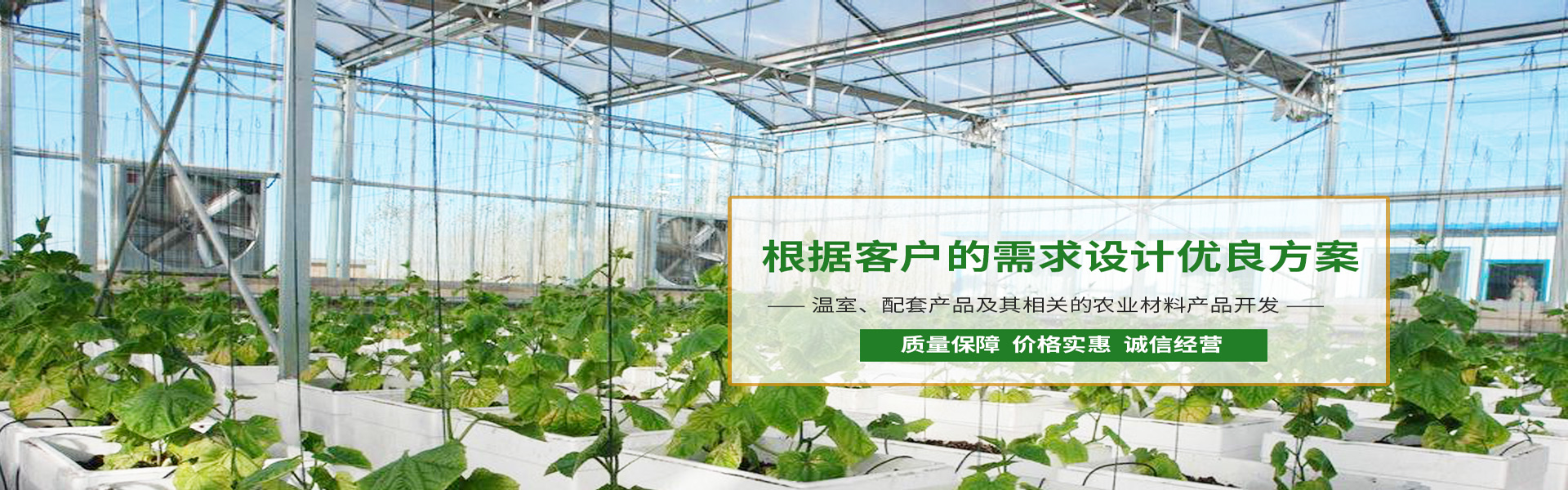
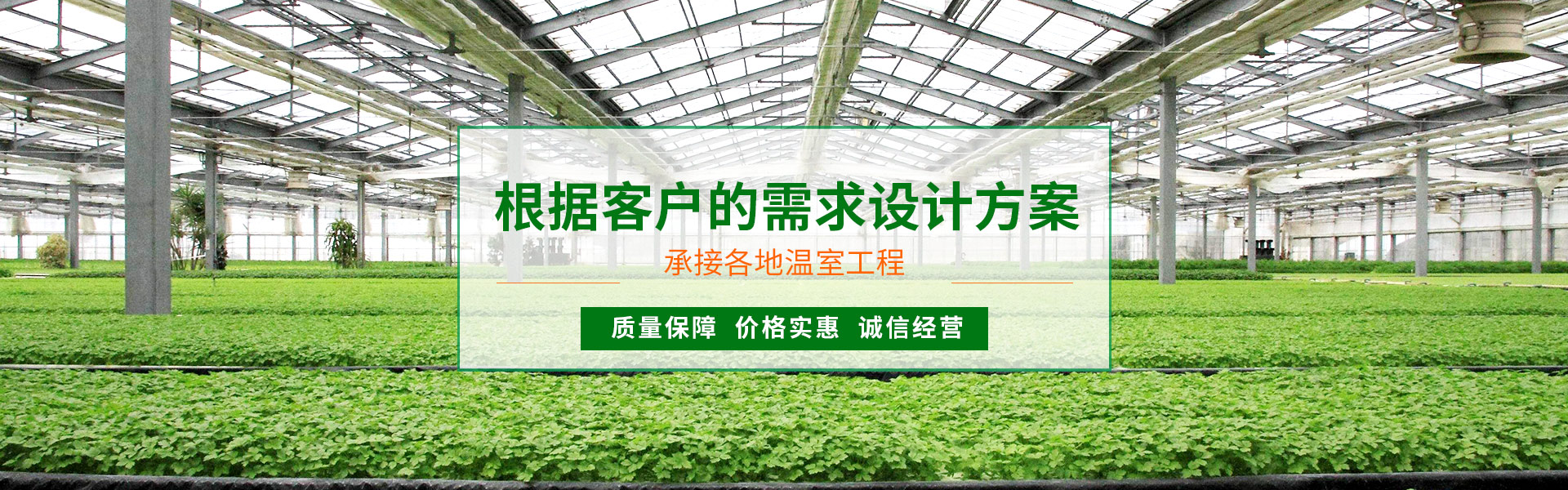

Greenhouse construction must be optimized based on local climate and crop content to avoid a series of problems and difficulties. The principle of "suiting the local conditions" should always be adhered to in greenhouse construction. In areas with shallow soil layers or low groundwater levels, it is advisable to avoid constructing greenhouses.
Important Considerations for Greenhouse Construction
1. Excellent light transmission effect
We should clearly understand that a greenhouse itself is a type of lighting structure. For the light transmittance of a standard greenhouse, the basic evaluation criterion is often the light transmittance it displays.
Therefore, when constructing greenhouses, good lighting conditions are essential. Light transmission rate refers to the percentage of light that can effectively pass through the indoor and outdoor environment.
From a scientific perspective, the primary external factors affecting the greenhouse's light transmittance rate include the transparency of the covering material and the shadow ratio of the stock prices.
Moreover, the transmittance varies with the angle of solar radiation. In other words, the direct factor affecting the normal growth and development of crops and the selection of species is the light transmission rate.
2. Excellent greenhouse insulation performance
To enhance the efficiency of greenhouses, the direct approach often involves appropriately improving the insulation properties of the greenhouse itself, thereby contributing to reduced energy consumption.
Insulation efficiency is a measure of greenhouse insulation performance. In comparison, the insulation efficiency of a greenhouse is actually the ratio of the area covered by low thermal resistance transparent materials to the area covered by high thermal resistance maintenance structures. This result also indicates that the higher the insulation rate, the better the thermal insulation performance of the greenhouse.
3. Durability of Greenhouses
The durability of greenhouses is also a crucial part of the construction process. Normally, the longevity of greenhouse structures after construction is often affected by external factors, such as the load-bearing capacity of the main structure and the aging resistance of the materials used.
In addition to inherent factors, the durability of materials is also reflected in the fact that their light transmission rate will continuously decline over time, and the degree of attenuation will directly impact the lifespan of the material within a certain range.
One of the key factors affecting the lifespan of greenhouses is the proper anti-corrosion treatment of the building materials used on the greenhouse surface, due to long-term exposure to high temperatures and humid environments.


通过中商114认证