

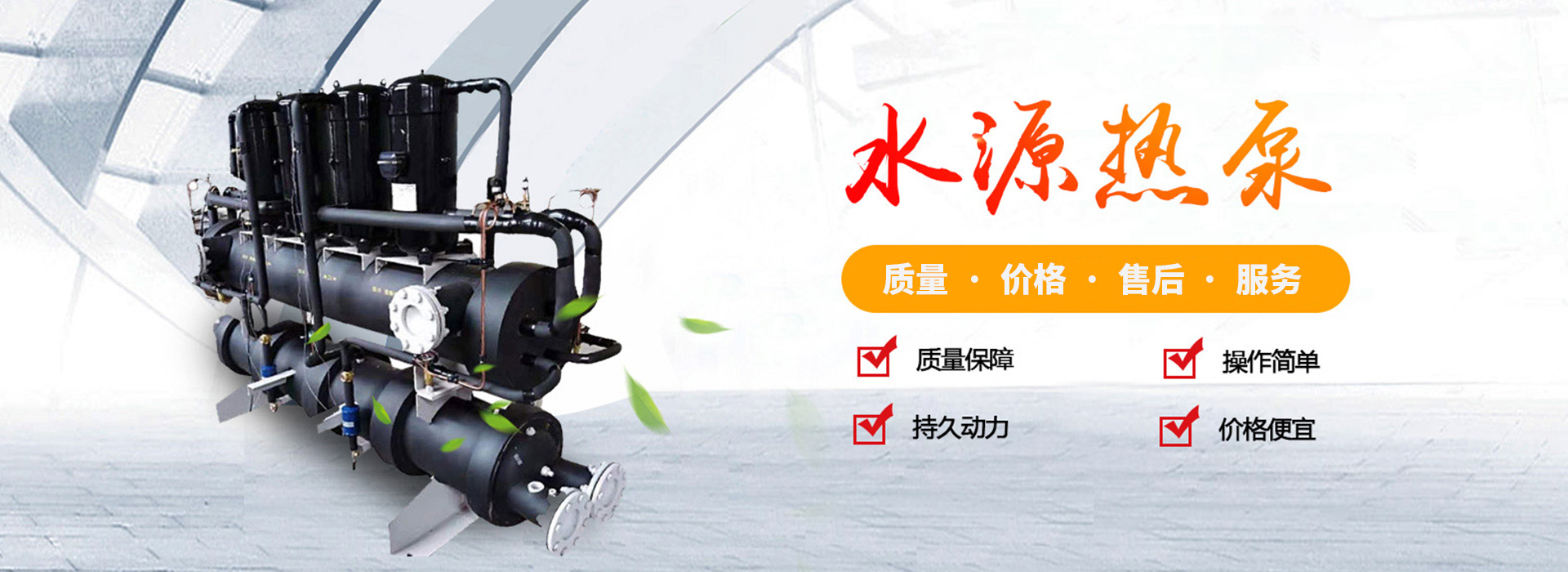
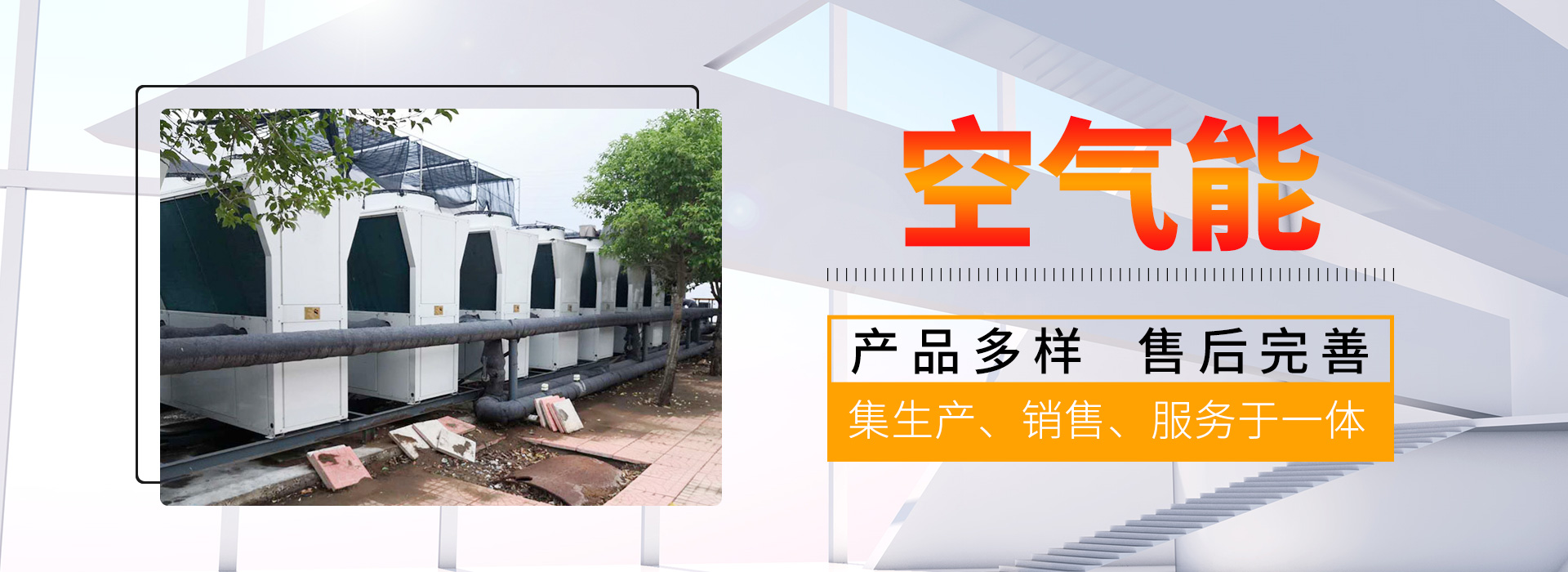
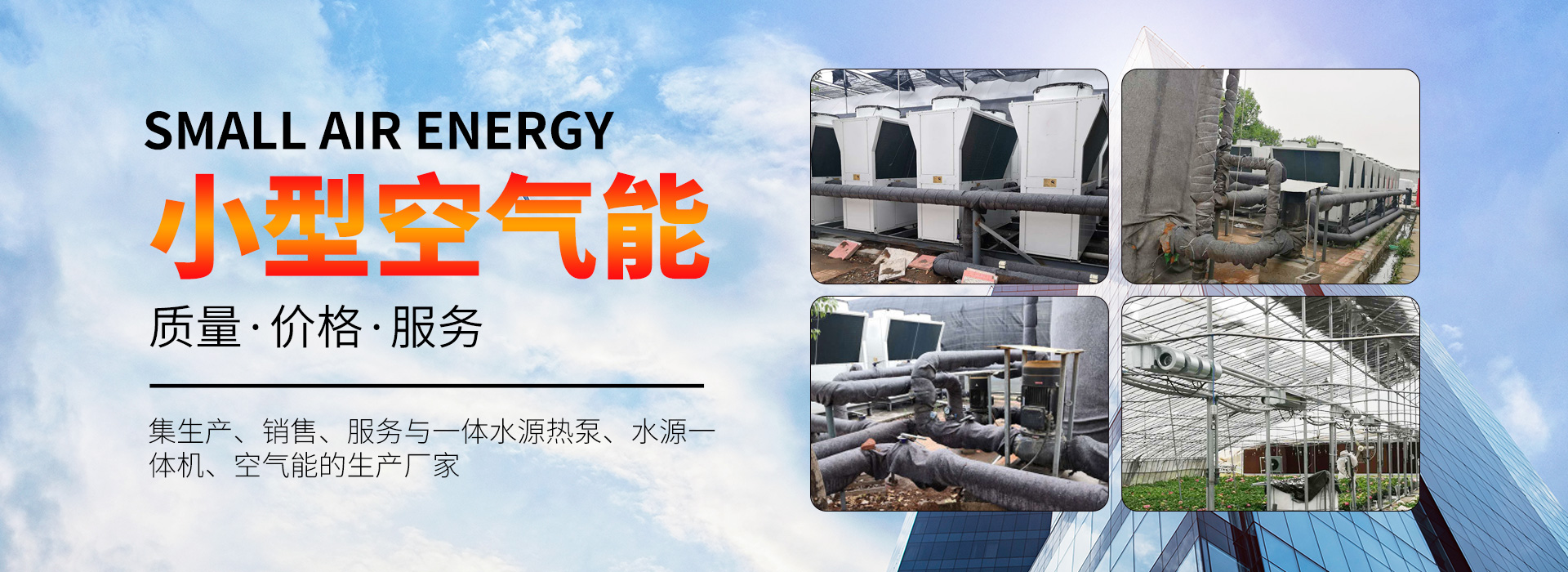

The multi-functional water source heat pump can be used for heating, cooling, and even supplying domestic hot water. However, many users are unaware that the water quality does not change after the exchange of heat. Today, let's take a closer look at this.

1. The application of water source heat pump units requires prior understanding of the local water source conditions, thorough investigation of the water source status, and confirmation of water usage plans. If groundwater is used, consideration must be given to the issue of water recharge, and recharge methods should be tailored to the local geological conditions.
2. Planning for the Integrated Water Source Heat Pump System. The comprehensive planning of the Integrated Water Source Heat Pump System encompasses policy, main unit design and production, system planning, and operational management. Assuming that the Integrated Water Source Heat Pump units can provide more power with less water flow, improper system planning for energy-consuming equipment such as pumps can also reduce system efficiency.
3. By utilizing a heating system that eliminates coal and other boiler house systems, there is no combustion process, thus avoiding smoke pollution. No waste residues, emissions, or soot are produced, leading to a cleaner and more beautiful environment. Therefore, the water source heat pump integrated unit is a clean heating method.
In fact, after passing through the water source heat pump unit, the groundwater merely exchanges heat, with no change in water quality, thus posing no threat to the original water source pollution. Moreover, the equipment occupies minimal space, saving on the required equipment area and conserving land resources.
