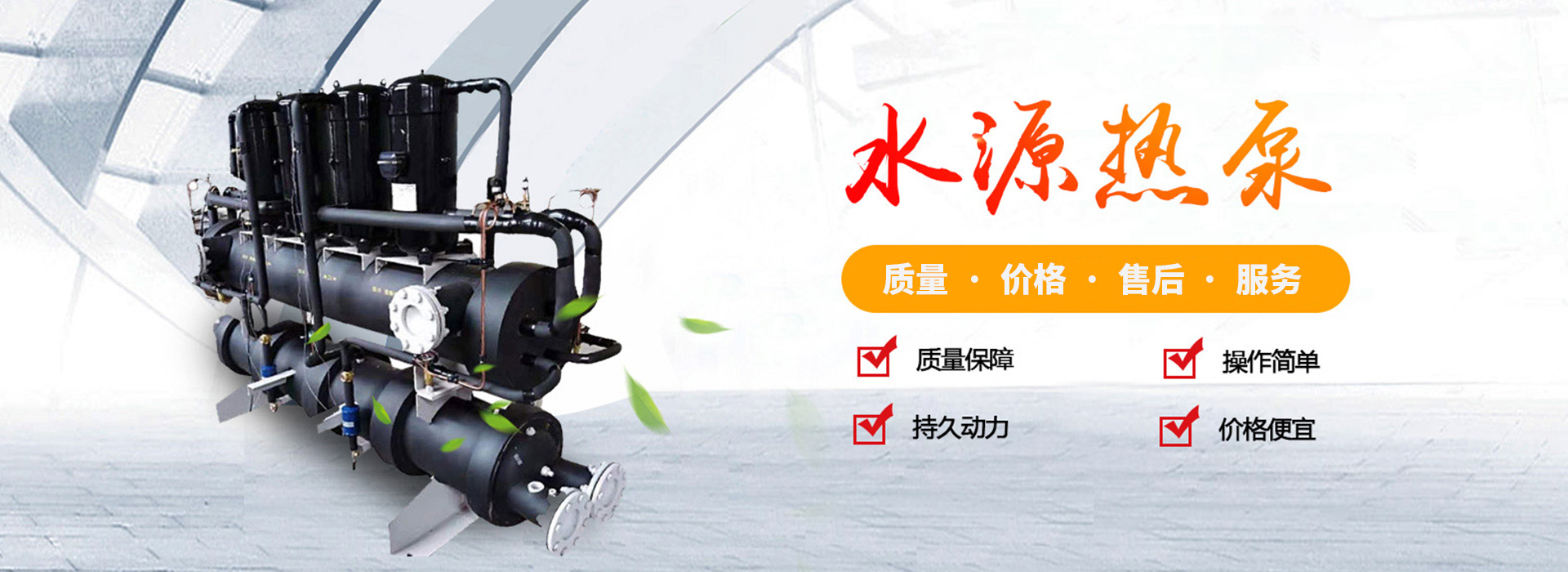
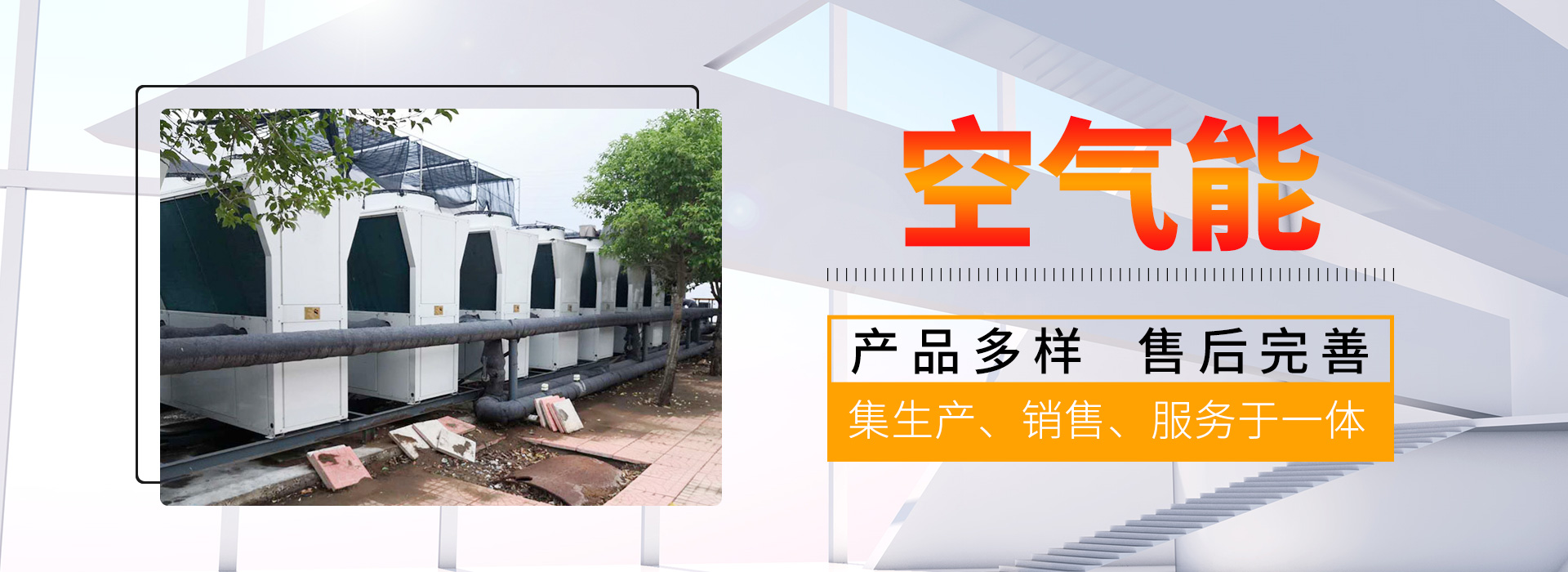
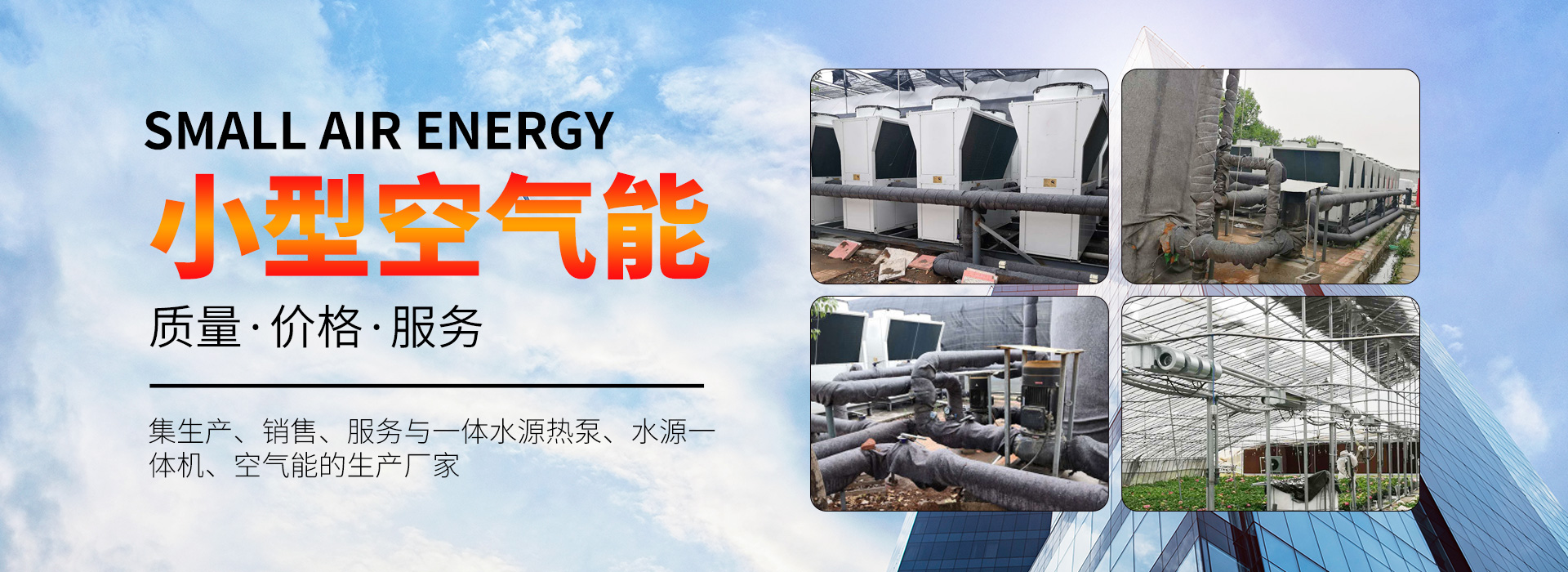
Water source heat pump units have specific requirements for water quality. If the water quality fails to meet these standards, it can pose hazards to valves, the main unit, and its accessories, and the risks are even greater for plate-type heat exchangers commonly used by many heat pump manufacturers. This can impact the system's operation, but measures such as installing sediment filters, electronic descaling devices, or adding multiple layers of filtration in the water intake well to reduce the diameter of sand and dust particles in the well water can typically mitigate the requirement for high water quality.

Generally, water quality is not a major factor affecting the application of water source heat pump units. Water source heat pumps consist of heat pumps and water tanks, featuring a circulating pump between the heat pump and the water tank; the heat pump is connected to the water tank via connecting pipes. The heat pump is equipped with a small water tank, which contains a coil. The water tank is fitted with temperature probes and a water level indicator, and is connected to an inlet pipe equipped with an electromagnetic valve; the heat pump, water level indicator, and electromagnetic valve are connected to a controller.
The residential water source heat pump is activated by the controller to start the main heat pump unit, which also initiates the circulation pump. The heating gas passes through the coils to heat the water in the small water tank. The heated water then enters the tank via connecting pipes, forming a circulation system. Once the water temperature in the tank reaches the set value, the heat pump main unit stops operating. This practical innovation features a simple structure, easy installation, low operation costs, energy savings, programmable control, and guaranteed use.