

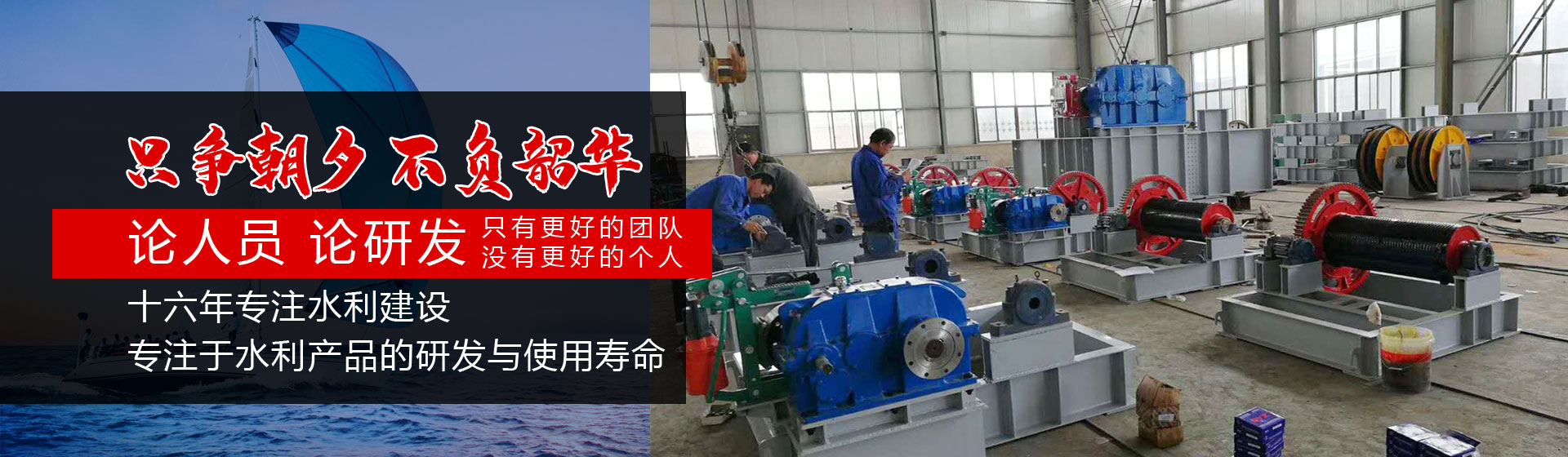
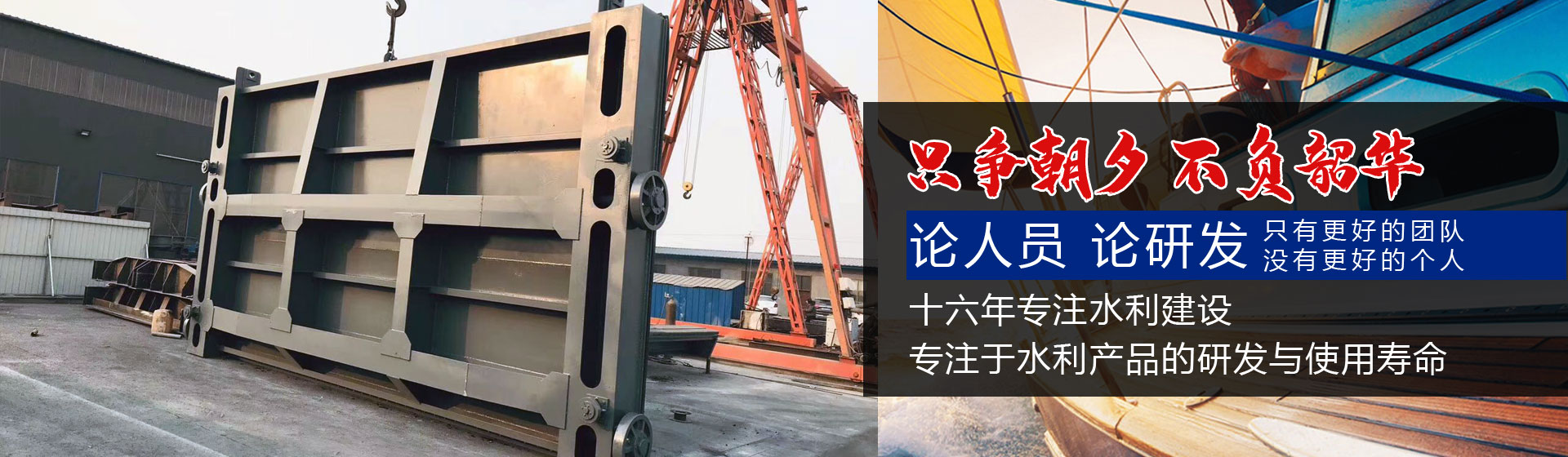

Grate cleaners are typically installed at the beginning of the treatment process or at the inlet of pump stations, serving as a bottleneck. To ensure safety, a backup unit or other methods must be in place to allow for maintenance of the grate without interrupting the water supply. To maintain power equipment, mechanical grates are usually housed in well-ventilated grate rooms. Large and medium-sized grate rooms should be equipped with hoisting equipment for ease of maintenance and the daily removal of grate waste.
The approach to the格栅cleaning machine should maintain a straight pipe section of 5 meters or more, with the water flow velocity within the approach ranging from 0.4 to 0.9 m/s, and the velocity over the格栅bars from 0.6 to 1.0 m/s. The transition between the approach for placing the格栅and the pre-格栅 approach should have an angle of expansion less than 20°. The head loss of water passing through the格栅is generally 0.08 to 0.15 meters, thus, the approach after the格栅is correspondingly reduced by 0.08 to 0.15 meters.
The top of the grate must be equipped with a canopy work channel, which is at least 0.5 meters higher than the highest planned water level in front of the grate. The work platform should be equipped with railings and other safety equipment, as well as flushing equipment. The passageways on both sides of the channels should be no less than 0.7 meters, and the width of the front passageway should not be less than 1.2 meters during manual渣 removal, and not less than 1.5 meters during mechanical渣 removal.
