

Product Details
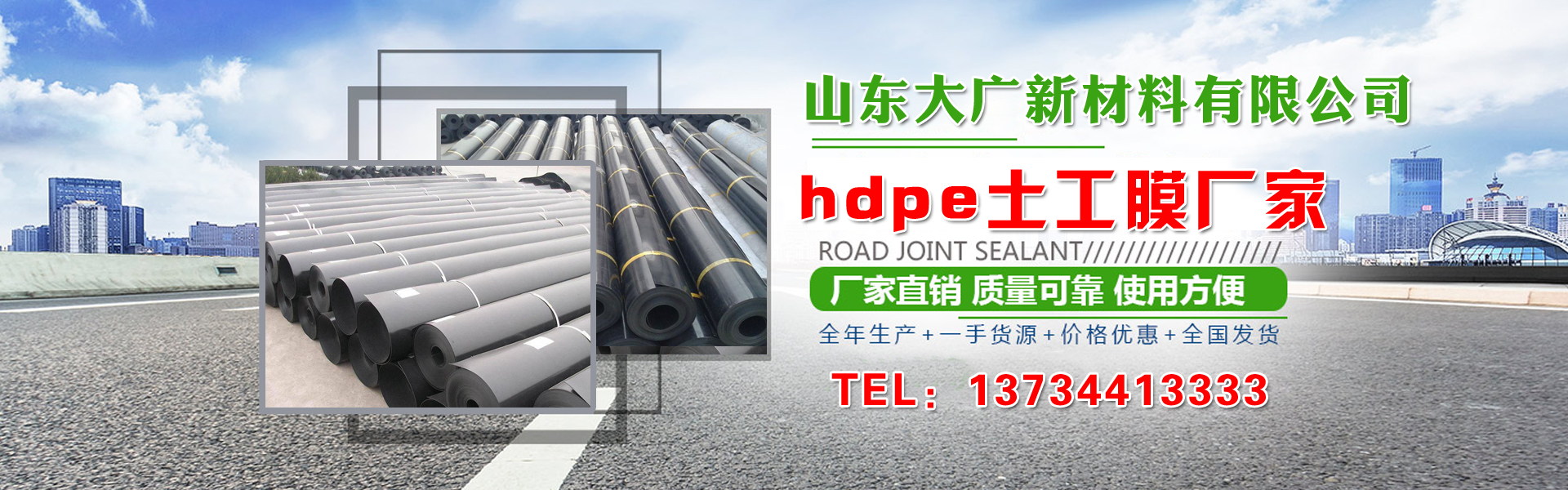
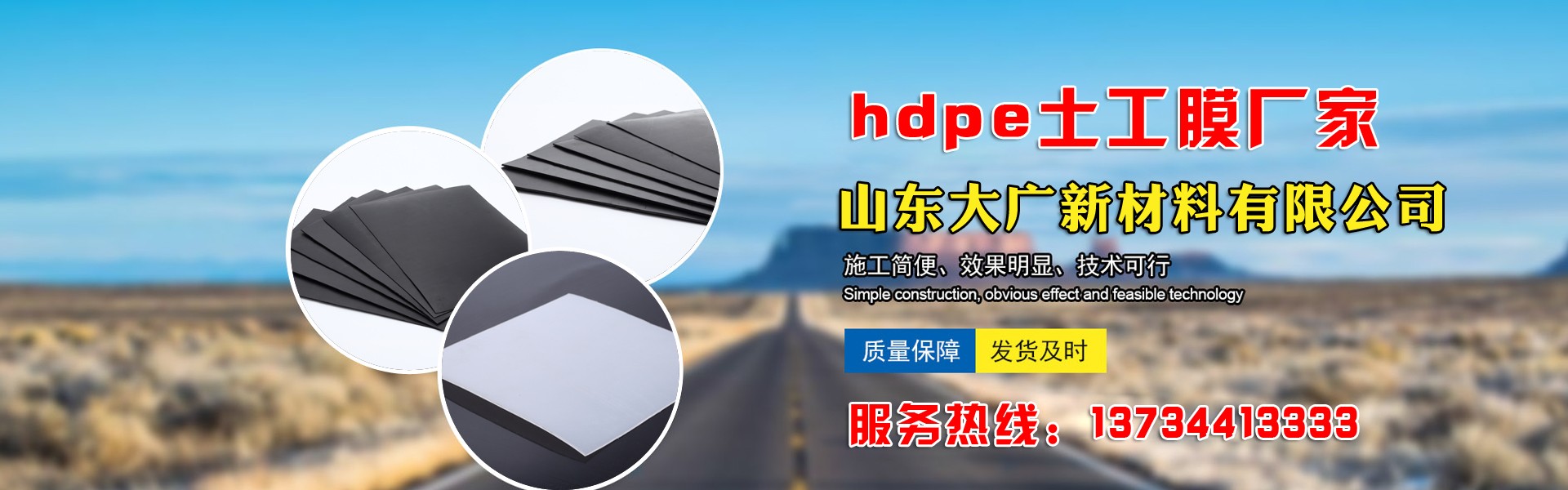
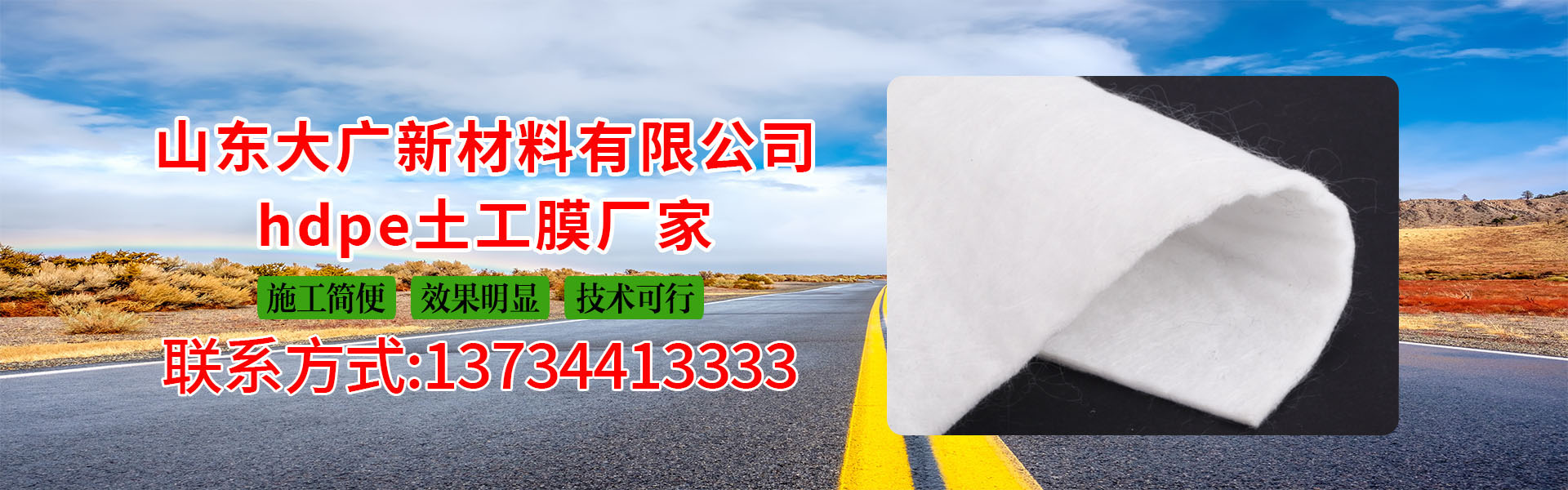
HDPE Geomembrane, Waterproofing Membrane, Geotextile, Waterproof Geotextile, Nonwoven Geotextile


价 格Negotiable
最小起订0 Piece库存0 Piece
 Business Card
Negotiable

Negotiable

Negotiable

Negotiable
HDPE Geomembrane
Negotiable
 Geotextile Grid
Negotiable
Geotextile Grid
Negotiable
 Composite Drainage Mesh
Negotiable
Composite Drainage Mesh
Negotiable
 Glass Fiber Geogrid
Negotiable
Glass Fiber Geogrid
Negotiable
 Polyacrylonitrile fiber
Negotiable
Polyacrylonitrile fiber
Negotiable
 Polypropylene mesh fiber
Negotiable
Polypropylene mesh fiber
Negotiable
 Geotextile Cells
Negotiable
HDPE geomembrane manufacturer
Negotiable
Geotextile Cells
Negotiable
HDPE geomembrane manufacturer
Negotiable
 Unidirectional Plastic Geogrid
Negotiable
Unidirectional Plastic Geogrid
Negotiable
 Geotextile Padding
Negotiable
Geotextile Padding
Negotiable
Erosion Control Mat is a material used for preventing erosion along riverbanks, lake shores, reservoir slopes, etc. It is a woven fabric product that integrates geotextile and mixed grass seed fabrics, all bonded together in a machine. After laying on the embankment slope, the grass seeds germinate, and the robust root systems of the plants firmly bond with the geotextile and slope, forming an integrated structure. This controls hydraulic erosion and soil loss, achieving the purpose of resistance to erosion and high flow velocity tolerance, up to 4m/s for the reinforced vegetation fabric; simultaneously, the growth of plants can achieve a good landscape effect and ecological restoration function; and restore the natural state of rivers and lake shores.
I. Slope Protection Eco Mat Slope Features:
Easily installed, with excellent landscaping results, allows for rapid greening, and offers great value for money.
2. Slope greening completed in one go with minimal maintenance, aesthetically pleasing, ecological, and natural.
3. Construction methods are scientifically structured, with high survival rates of grass species and high greening rates.
4. The engineering investment is minimal; no special tools are required, and the product can be fully constructed manually.
Section II: Slope Erosion Control Mat Installation Matters
1. Ensure the soil conditions are suitable for plant growth; it must not consist of rock, gravel, sand, or clay.
2. Construction will commence during months when the average monthly temperature remains between 10-15°C.
3. After installation, if the construction conditions allow, the soil cover should be approximately 1.5 centimeters thick, which can be organic soil or sand.
4. After construction is completed, do not walk on the vegetation mat to prevent damaging the newly sprouted seedlings.

Phone Consultation