


 通过中商114认证
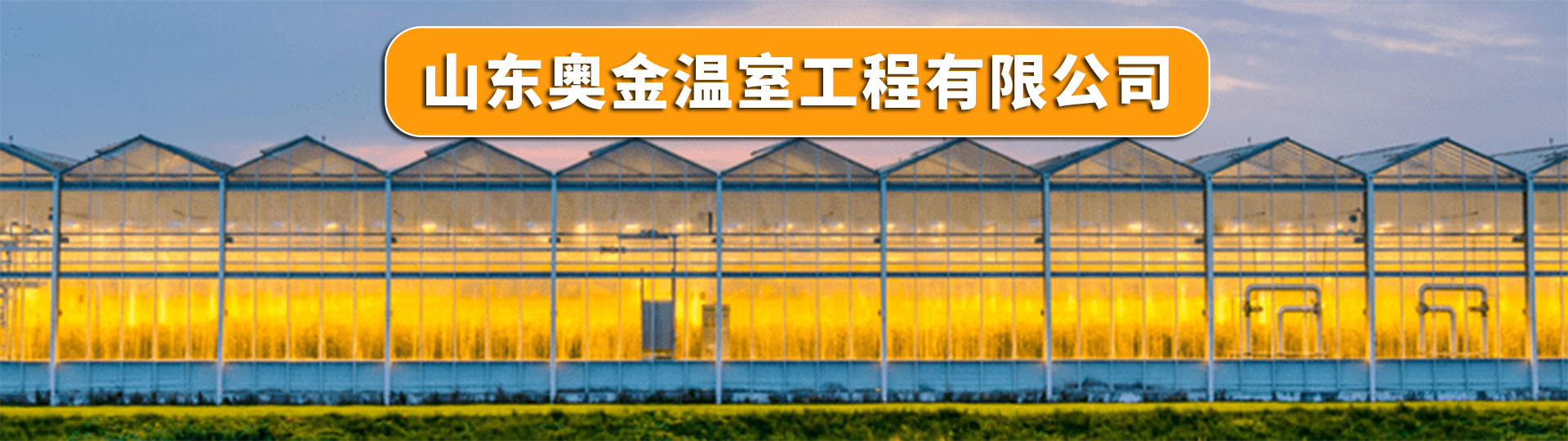
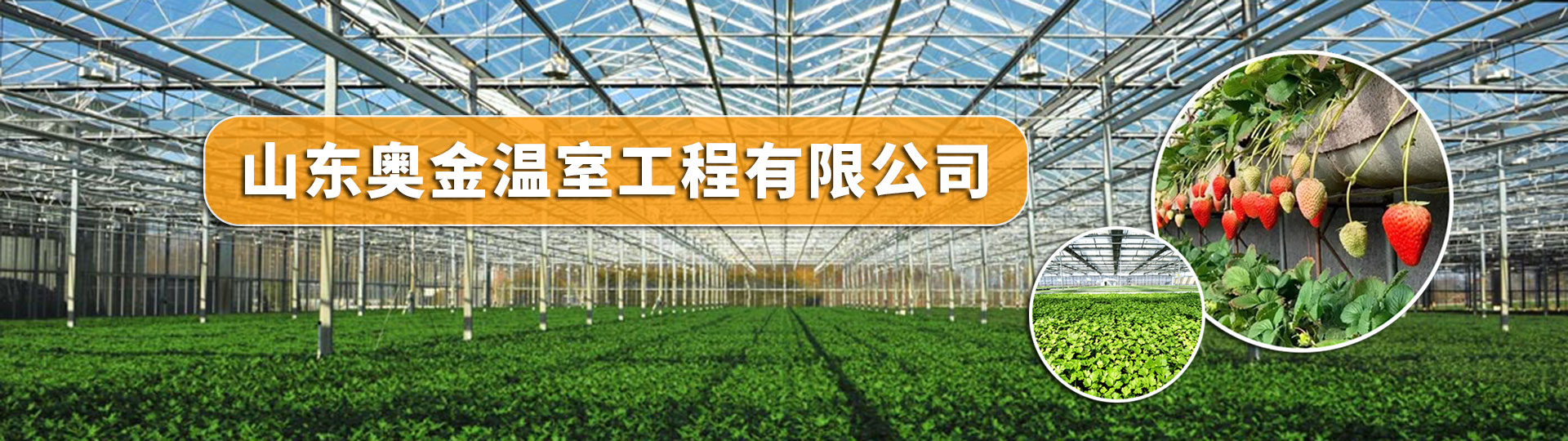
Glass greenhouses have become a popular form of greenhouse in the rapid development of large-scale greenhouse agriculture in recent years. Compared to other greenhouse engineering, they offer advantages such as longer lifespan and stronger applicability.
Durability is the primary consideration for glass greenhouses, which is influenced by factors such as the aging resistance of greenhouse materials and the load-bearing capacity of the greenhouse structure. The durability of the translucent materials is not only affected by their own strength but also by natural elements like rain, snow, and direct sunlight, as well as the light transmission rate.
Insulation performance of glass greenhouses is a major obstacle to energy consumption during winter operation. Improving the greenhouse's insulation and reducing energy consumption are direct means to enhance production efficiency. The thermal insulation ratio is a basic indicator of greenhouse insulation performance. The thermal insulation ratio refers to the ratio of the area covered by greenhouse glazing materials with lower thermal resistance to the area covered by the greenhouse's protective structure with higher thermal resistance, plus the total ground area. A higher thermal insulation ratio indicates better insulation performance in the greenhouse.
