
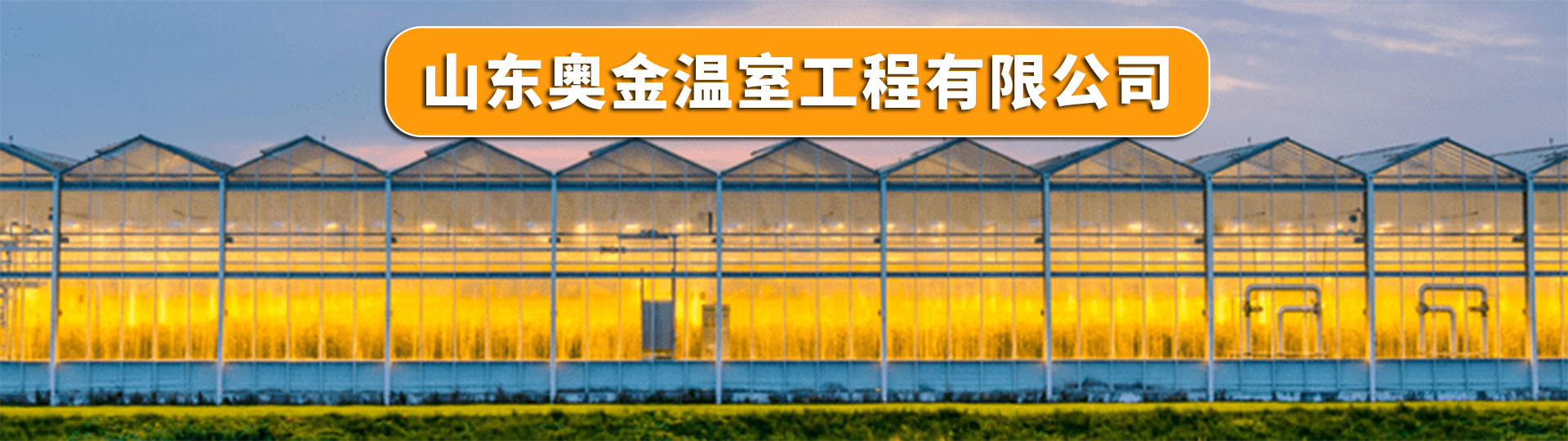
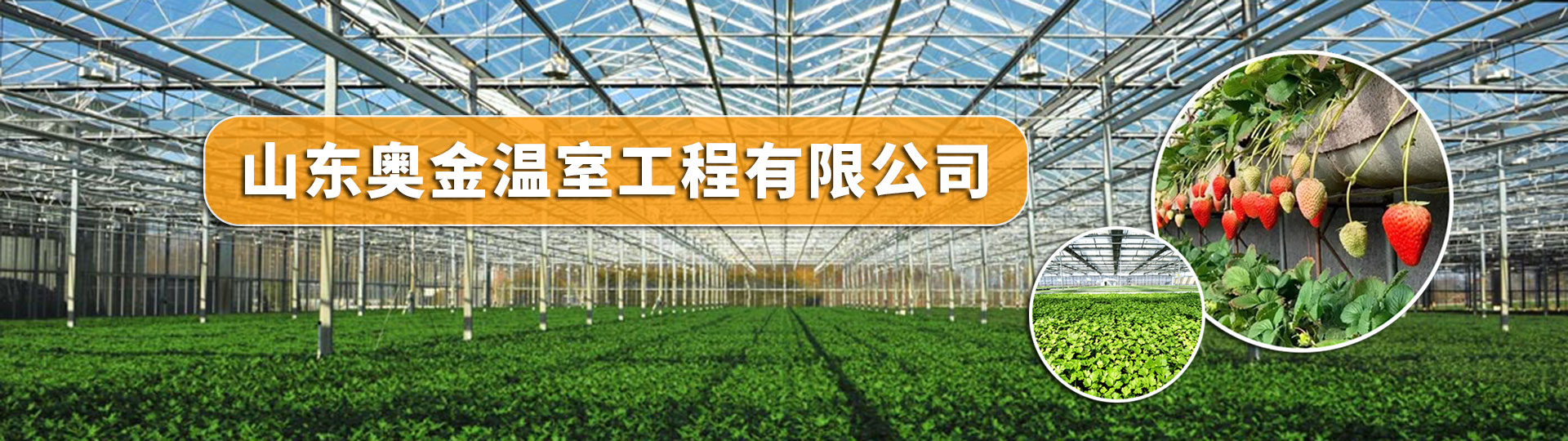

A solar greenhouse is a horticultural facility that does not require heating indoors, relying solely on solar radiation to maintain indoor temperature levels even during cold seasons, to meet the needs of vegetable crops. It enables the supply of off-season fruits and vegetables in cold northern regions. Due to its good lighting, strong heat retention, good insulation, low investment, simple control, and energy-saving features, it is very suitable for widespread use in economically underdeveloped rural areas in our country.
Greenhouses not only derive their light and heat during the day from solar radiation, but also their nighttime heat from the stored energy of the day. The southern slope is covered with insulation blankets at night, while the eastern, western, and northern sides are protected by walls.
The basic structure of solar greenhouses includes: walls, front and rear roofs (rear slope), central columns, foundation stones, wall foundations, frost protection ditches, and translucent covering (insulation). Key structural parameters mainly consist of the greenhouse orientation, span, height, angles of the front and rear roofs, horizontal projection lengths of the walls and rear roofs, frost protection ditch dimensions, and the length of the greenhouse.
Greenhouse Orientation: The direction of the greenhouse's ridge. Solar greenhouses rely solely on the sunny side for light, with the east and west walls and the rear wall being non-transparent. Generally, they are oriented north to south, extending east to west, with the light-facing surface facing true south to maximize light exposure.
2. Greenhouse Span: The distance from the north wall of the greenhouse to the southern transparent corner of the greenhouse foundation. It is currently believed that a span of 6 to 8 meters is ideal for a solar greenhouse.
3. Greenhouse Height: The vertical distance from the ridge of the greenhouse to the ground. Typically ranges from 2.8 to 3.5 meters.
4. Greenhouse Roof Angles: The front roof angle (front slope angle) refers to the angle between the bottom of the greenhouse's front roof and the horizontal plane. It should be between 20.5° to 31.5° or higher during the "Winter Solstice" (the light transmission rate inside the greenhouse). The rear roof angle (rear slope angle) refers to the angle between the greenhouse's rear roof and the horizontal line of the top of the rear wall, ideally 5° to 8° higher than the solar altitude angle at noon on the local winter solstice.
5. Greenhouse Wall and Roof Thickness: The greenhouse walls and back roof serve both structural and thermal insulation functions. The thickness ranges from 0.5 to 1.5 meters, adjusted to local conditions.
6. Rear Roof Horizontal Projection Length: The longer the rear roof, the better the night insulation, but there may be shading effects that impact crop growth. Calculations suggest that for greenhouse heights between 3 to 3.2 meters, the ideal rear roof horizontal projection length is 1.0 to 1.5 meters.
Insulation Ditch Dimensions: The insulation ditch serves to retain heat in winter and insulate against heat in summer, measuring 0.5 to 0.8 meters in depth and 0.3 to 0.5 meters in width, filled with insulating materials such as sawdust, poultry manure, and rice hulls.


通过中商114认证