


 通过中商114认证
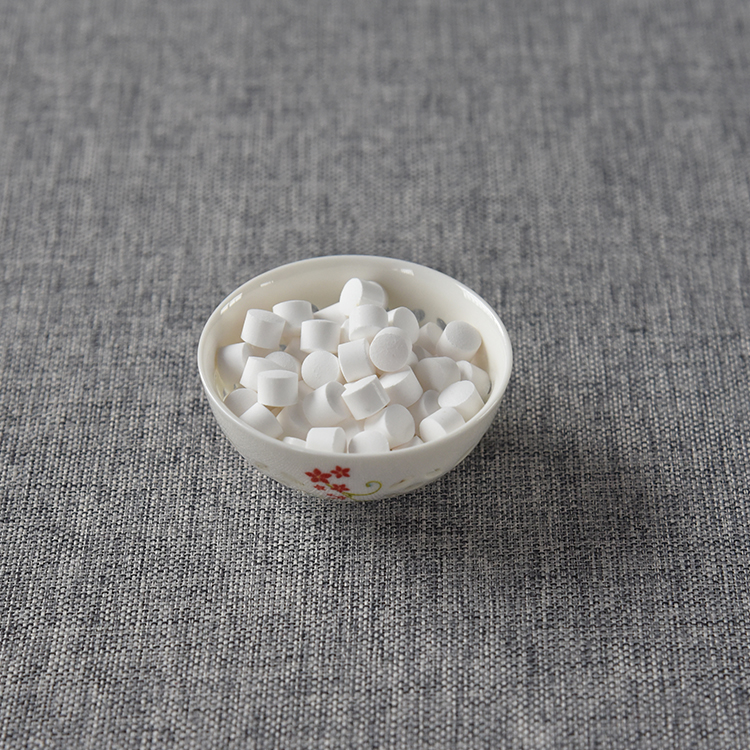
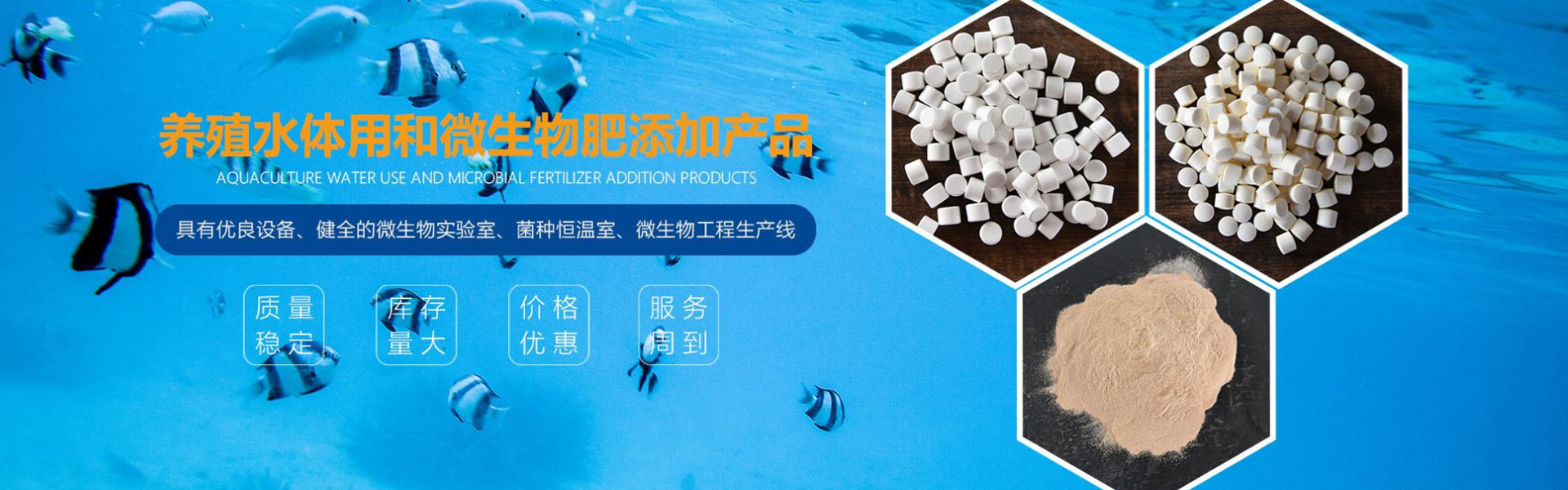
Ozone-based substrates for aquaculture play a crucial role in enhancing the bottom environment of aquaculture waters. Their unique benefits are primarily manifested in the following aspects:
Ozone bottom water treatment can oxidize and decompose organic matter and excreta at the bottom of water bodies by releasing ozone gas. These organic matter and excreta are prone to fermentation and decay under anaerobic conditions, producing harmful substances like ammonia nitrogen and hydrogen sulfide, which pose a threat to aquaculture organisms. The strong oxidizing power of ozone can quickly break down these harmful substances, reducing their concentration in the water, thereby improving the ecological environment at the bottom.
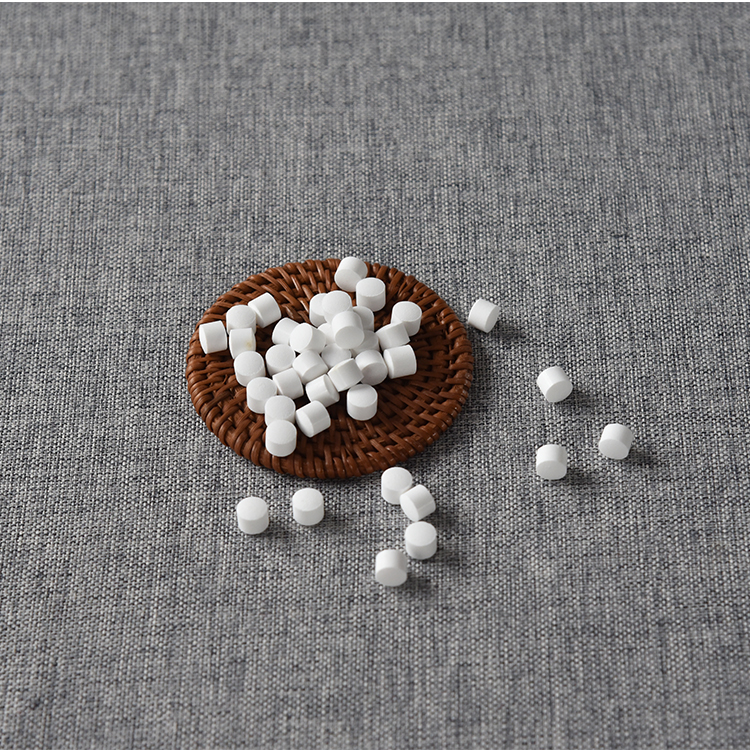
Moreover, the use of ozone to modify the bottom film can increase the dissolved oxygen content at the bottom of the water body. When ozone comes into contact with water, it decomposes to produce oxygen, which can be replenished to the bottom of the water body, thereby increasing the dissolved oxygen levels there. The increase in dissolved oxygen aids in accelerating the decomposition process of organic matter and is also beneficial to the respiration of aquatic organisms.
Moreover, the ozonation film modification also serves as a sterilization and disinfection agent. Ozonization can destroy the cell structure of pathogenic microorganisms, inhibit their growth and reproduction, thereby reducing the incidence of diseases in aquaculture organisms. In the bottom environment, the proliferation of pathogenic microorganisms is often more severe, and the use of the ozonation film modification can control their numbers.
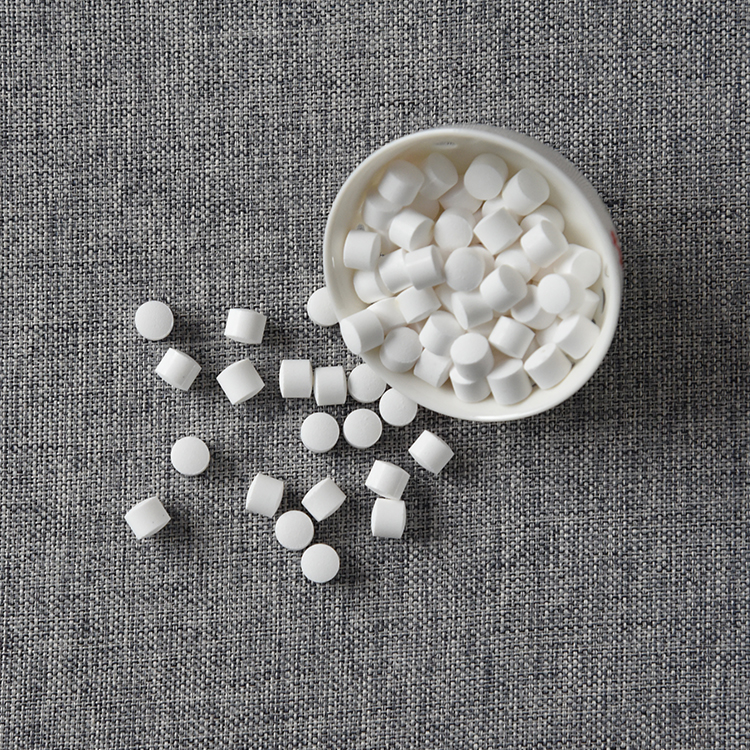
In summary, the ozonated bottom film for aquaculture significantly improves the environment at the bottom of the aquaculture water bodies by oxidizing and decomposing organic matter, increasing dissolved oxygen levels, and sterilizing and disinfecting. This provides a more suitable growth space for aquatic organisms.