
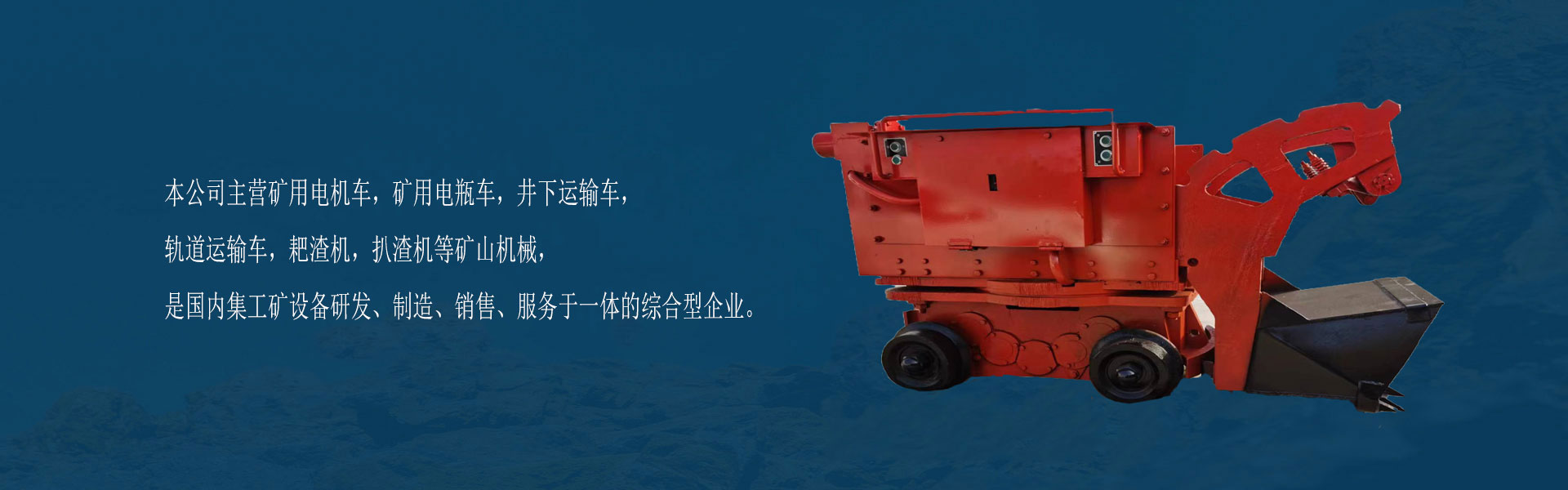



The loader's operation is composed of two parts: hydraulic transmission and mechanical transmission. Hydraulic transmission refers to the through-axle type variable displacement piston pump and the through-axle type fixed displacement motor. The hydraulic pump is driven by an elastic coupling, and the motor is connected to the gear box to output torque. It can also be understood that the hydraulic pump is the command-issuing mechanism, while the motor is the command-executing mechanism. The steering, bucket, and lifting functions are all performed by the three-way pump. The three-way pump is driven by the other end of the motor shaft through a belt pulley, which drives the belt to complete the three-way pump operation.
A scraper is a type of earth-moving machinery that uses a bucket to scoop and transport soil fragments. It can perform comprehensive operations such as scraping, loading, transporting, unloading, and layering fill and partial compaction. It is suitable for leveling sites in railway, road, water conservancy, and power engineering projects. Scrapers are easy to operate, not limited by terrain, can work independently, have fast travel speeds, and high production efficiency. They are applicable to types 1 to 3 soil, and when scraping soil of type 3 or above, it is necessary to loosen the soil in advance. Currently, the scraper machines widely used in the market are divided into two types: internal combustion scrapers and electric scrapers. Internal combustion scrapers are suitable for well-ventilated areas.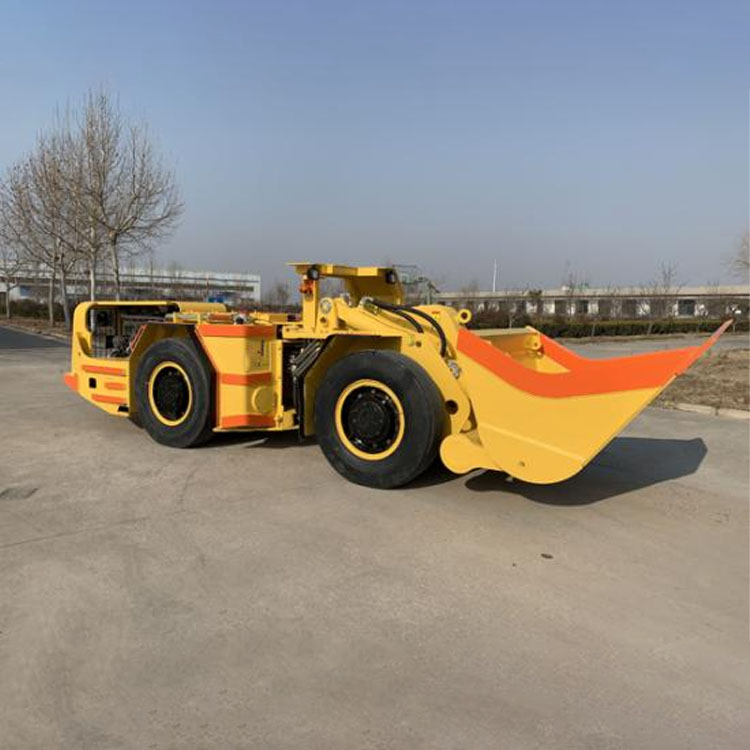 A good working environment, characterized by flexibility and speed; electric loaders are also more environmentally friendly and pollution-free. Detailed information on their features, construction, classification, achievements, operation process, safety procedures, etc.
