
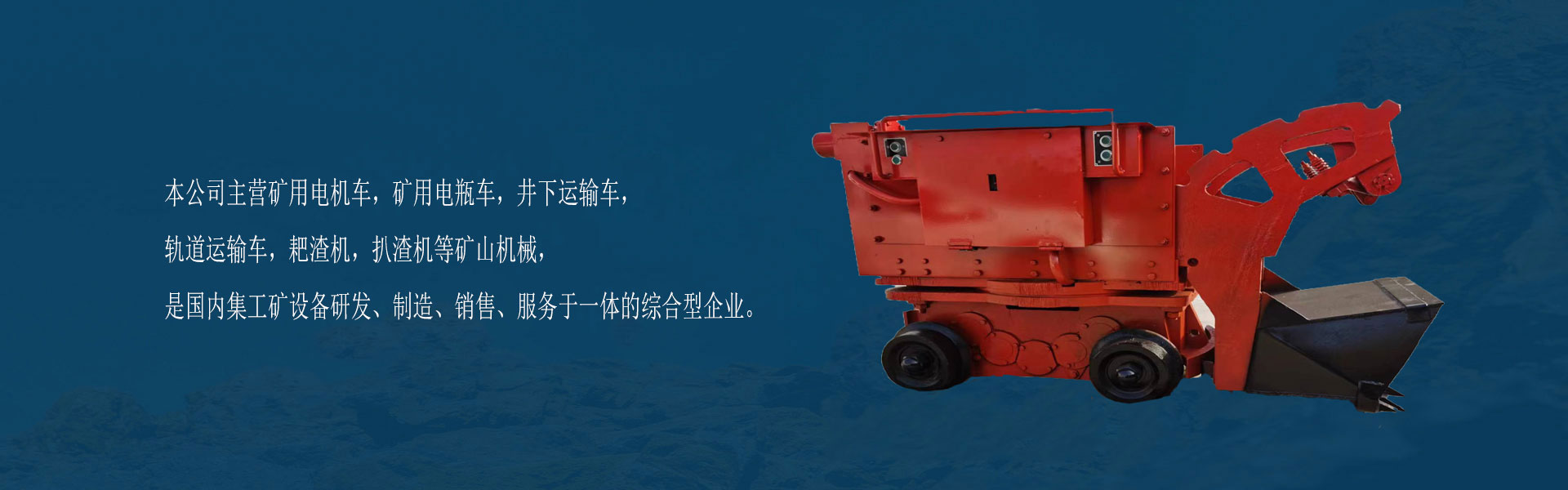



1. The rock loader can freely perform various operations such as loading rocks, removing hazardous rocks, scalping, trimming, and digging trenches, etc. Its feeding plate mechanism allows for better concentration of materials and easier loading.
2. Suitable for underground mining and recovery of valuable minerals, loading minerals into ore carts. Additionally, it can be used to load loose materials on the ground.
3. Ore loading can be performed not only in inclines and declines below 30°, but also in parallel with the excavation process.
4. The rock drilling machine is equipped with crawler movement. The crawler plates, pin sleeves, and all other moving auxiliary components have been quenched, ensuring a long service life, high wear resistance, and easy adjustment of the tensioning belt mechanism.
5. The bucket is made of special material, featuring high strength, wear resistance, and a long service life.
Types and operating conditions of bucket loaders: Bucket loaders are another important type of loader used in rock tunneling. Their working mechanism is the bucket, which can be rear or side discharge depending on how the rock is unloaded after being scooped up. Some directly load into ore cars, while others first unload into a transfer conveyor before being loaded onto a vehicle. The walking mechanisms include track, solid tire, and tracked. In China, coal mines commonly use track-type rear-discharge bucket loaders and tracked side-discharge bucket loaders. Bucket loaders are generally used in horizontal tunnels or inclined tunnels with an inclination of less than 8° underground, for loading hard or loose rock with a maximum size of no more than 200-250mm. They are suitable for single or double track tunnels with a height of not less than 2.2m and a cross-sectional area of more than 7.5m². Their electrical equipment is all explosion-proof, allowing use in mines with risks of gas and coal dust explosions.
