
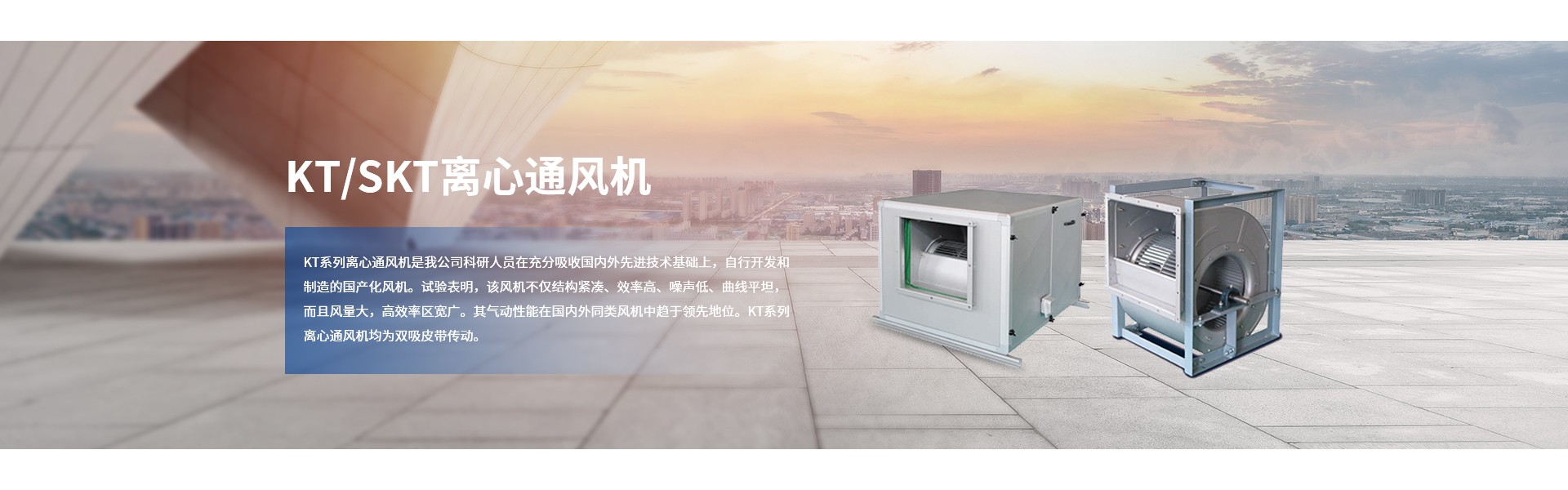
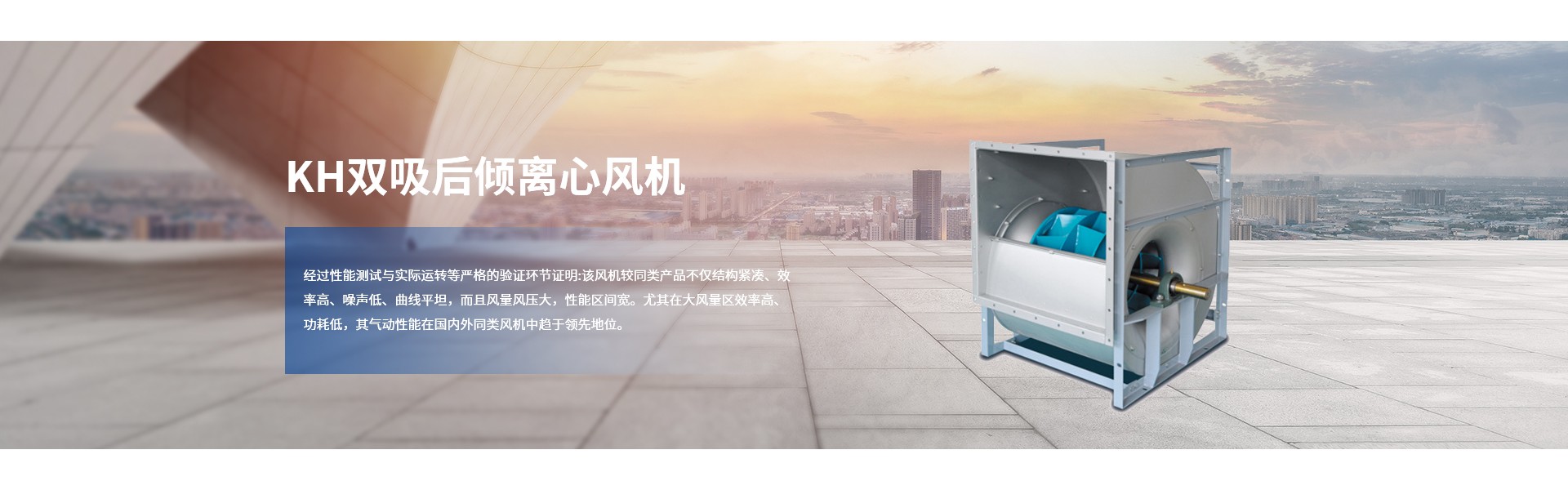
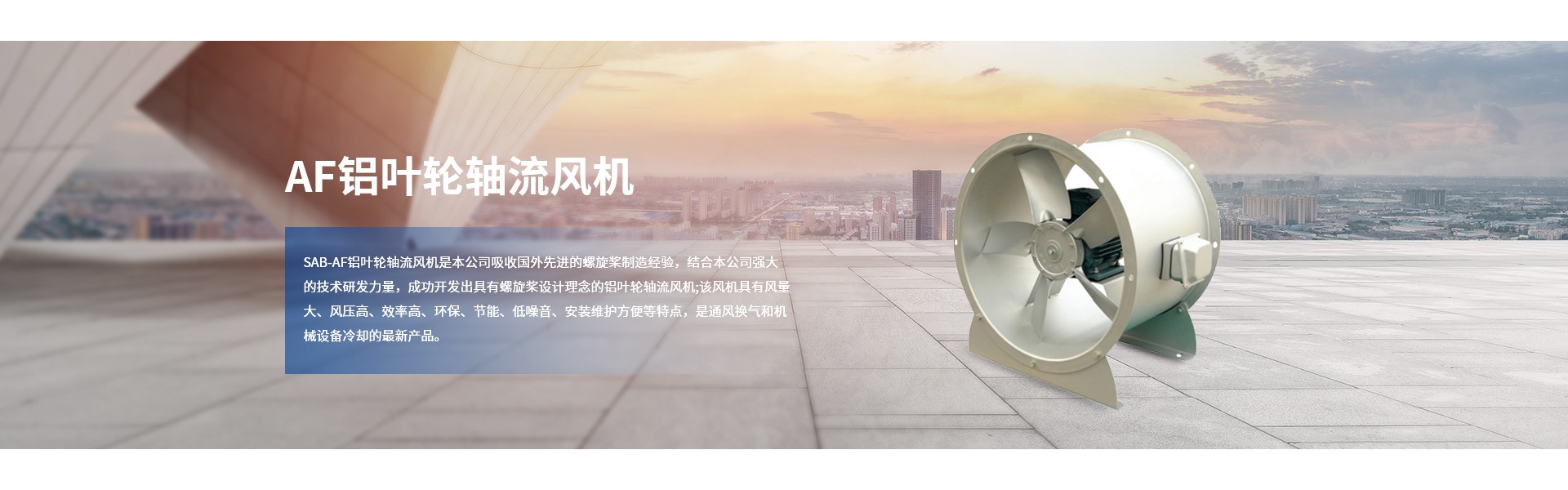
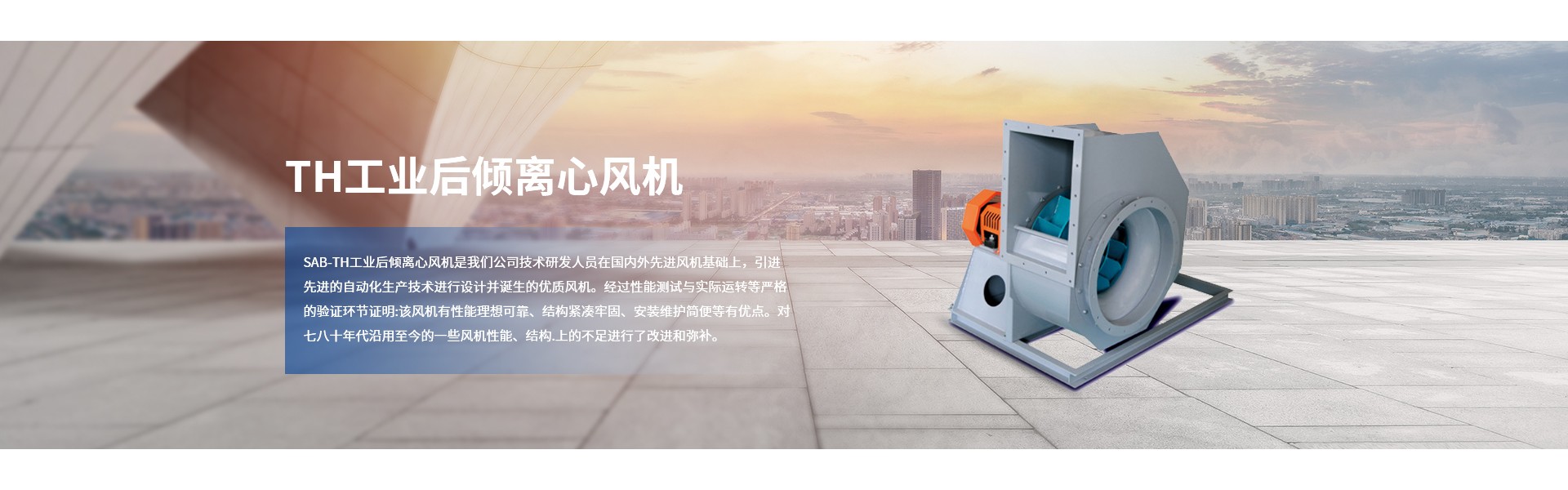

The semi-open impeller sealing structure of centrifugal fans can be widely applied in fields such as air conditioning, ventilation, and exhaust. This improvement to the traditional centrifugal fan's sealing structure involves a semi-open impeller that is connected to and rotates with the fan impeller. The cover is connected to the fan's housing and serves as a fixed component. The cover and the semi-open impeller combine to form a semi-open impeller sealing structure. As the fan impeller operates, this patented design blocks the airflow from the high-pressure side of the fan from flowing back through the gap between the cover and the semi-open impeller to the low-pressure side, thereby completely separating the high-pressure and low-pressure sides of the fan. This achieves the goals of reducing the fan's energy loss, decreasing the fan's noise, and increasing the fan's outlet airflow and pressure.
The centrifugal fan for purification treatment includes a housing with an inlet and an outlet. Inside the housing, there is a impeller, and an electric motor is mounted on the outside of the housing, connected to the impeller via a shaft passing through the housing. The inlet or outlet of the housing features a water supply chamber with several outlet holes facing the inlet or outlet direction, as well as an inlet pipe on the chamber wall. This purification centrifugal fan simplifies the structure and principle of the purifier, reduces the purification function, and correspondingly lowers the manufacturing cost of the purification equipment. It also effectively purifies dusty airflows and recycles dust particles.
The wing-shaped energy-saving double-suction centrifugal fan impeller uses logarithmic spiral to reduce vortex flow and noise reduction; a symmetrical impeller core disk is set in the middle of the impeller, with wing-shaped blades evenly distributed on both sides of the core disk along the circumference, thus creating a double-suction air passage, enhancing the fan's efficiency. This fan design is advanced with a reasonable structure, featuring small overall volume, light weight, low noise, and high air volume. At an air volume of 80,000 m³/h and a wind pressure of 160 mmH2O, it only requires a power of 35 kW, whereas existing fans need 55 kW under the same conditions. A bottom plate parallel to the shell side panel is mounted on the fan shaft within the shell, with a parallel annular front plate on the bottom plate. Between the bottom plate and the annular front plate, there is a fan blade, and the fan blade forms a non-perpendicular angle α with the bottom plate. The centrifugal fan has a parallel straightening plate on the bottom plate, connected to the bottom plate by a bracket.
Compared to existing fans, installing the fan blades radially and at an angle other than 90° to the base not only reduces the windward angle but also optimizes the internal airflow within the fan, significantly diminishing vortices on both sides of the blades. This enhances the fan's efficiency, reduces energy consumption, and boasts simple structure, effective material transport, and low damage to the transported material. It is particularly suitable for transporting items like cotton.
