
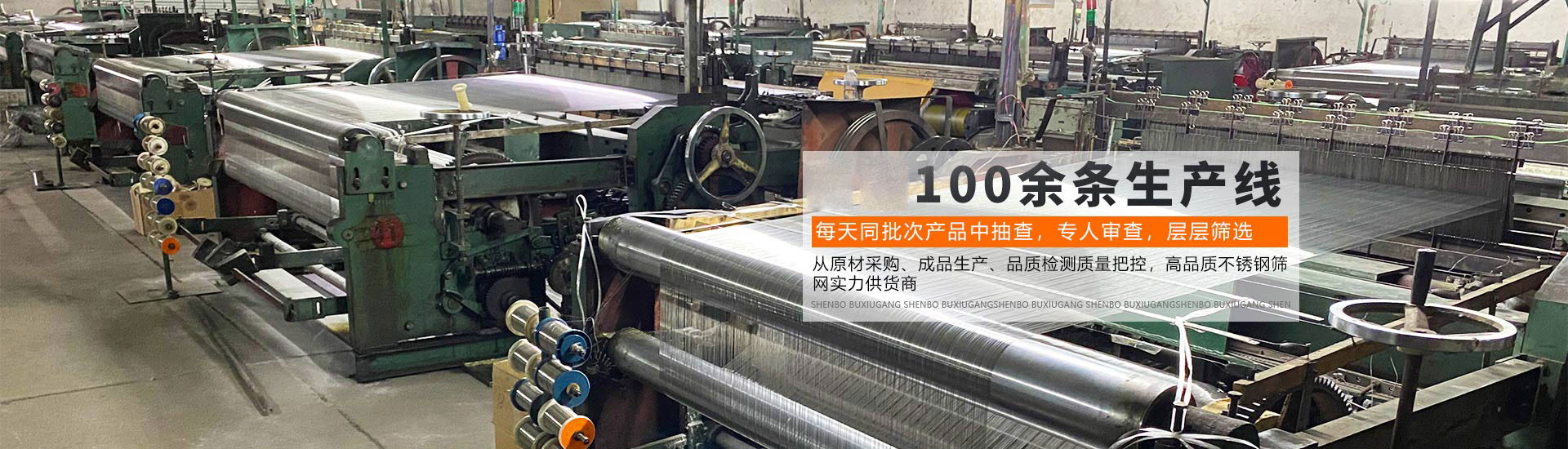
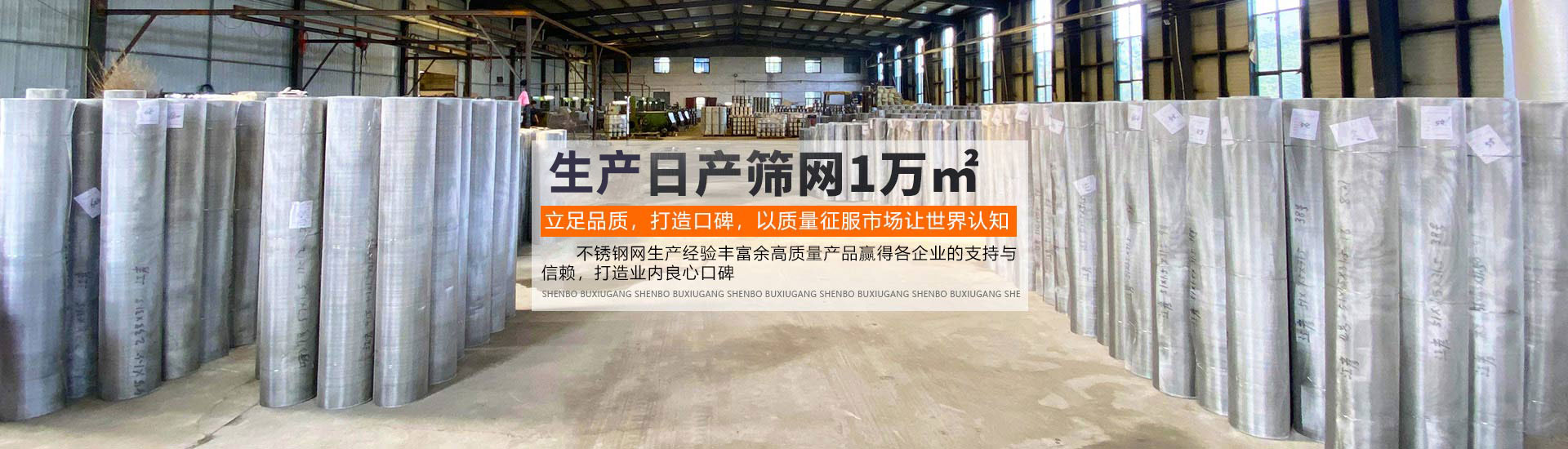
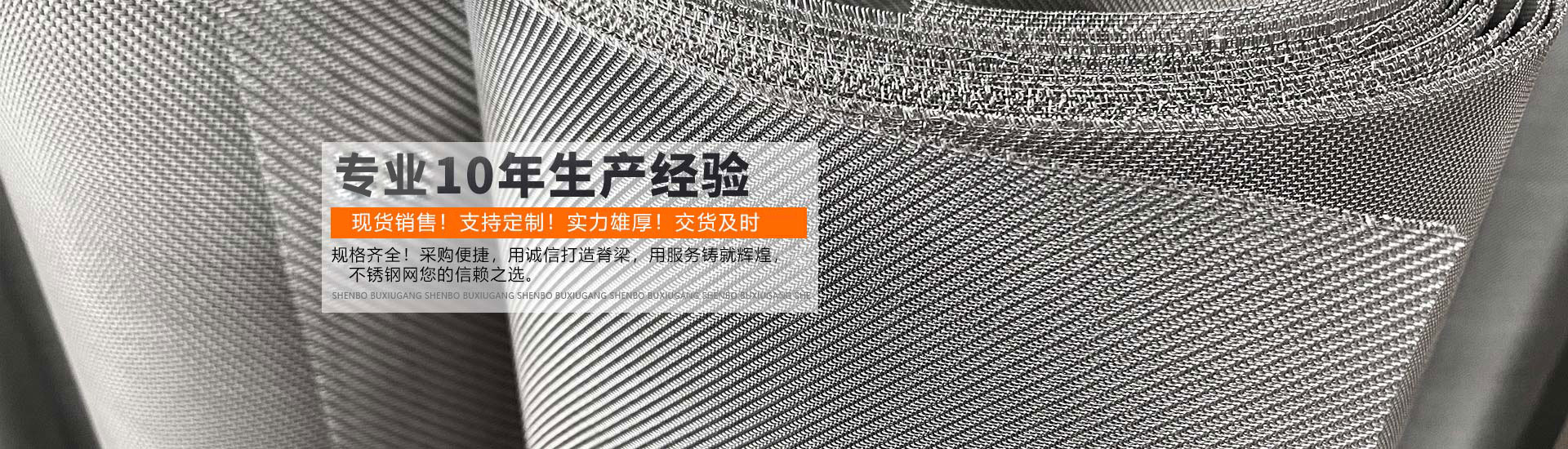

Stainless steel mesh filters, similar to but differing from standard stainless steel filters, require a softer stainless steel wire for the filter. It should not be too hard, as the weaving process is not simple. The stainless steel wire used in stainless steel mesh filters is less than 0.05mm, and can be woven into a -400 mesh filter.
The outer filter plate should be immediately rinsed with water after different bleaches or acids are applied, then soaked in a solution of neutral bicarbonate of soda or ammonia, and finally washed with warm water or a neutral detergent. During the manufacturing process of the stainless steel mesh, as shown in the diagram, the entire diameter, mesh size, and mesh plane are determined based on requirements.
The degree of filtration (also known as aperture confirmation): It refers to the cross-sectional contour of the network's diagonal weave, and the diameter of the triangular hole formed by the oblique cut of the two nearest warp and weft threads. The method of the filter: The configuration of the filter device under the actual application conditions of the network. Details of a standard compact stainless steel filter.
Primarily used for covering trenches, steel platforms, ladders, etc. The tracks are typically made of twisted square steel. The woven metal mesh is usually made of carbon steel with a hot-dipped galvanized surface to prevent oxidation. It can also be made of stainless steel.
Stainless steel, also known as wire mesh, sieve mesh, and stainless steel filters. The stainless steel wire, woven in a longitudinal and latitudinal order, can form squares, rectangles, trapezoids, etc., with standards differentiated by size and wire diameter. Compared to ordinary steel, it is durable, has excellent corrosion resistance at high temperatures, and can withstand strong cleaning forces.
Stainless steel filter mesh surface dust and easily removable dirt can be cleaned with soap, mild detergent, or warm water. Logos and coatings on stainless steel surfaces should be cleaned with warm water and mild detergent. Adhesives should be wiped with alcohol or organic solvents (ether and benzene). Oils, greases, and lubricants on stainless steel surfaces should first be cleaned with a soft cloth, followed by a neutral detergent, ammonia solution, or specialized cleaner.
Titanium mesh woven into the application process now boasts a frictionless appearance, not just due to the filter or preparation for protection in the natural world. It's more about the surface that tends to slip after prolonged use compared to the appearance, matte finish, or rust-inducing (stainless steel will rust). Thinking this way, the painted woven titanium mesh offers a process appearance, but customers might say that a little painted titanium mesh is prone to falling in the future. Now let's analyze why the painted woven titanium mesh is suddenly so prone to falling.
Stainless steel wire mesh corrosion is not absolute; however, certain types of steel are relatively better. The 329J3L system 300 is used in steel tanks for chemical industry applications. Line 400 is made of highly corrosion-resistant 446M444 steel, and these particular steels are produced relatively less domestically.
Additionally, unnecessary damage has been prevented. For these reasons, it's no surprise that this type of screen is the preferred choice for many. If you have a need, utilizing these products is essential.
The di-angle of the plasma arc welding is analyzed, which shows that under the same welding conditions, the heating area of the plasma arc is smaller than that of thermal welding. Conversely, spot welding requires a smaller area, which is more easily satisfied. Additionally, the plasma arc column has high humidity and high energy density, which, consequently, enhances the thermal welding's penetration ability at normal concentrations. Therefore, thinner sheets can be焊接 with smaller welds?According to measurements, spot welding between 2.5 and 2.8 millimeters meets the requirements.
