
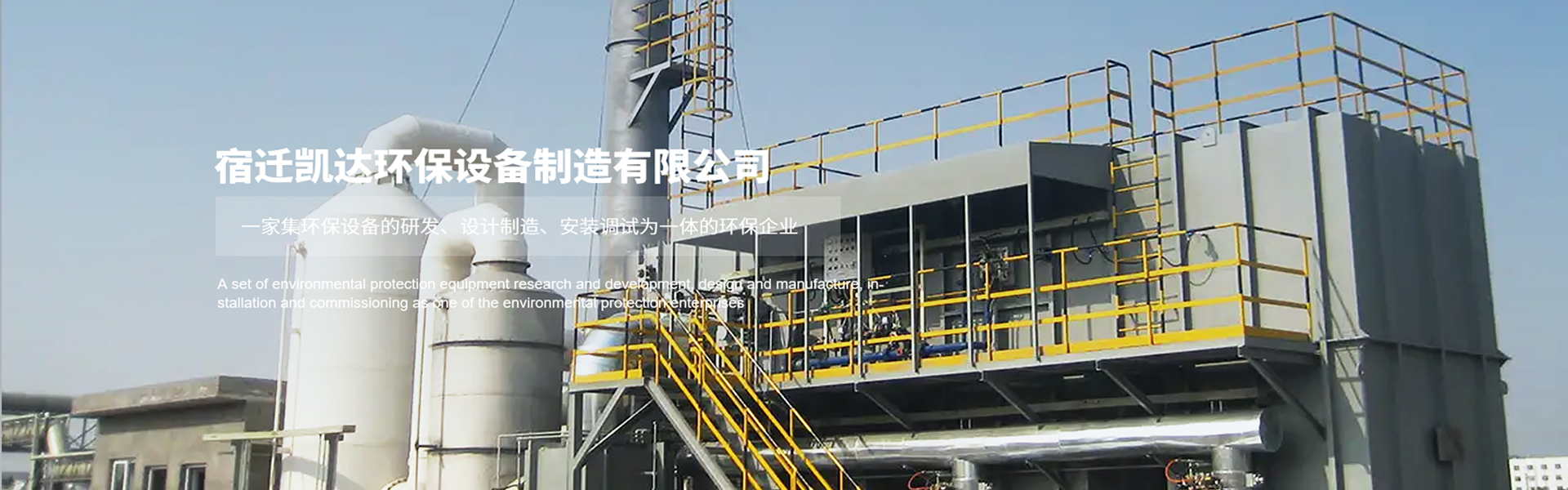

The working principle: The catalytic combustion unit is designed with a process flow of treated exhaust gas entering a honeycomb activated carbon adsorption-desorption-regeneration-catalytic combustion. It operates using a multi-air path method (refer to Figure 1), consisting of 7 activated carbon adsorbers and 1 catalytic combustion unit (supported by low-pressure fans, valves, etc.). The workflow is as follows: spray painting exhaust gas is pre-treated and sent to the activated carbon adsorber for adsorption, with the adsorbed exhaust gas emitted at a height of 15 meters. When the honeycomb activated carbon is about to reach saturation, the adsorption operation is stopped, and then the hot air flow from the catalytic combustion is used to desorb the organic matter from the activated carbon, regenerating it. During desorption, the adsorption box stops operating. The desorbed organic matter is concentrated (increased several dozen times, reaching above 2000PPM) and sent to the catalytic combustion unit for catalytic conversion to CO2 and H2O for discharge.
When the concentration of organic exhaust gas reaches above 2000 PPM, the catalytic bed can maintain natural combustion without external heating. After combustion, part of the exhaust gas is released into the atmosphere, while the rest is sent to the adsorption bed for activated carbon desorption and regeneration. This method meets the thermal energy requirements for combustion and desorption, significantly reducing energy consumption. It is suitable for continuous operation as well as intermittent use. When an adsorber becomes saturated and requires desorption regeneration, a PLC program automatically switches to desorption mode, and the adsorber performs desorption work. This ensures the continuity of production. Each desorption process for a single adsorber takes approximately 4 hours and is completed during production breaks.
