
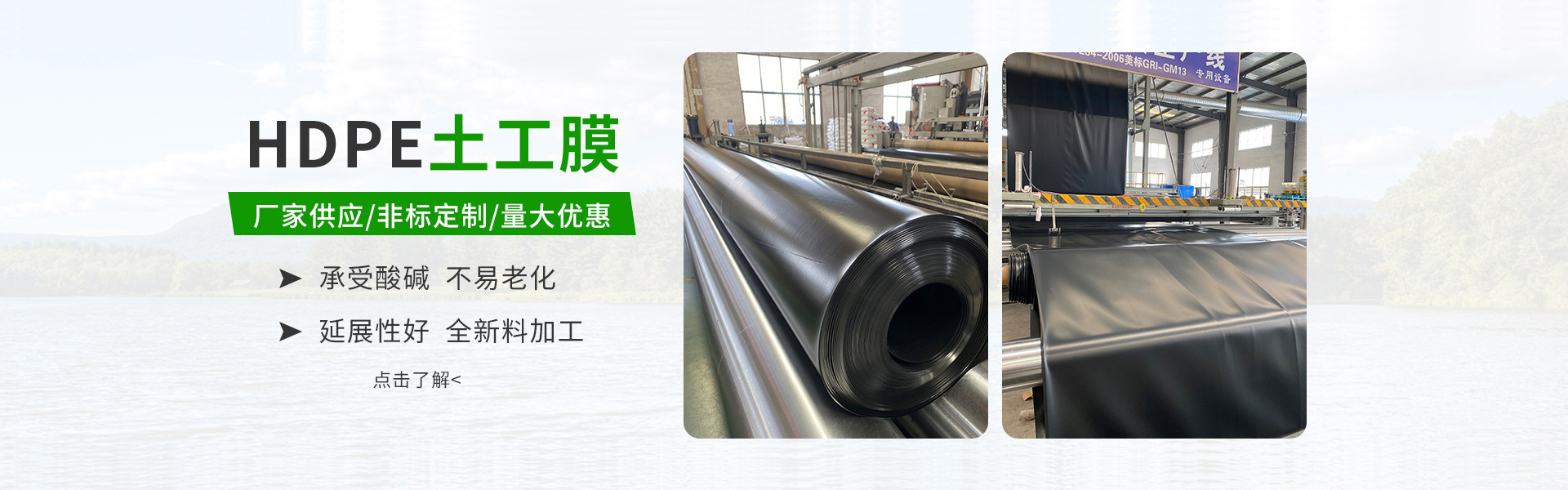
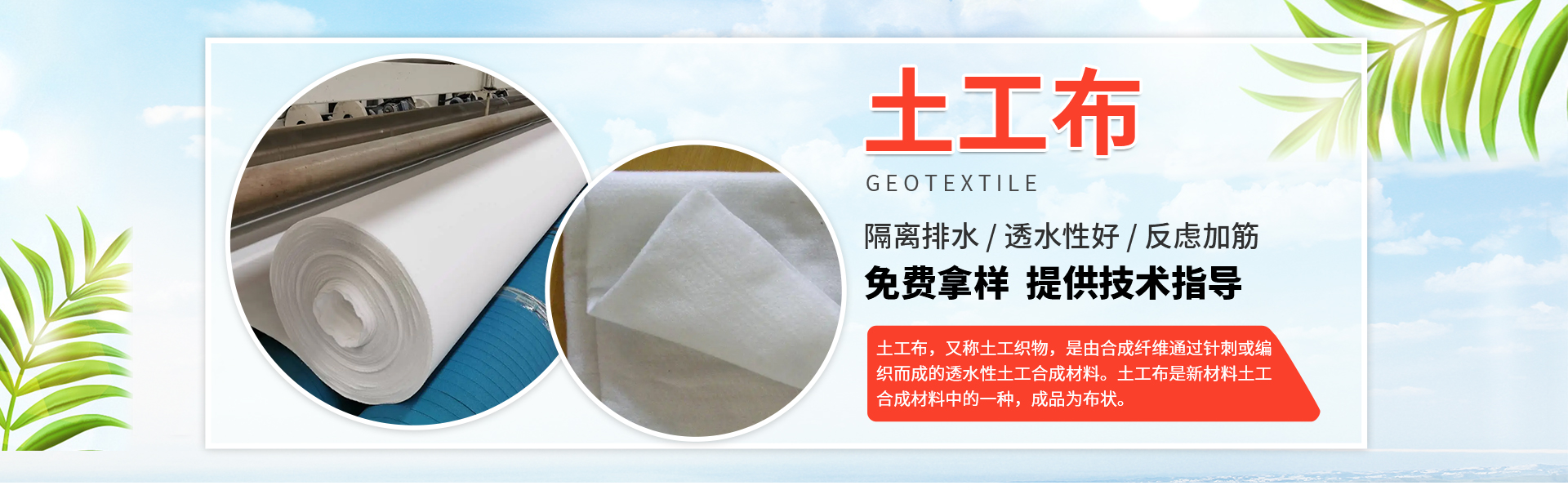

The impermeable lining project at the landfill is one of the key distinctions between modern landfills and simple landfills or garbage dumps. The design and construction quality of the impermeable layer directly relates to the success or failure of the project.
Three sections of the landfill are eligible for the use of impermeable materials:
1. Bottom of the pit 2. Slope 3. Closure of the site
Leachate prevention at the bottom and slopes is to prevent leachate from escaping the landfill and seeping into the ground, contaminating soil and groundwater. Field closure anti-seepage measures are in place to prevent large amounts of external water, such as surface water and natural precipitation, from entering the landfill and increasing leachate volume.
The geotextile membrane products used in these three sections also vary in type and specifications.
Leachate prevention and landfill capping both fall under horizontal seepage control. One is to prevent leachate from seeping down, and the other is to prevent rainwater from flooding into the landfill area, isolating the waste within from the outside world. We generally recommend using thicker, smooth geomembranes for effective bidirectional seepage prevention and barrier.
Around the embankment of the landfill, rough-textured geotextile membranes are required due to the vertical angles of the slopes. These membranes feature a unique rough texture, significantly enhancing the friction between the geotextile membrane and the geotextile fabric. In simpler terms, this is to ensure that the geotextile membrane adheres better to the slope.
