



 通过中商114认证
In 2021, "carbon peak" and "carbon neutrality" were first included in the work report, signifying their extraordinary strategic importance. Our commitment to the world is to achieve carbon peak by 2030 and carbon neutrality by 2060.
Carbon Peaking: It refers to the point at which CO2 emissions reach their peak level at a certain time and then enter a descending phase. Carbon peaking is a prerequisite for achieving carbon neutrality, and achieving it as early as possible can promote the realization of carbon neutrality at an earlier date.
Carbon Neutrality: Refers to the process where a company, organization, or individual calculates the total greenhouse gas emissions directly or indirectly produced over a certain period, and then offsets these emissions through natural and artificial means such as afforestation, ocean absorption, and engineering sequestration, thereby achieving a relative "zero carbon dioxide emissions" in social activities.
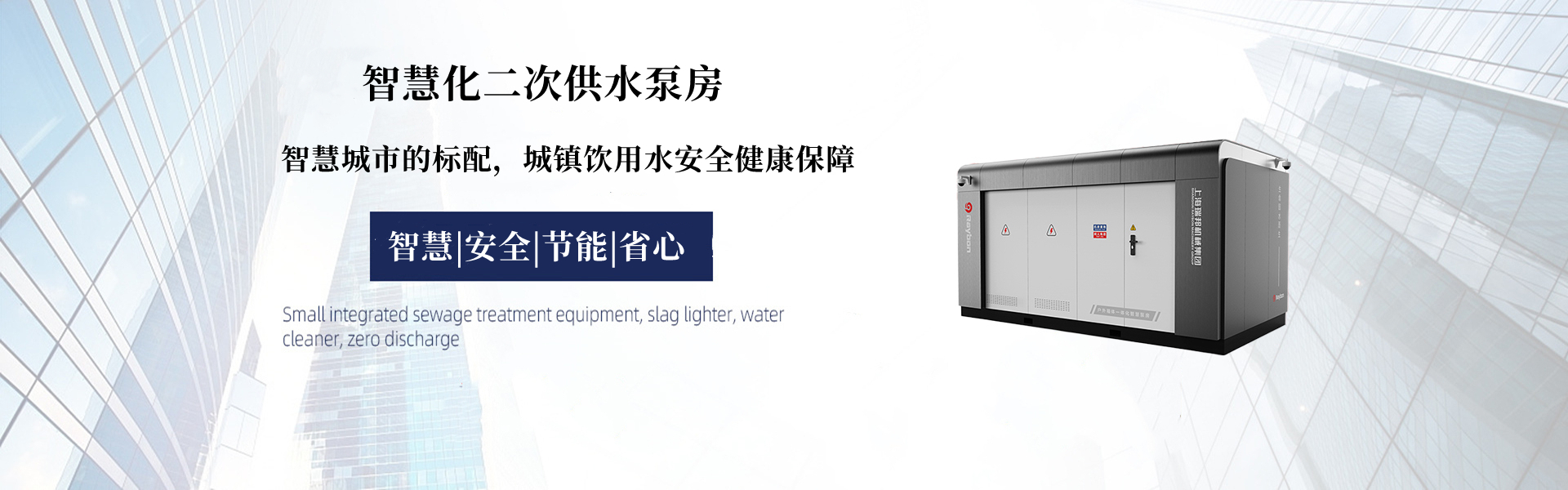
Under the impetus of the "Dual Carbon" goals, the construction industry, a major energy consumer, faces significant challenges. Addressing this issue is an urgent priority for the industry. Leveraging smart water management technology to support carbon neutrality is a trend in smart urban management. The concept of smart water management construction involves optimizing and upgrading traditional water operation and monitoring models, establishing a big data information platform based on Internet of Things, artificial intelligence, cloud computing, and other digital technologies, and achieving comprehensive detection of water supply, tap water, drainage, and water conservation. Through the connection of intelligent detection equipment and the establishment of an online system on the smart water management platform, real-time remote data monitoring and analysis are achieved. Digital empowerment is driving the intelligentization of water management.
The company leverages smart water management to optimize energy consumption and leakage control, effectively managing or enhancing the pipeline network to meet water pressure requirements. The advantage of smart water management lies in its comprehensive data system, which clearly identifies areas for improvement and opportunities to utilize low-carbon processes.
The new direction in water technology development is about opening up and conserving. Opening up involves introducing renewable energy, while conserving focuses on the water industry's work in water treatment and distribution.
The digitalization of the water treatment industry is highly mature at this point. Essentially, every process is well-aware of its carbon emissions and energy consumption. Building on this foundation, the exploration of optimization and the development of water treatment processes with lower carbon emissions or higher efficiency is the next step.
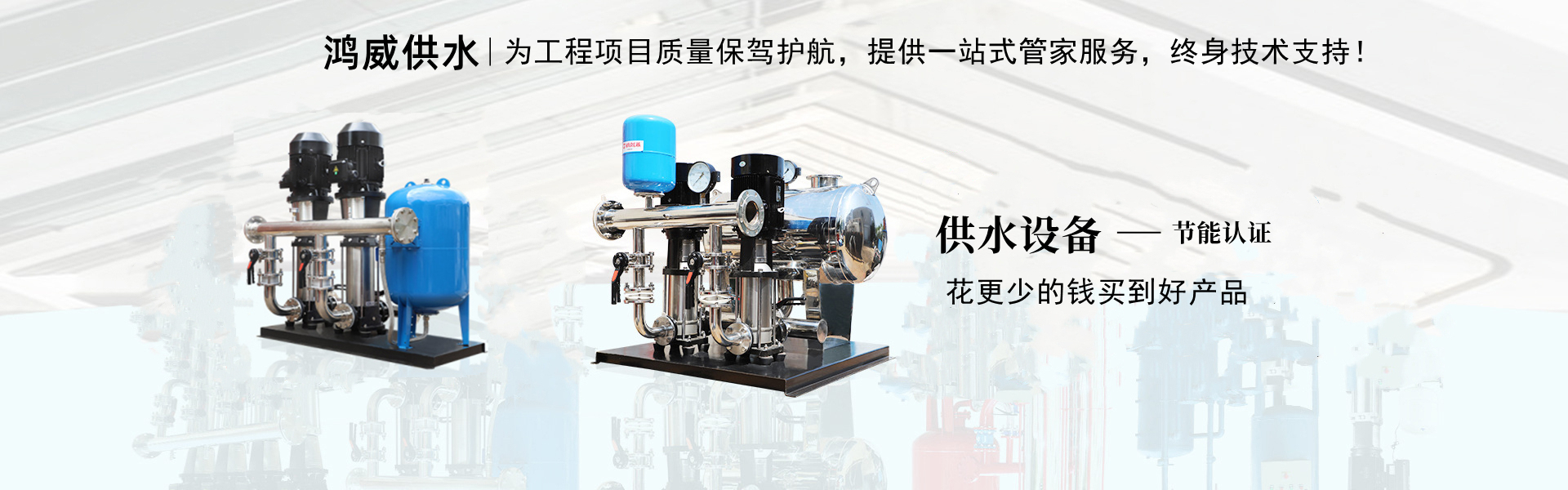
Hongwei Water Supply actively responds to the national dual carbon goals, focusing on scientific research and exploration in smart water management, to help achieve the national "dual carbon" strategic objectives sooner.
