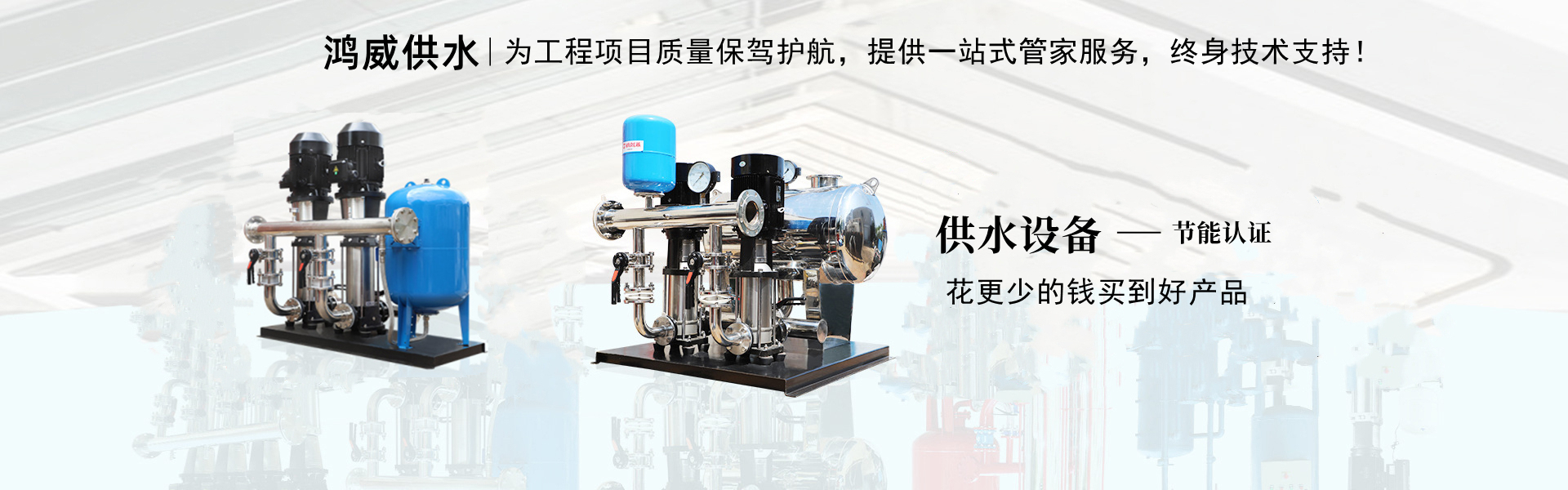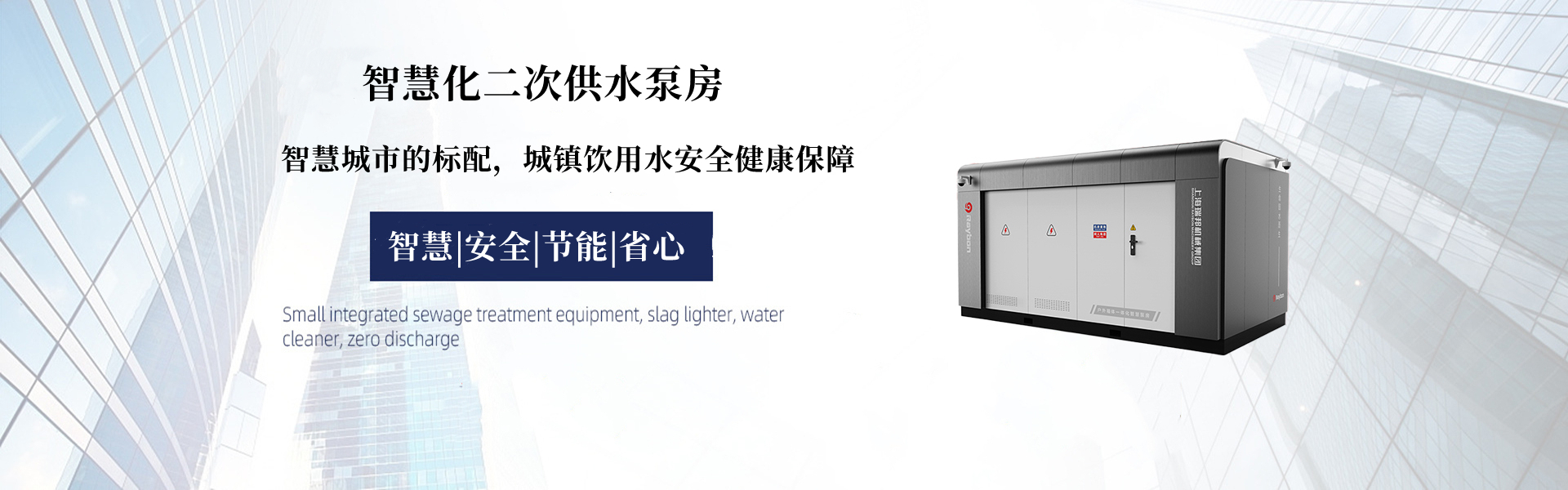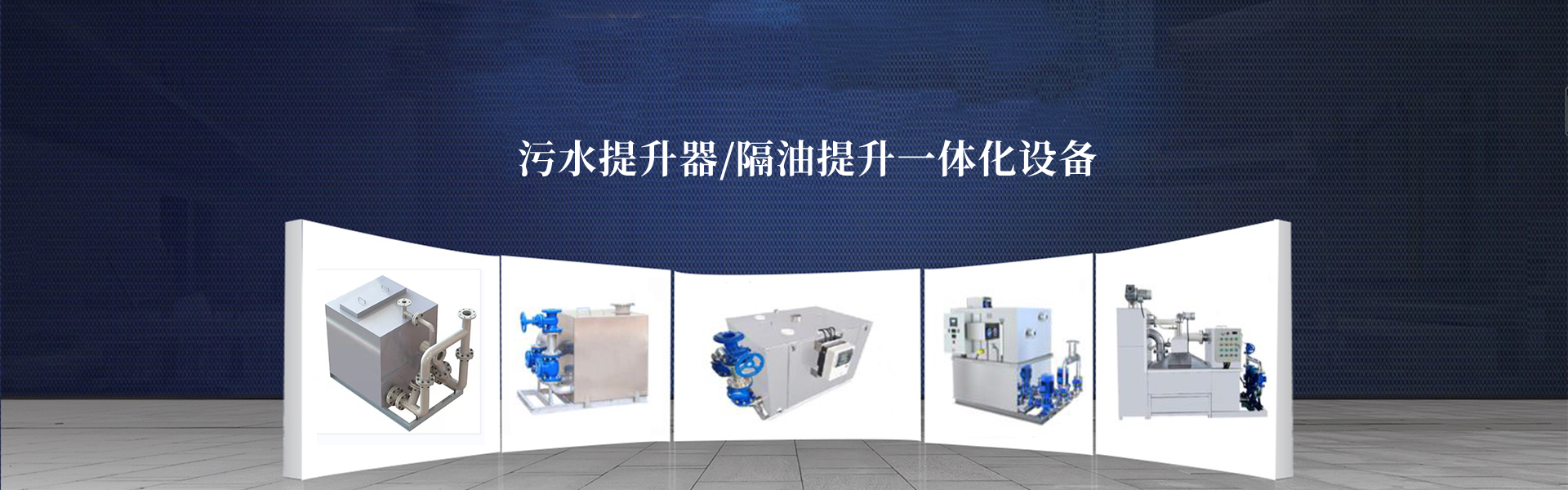

Pumps | Water Supply Equipment | Stainless Steel Water Tanks | Sewage Lift Stations | Oil and Waste Water Integrated Lift Equipment | Full Process Comprehensive Water Treatment System
价 格Negotiable
最小起订0 piece库存0 piece
Fire Suppression Pressure Stabili
Negotiable
Sewage Lift Station
Negotiable
Box-type Variable Frequency Water
Negotiable
Direct-Connected Suction-Centrifu
Negotiable
Heat Exchanger Equipment
Negotiable
Sewage Ejector Pumps
Negotiable
Wastewater Pump
Negotiable
Wastewater Pump
Negotiable
Fire Pump
Negotiable
RCDL Vertical Multi-Stage Centrif
Negotiable
Fire pumps, as the name implies, are pumps used for firefighting. These fire pumps are imported products and are categorized into different types based on various classification methods. Known for their fully sealed, leak-proof, and corrosion-resistant features, they are widely used in environmental protection, water treatment, firefighting, and other departments. They are ideal for pumping various liquids, creating leak-proof and pollution-free civilized workshops and factories. The types of pumps are quite similar, differing only in their head and flow rates. When installing fire pumps, it should comply with the standards.
1. Before installing the fire pump, verify the product's certificate of conformity, ensuring its specifications, model, and performance match the design requirements. Install according to the installation and operation manual.
2. Prior to installation, the concrete strength of the pump foundation, vibration isolation device, coordinates, elevation, dimensions, and bolt hole positions of the fire pump should be verified.
3. Prior to the installation of fire pumps, verify the spacing between the fire pumps and between the fire pumps and the wall or other equipment, ensuring it meets the requirements for installation, operation, and maintenance management.
4. The control valve on the suction pipe of the fire pump should be installed after the fire pump is securely mounted on the base. Its diameter should not be smaller than the diameter of the pump's suction opening, and it should not be of a type without a reliable locking mechanism. The control valve should be a groove or flanged type valve.
5. When the fire pump and fire reservoir are located on separate foundations and rigidly connected to each other, a flexible connection pipe should be added to the suction pipe.
6. There should be no air pockets or leaks on the horizontal section of the suction pipe. When changing diameters, use eccentric reducers and ensure the pipe tops are flush.
7. The discharge pipe of the fire pump should be equipped with a silencer check valve, control valve, and pressure gauge; the main discharge pipe of the system should also be fitted with a pressure gauge and pressure switch; a buffer device should be added when installing the pressure gauge. A butterfly valve should be installed between the pressure gauge and the buffer device; if no design requirements are specified, the range of the pressure gauge should be twice to 2.5 times the working pressure of the system.
8. The vibration isolation device of the fire pump and the installation of the flexible connection of the inlet pipe should comply with design requirements, and there should be product specifications and installation/user instructions.

Phone Consultation