



 通过中商114认证
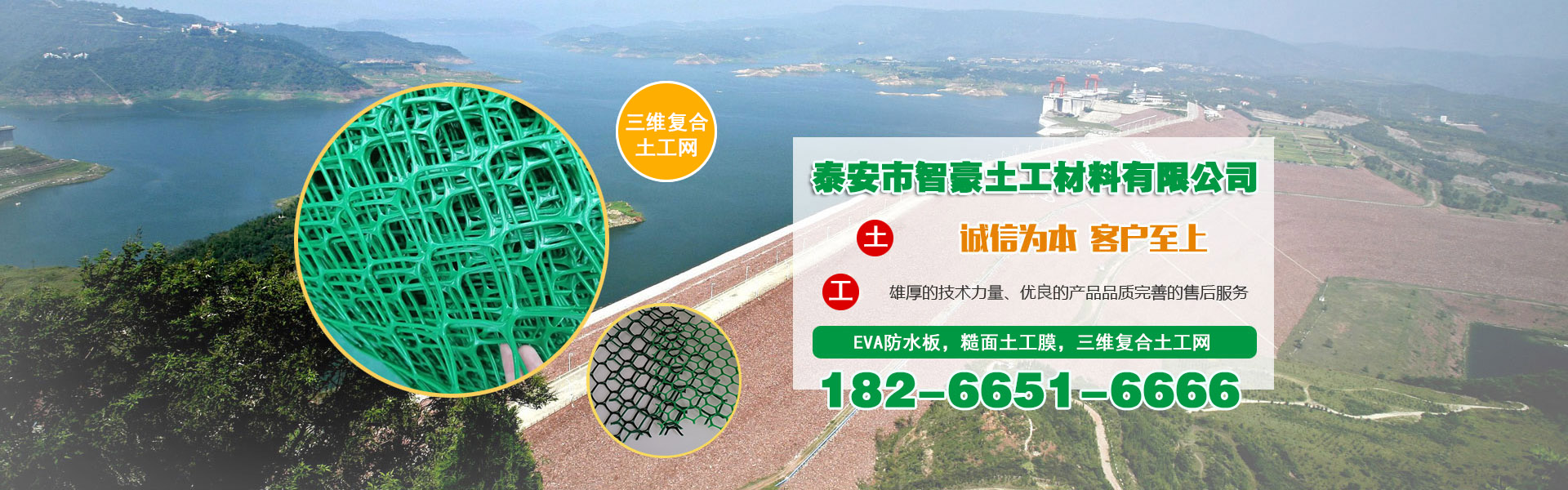
The plastic blind channel is composed of fibers in the range of about 2mm, fused together at their junctions to form a three-dimensional mesh structure, similar in principle to the truss design of steel structures. The surface porosity is 95-97%, which is more than five times that of hollow pipes and 3-4 times that of resin mesh pipes, offering good surface water absorption rates.
2. Due to its three-dimensional structure, it has an air隙 rate of 80-95%, providing both space and ease of management. Its compressive strength is more than 10 times that of tube structures. Even under overloading, the residual air隙 remains above 50%, eliminating any issues with water blockage and ensuring there's no need to consider damage from soil pressure.
The material boasts high compressive strength, with a compression rate of less than 10% under a pressure of 250KPa.
4. Enhanced with anti-aging agents, it boasts durability and stability, ensuring longevity even when placed underwater or in soil for decades.
5. Resilient and flexible, it can be used for curves and bends as well. It's extremely lightweight, and if the backfill depth is around 10 cm, it can even be filled with a bulldozer.
6. Due to these characteristics, issues that have historically arisen with traditional blind channels, such as uneven settlement or partial blockage caused by overloading, leading to crushed material and complete loss of voids, resulting in functional disruption, can be addressed with plastic blind channel materials.
7. Due to the molding process using hot melting without the use of adhesives, there is no risk of failure caused by adhesive aging or delamination.
