

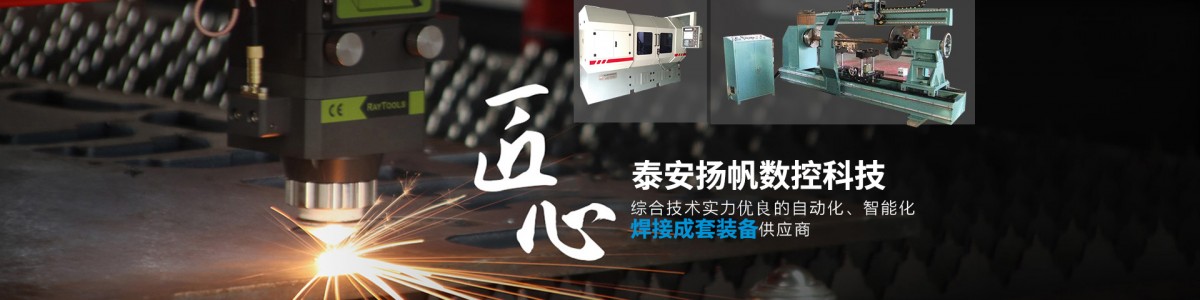
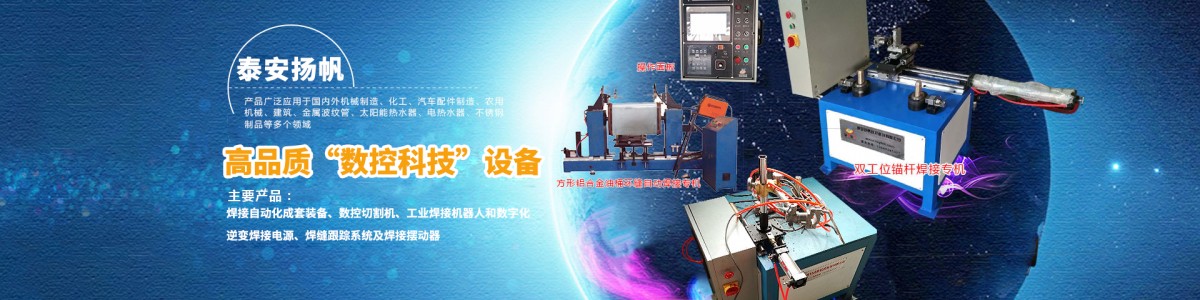

Welding, also known as fusion or joining, is a manufacturing process and technology that joins metals or other thermoplastic materials like plastics through heating, high temperatures, or high pressure. Welding achieves the purpose of joining through the following three methods.
2. Heat the parts to be joined to partially melt them, forming a molten pool. After the molten pool cools and solidifies, the parts are joined. Melting filler material may be added for assistance if necessary.
3. Heat the low-melting-point solder separately, without melting the workpiece itself, and connect the workpieces using the capillary action of the solder (such as soft soldering, hard soldering).
4. Under temperatures equivalent to or below the melting point of the workpiece, supplemented with high pressure, laminate extrusion, or vibration, etc., to achieve interpenetration and bonding between the two workpieces (such as forging welding, solid-state welding).
5. Welding can be further divided into various specific methods such as gas welding, resistance welding, arc welding, induction welding, and other special welding techniques like laser welding.
6. Welding energy sources are diverse, including gas flames, electric arcs, lasers, electron beams, friction, and ultrasonic waves. Beyond factory settings, welding can be performed in various environments such as outdoors, underwater, and even in space.
Welding can pose dangers to operators anywhere, so appropriate protective measures must be taken during welding operations. Potential injuries to the human body from welding include burns, electric shocks, vision damage, inhalation of toxic gases, and excessive ultraviolet radiation.
