



42SiMn is an alloy structural steel with the unified numerical code A10422, complying with the national standard GB/T3077-1999. The chemical composition is one of its characteristics, with each specification having a specific composition. The chemical composition of different specifications (sheets, bars, strips, wires) is generally different, regardless of the material's state. With changes in temperature and pressure, volume or chemical composition will also change accordingly. The chemical composition represents the mass per unit volume, indirectly affecting material prices. Therefore, the chemical composition is also an important factor in material selection. Its performance is essentially the same as that of 35SiMn steel, but it has slightly higher strength, wear resistance, and hardenability. The critical hardenability diameter in water reaches 27.5 to 50mm; in oil, it reaches 13 to 30mm. Under certain conditions, this steel has better strength, wear resistance, and hot working properties than 40Cr steel, with deformation resistance and scale formation similar to that of 40Cr steel.
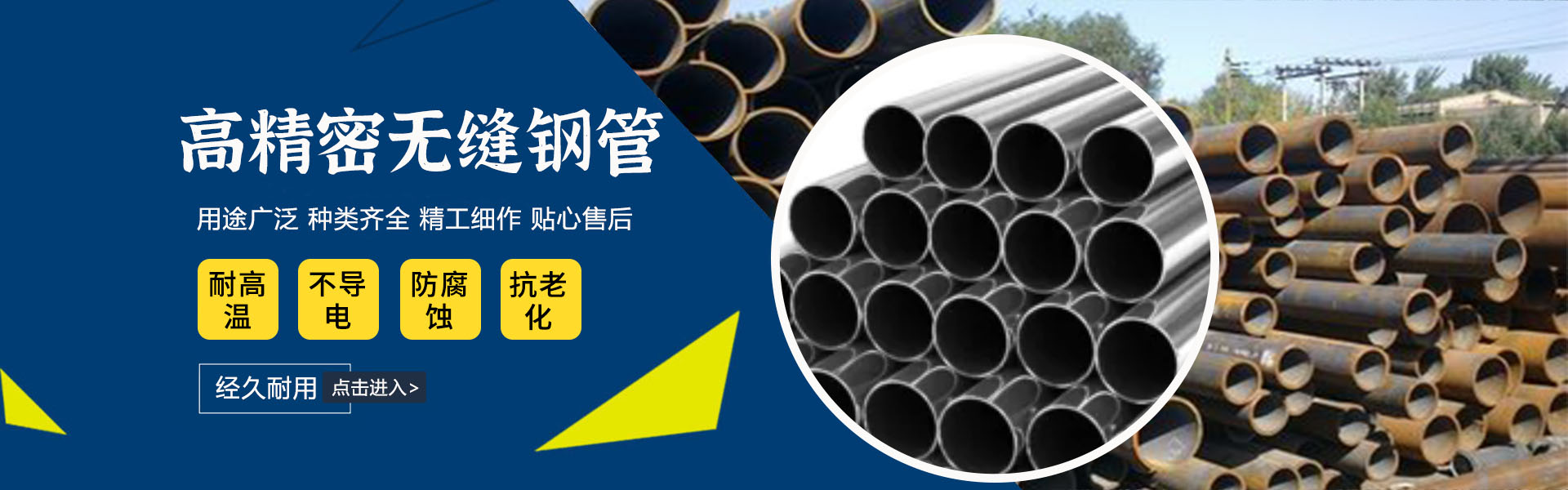
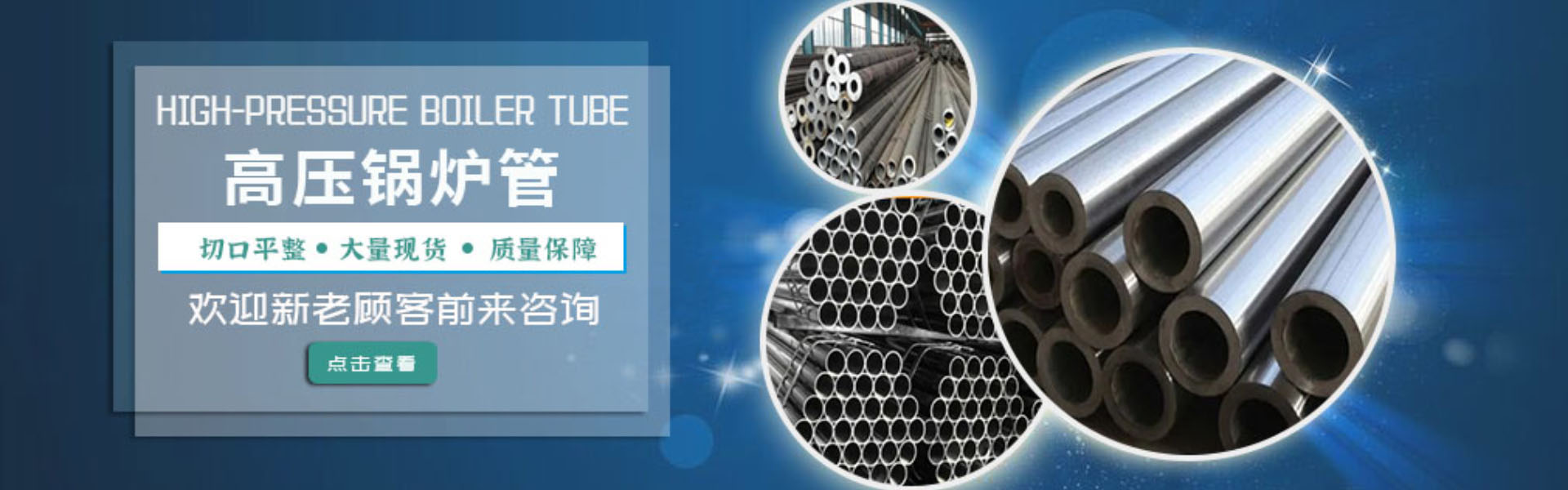
Primarily used for surface hardening steel in high-frequency quenching and medium-temperature tempering conditions for manufacturing gear components for moderate speed and load; in high-frequency quenching and low-temperature tempering after tempering, for producing larger cross-section components with high hardness and good wear resistance, such as spindles, shafts, and gears. It can also be used for making components with moderate speed and high load after low and medium-temperature tempering, such as gears, spindles, hydraulic pump rotors, and sliders. This steel can also replace 40CrNi steel. 42SiMn seamless steel tubes are extensively used for conveying liquids like oil, gas, water, and certain solid materials. Due to their lighter weight under the same bending strength compared to solid billets, they are an economical section steel, widely used in the manufacturing of structural components and mechanical parts, such as oil drilling pipes, automotive drive shafts, bicycle frames, and handrails and footrails in construction. They can improve material utilization, simplify manufacturing processes, and save materials and processing time.
Mechanical Properties: Tensile Strength = 885MPa; Yield Strength σo = 735MPa; Elongation δ8 = 15%; Section Reduction Ratio φ = 240%; Impact Energy A = 247J; Brinell Hardness (annealed or high-temperature tempered) = 229HBS; Sample roughness size 25mm.
Chemical Composition (by mass percentage): 0.39-0.45% C; 1.10-1.40% Si; 1.10-1.40% Mn; 0.035% S; 0.035% P; <0.30% Cr; 40.30% Ni; 0.30% Cu; <0.15% Mo.
Heat Treatment: Quenching temperature 880°C, Water Quenching: Tempering temperature 590°C; Delivery Condition: Delivered in heat treated (normalizing, annealing, or high-temperature tempering) or non-heat treated state.
