


 通过中商114认证

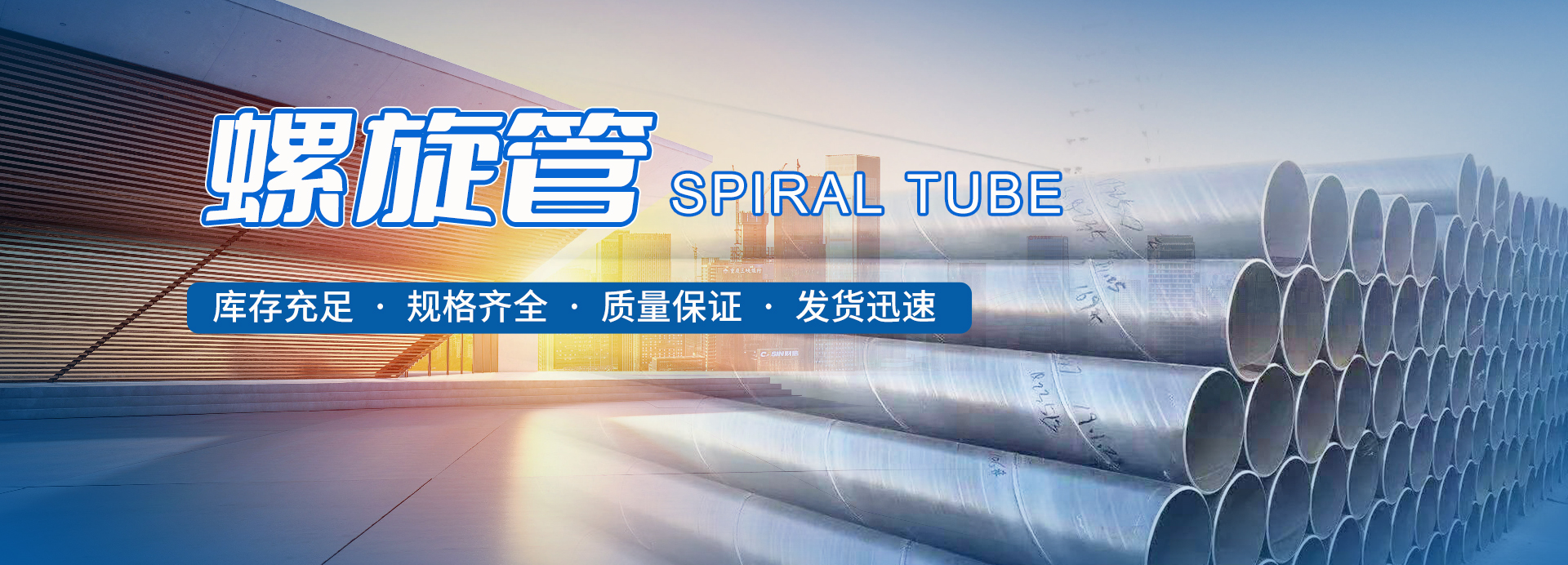
Spiral-welded pipes generally have higher strength than straight seam welded pipes. They can produce larger diameter pipes using narrower billets and can also produce pipes of different diameters with the same width billets. Smaller diameter pipes are mostly produced using straight seam welding, while larger diameter pipes are generally produced using spiral welding.
The surface of the spiral weld pipe seam must not have defects such as broken arcs, burn-through, cracks, scabs, folds, or arc pits. The seam shape should be even and regular with a smooth transition. The classifications of the seams in spiral-welded steel pipes include the following types:
Steel Strip Butt Weld Seam: The steel strip butt weld seam refers to the weld seam where the steel plate or steel strip ends of the spiral seam steel pipe are joined together.
Butt weld seam: the annular weld seam formed by joining two sections of steel pipe together.
Positioning weld seam: A weld seam used to secure the mating edges prior to the final welding process. It involves heating the two edges of the tube blank to the welding temperature and then, under the pressure of the extrusion rollers, forming a solid weld seam through the interpenetration and crystallization of the common metal grains.
How can you judge the quality of spiral pipes just by their appearance?
Visual inspection of spiral tube welding joints is a laborious yet widely-used method of inspection, which is an important part of the quality control process. It primarily aims to identify surface defects and dimensional deviations in the welds, which are inspected by the naked eye, with the aid of gauges and magnifying glasses, among other tools. If defects are detected on the surface of the weld, it is possible that there are defects within the weld itself.
