
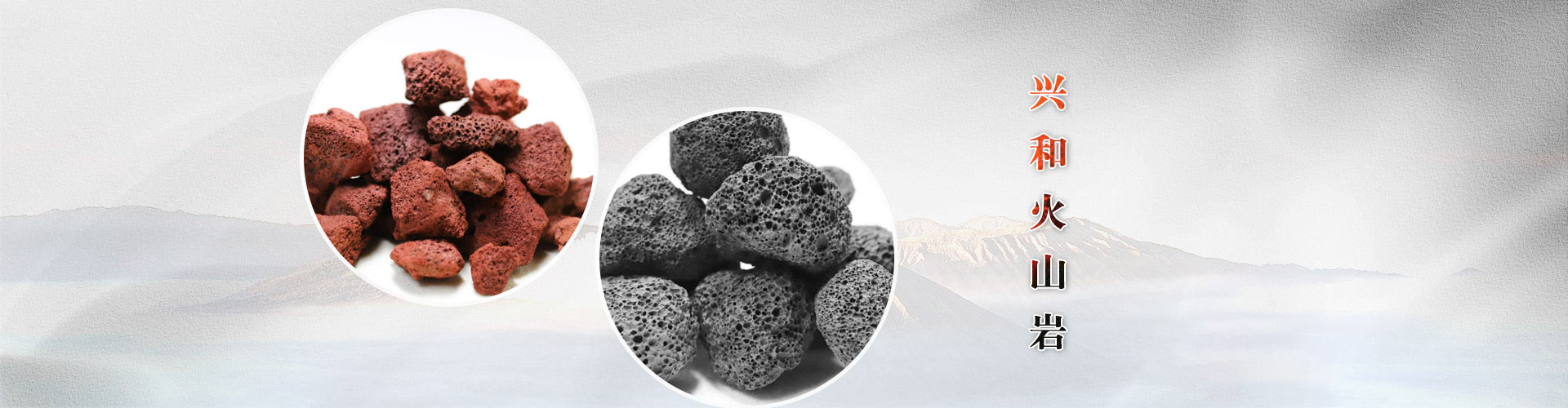

Volcanic rock filter media boasts a large specific surface area with a well-developed pore structure, rich in trace elements. Its rough surface facilitates the attachment and growth of microorganisms, ensuring stable and high activity of the biofilm. The well-developed pore structure reduces resistance to airflow and prevents clogging. Microorganisms thrive on the surface of the volcanic rock biofilter, while organic matter is removed through the adsorption and assimilation by the biofilm. The nitrogen removal in the artificial wetland water treatment system is primarily achieved through microbial nitrification and denitrification. The absorption by wetland aquatic plants and ammonia volatilization can also eliminate nitrogen from the wastewater. Phosphorus is removed from the artificial wetland wastewater by absorbing sediments and deposits, as well as microorganisms and plants.
The artificial wetland water treatment system selects volcanic rock as the natural filter material. It is lightweight, chemically stable, highly resistant to water shear force and strength, and has a rough surface, making it easy to form a biofilm. The distribution of pore sizes on the filter material surface is reasonable, which is very suitable for microbial inoculation, acclimatization, and reproduction. Due to the large surface area of the product, it can accumulate a high concentration of microorganisms. High concentrations of microorganisms increase the volume load of the filter and achieve a high removal rate. The removal rate of wastewater per unit volume is 5-7 times that of traditional filter materials, fully meeting national emission standards.
The artificial wetland selects volcanic rock as the filter material, predominantly black volcanic rock, which boasts excellent quality and value for money. Most importantly, the volcanic rock filter material can meet the massive demand for biological filter material in artificial wetlands.
