
Beer production is generally divided into three main processes: malt production, beer brewing, and beer bottling.
Barley Production:
The crushed malt/grain is mixed with water in a mash tun. In the mash tun, the malt and water are heated to a boil, after which the wort is transferred to a filtering vessel known as the separator tower. Before being pumped into the boiling kettle, the wort must be filtered in a hopper to remove the malt husks and is then added hops and sugar.
2. Brewing Beer:
Malting: Mix ground malt and starch-based additives with warm water separately in the gelatinization and saccharification kettles, adjusting the temperature. After the wort in the gelatinization kettle is fully液化, pour it into the saccharification kettle and maintain it at a suitable temperature for saccharification (62-70℃) to produce the mash.
Fermentation: The vast majority of yeast settles at the bottom of the tank. After removing the yeast, the product "wort" is pumped into the secondary fermentation tank. Here, the remaining yeast and insoluble proteins further settle, allowing the beer's style to mature gradually. The maturation time varies with the type of beer, generally ranging from 7 to 21 days.
3. Brewing and Bottling:
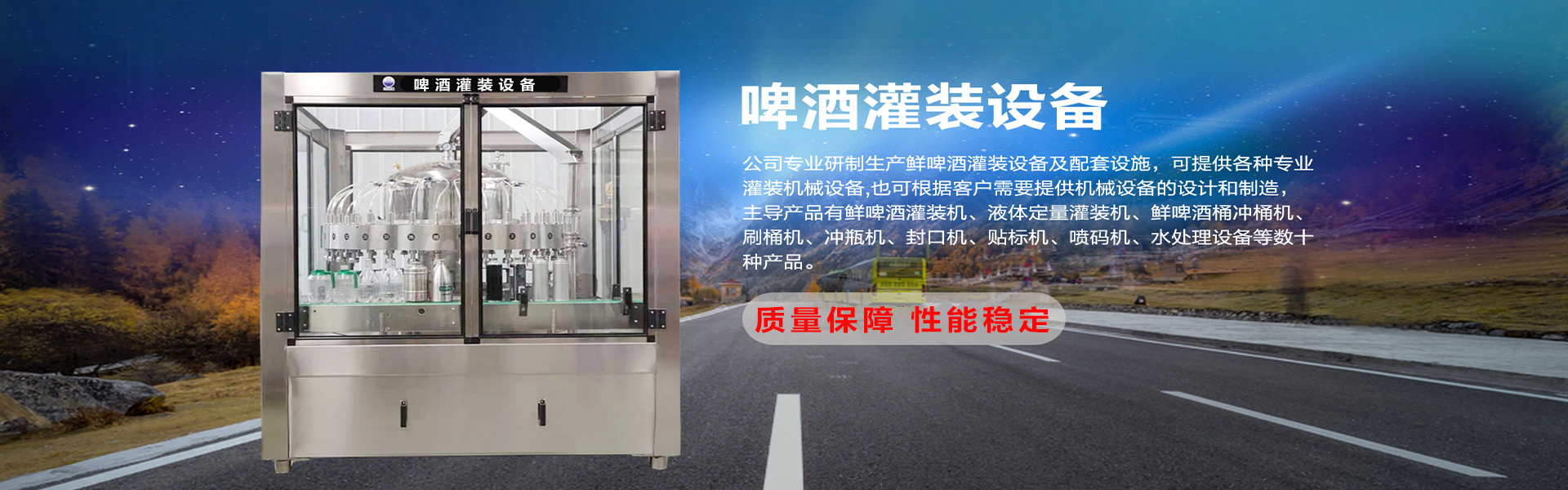
Bottling is commonly available in bottle, can, and drum formats. Combined with variations in bottle shape and capacity, as well as differences in labels, neck collars, and caps, along with the diversity of outer packaging, this results in a wide array of beer products in the market.


通过中商114认证 
