

Electrochemical corrosion-induced failure
When current flows through a rolling element from one raceway to another, it can cause electrochemical corrosion or electrical sparks. The extent of damage depends on the energy level and duration, but the outcome is often the same: electrical erosion pits on the balls and raceways, rapid degradation of lubricants, and premature failure of the bearings. To prevent damage caused by current, insulated bearings are typically used at the non-driven end.
Insufficient lubrication and contamination-induced failure
If the lubricant's viscosity is insufficient or contaminants are present, it can lead to a thinning lubricant film between the rolling elements and raceways, resulting in metal-to-metal surface contact. To prevent this, first check if the correct lubricant is being used and ensure that the replenishment intervals and dosages are appropriate for the application. If pollutants are detected in the lubricant, inspect the seals and determine if they need to be replaced or updated. Depending on the application, in some cases, a higher viscosity lubricant may be required to increase the oil film thickness.
Vibration-induced Failure
If the motor's rotor shaft is not securely fastened during transportation, vibration may occur within the bearing clearance, potentially damaging the bearing. Similarly, if the motor is subjected to prolonged external vibration while stationary, the bearing can also be damaged. To secure the bearing during transportation, follow these steps: First, use a U-shaped flat steel bend to axially lock the shaft, then carefully preload the ball bearing on the non-drive end, and finally, apply a radial load to the bearing with a tie strap. If the stationary period is extended, rotate the rotor shaft regularly.
Insufficient bearing load causes failure
Bearings always require a small preload to operate normally. Damage caused by insufficient preload can manifest as adhesive wear on the rollers and raceways. To prevent this from recurring, ensure that an adequate external load is applied to the bearing. This method is particularly important for cylindrical roller bearings, which are commonly used for heavier loads. This approach is not suitable for pre-tensioned bearings.
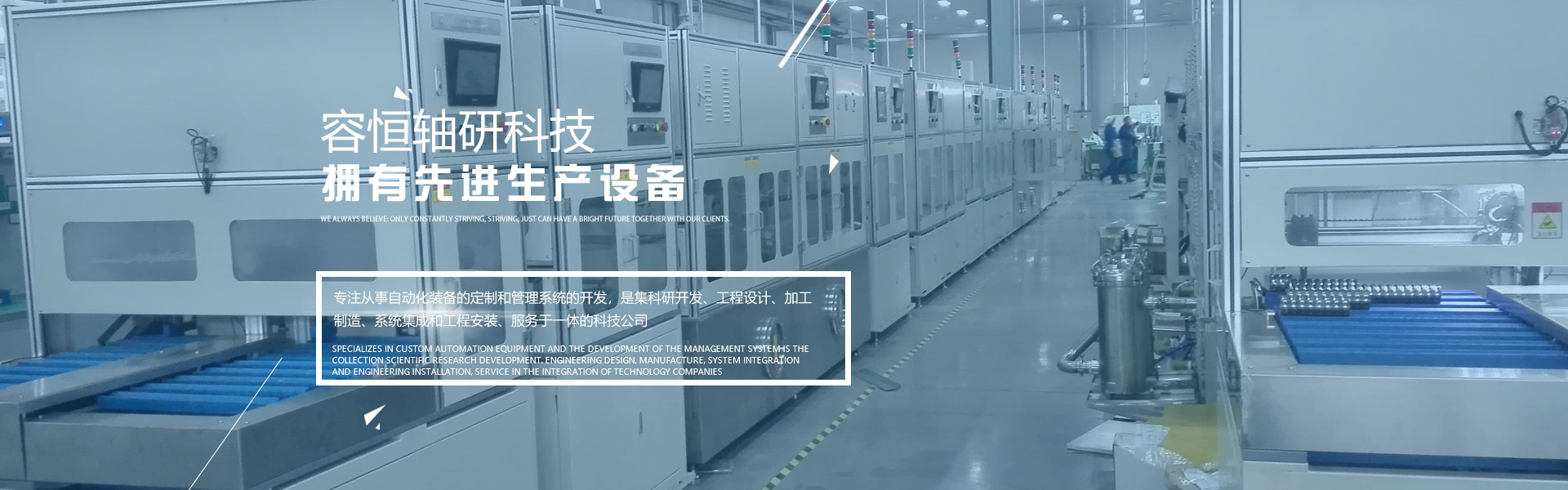
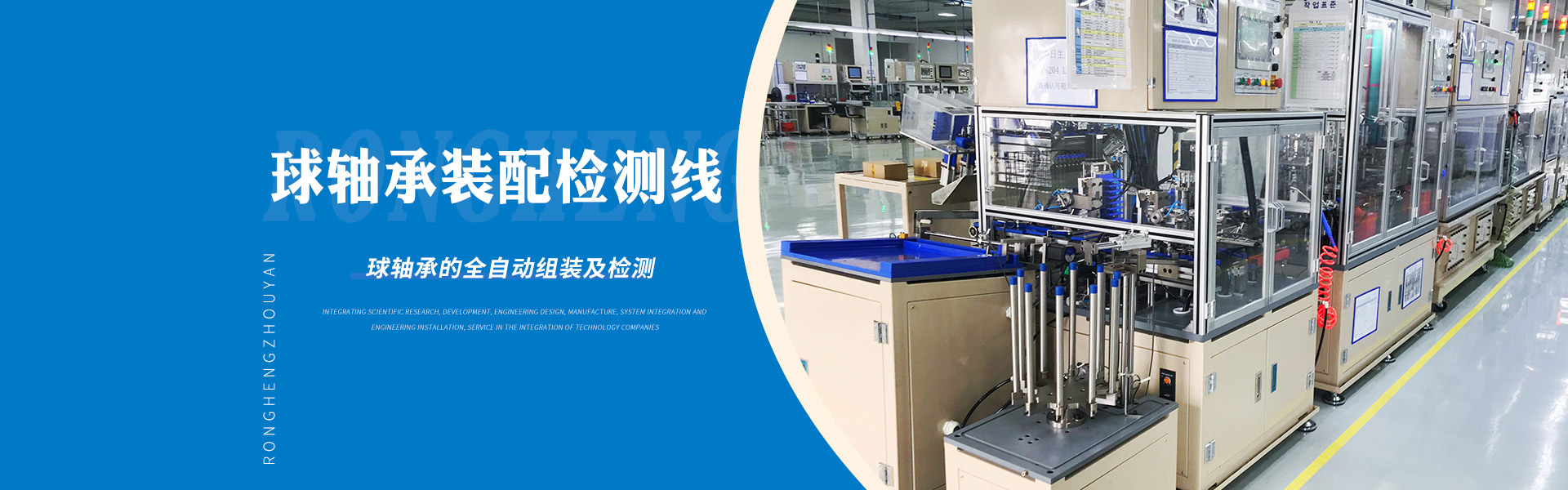
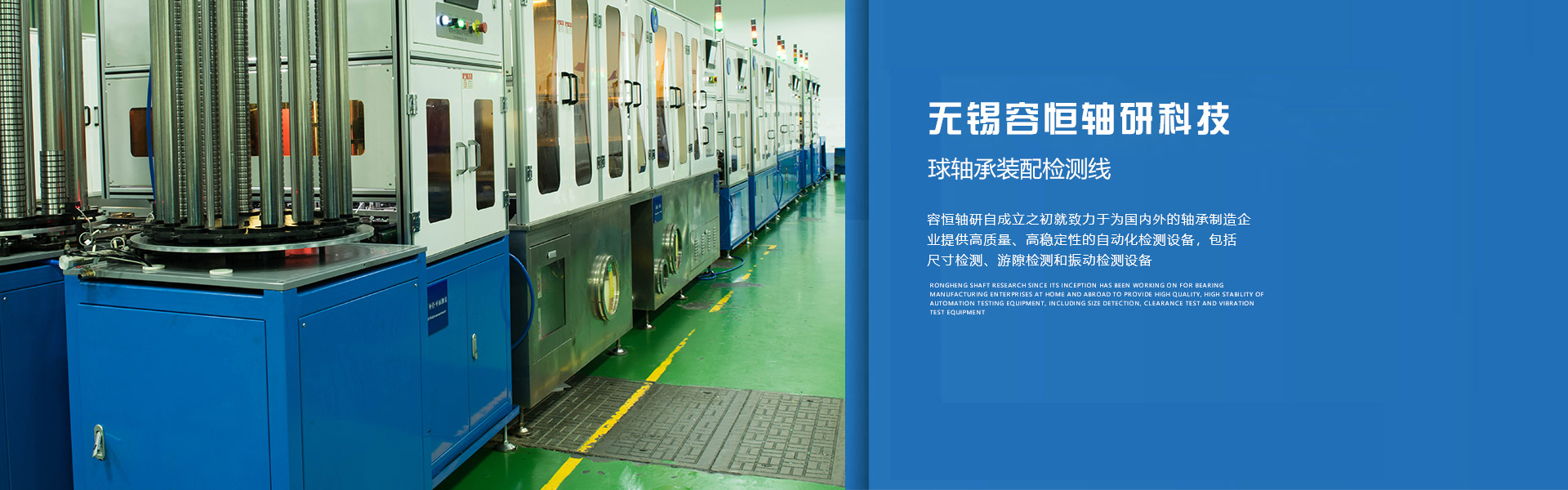
Wuxi Rongheng Axis Research Technology Co., Ltd. specializes in the customization and development of automation equipment and management systems, an integrated technology company encompassing scientific research and development, engineering design, manufacturing, system integration, engineering installation, and services.
