
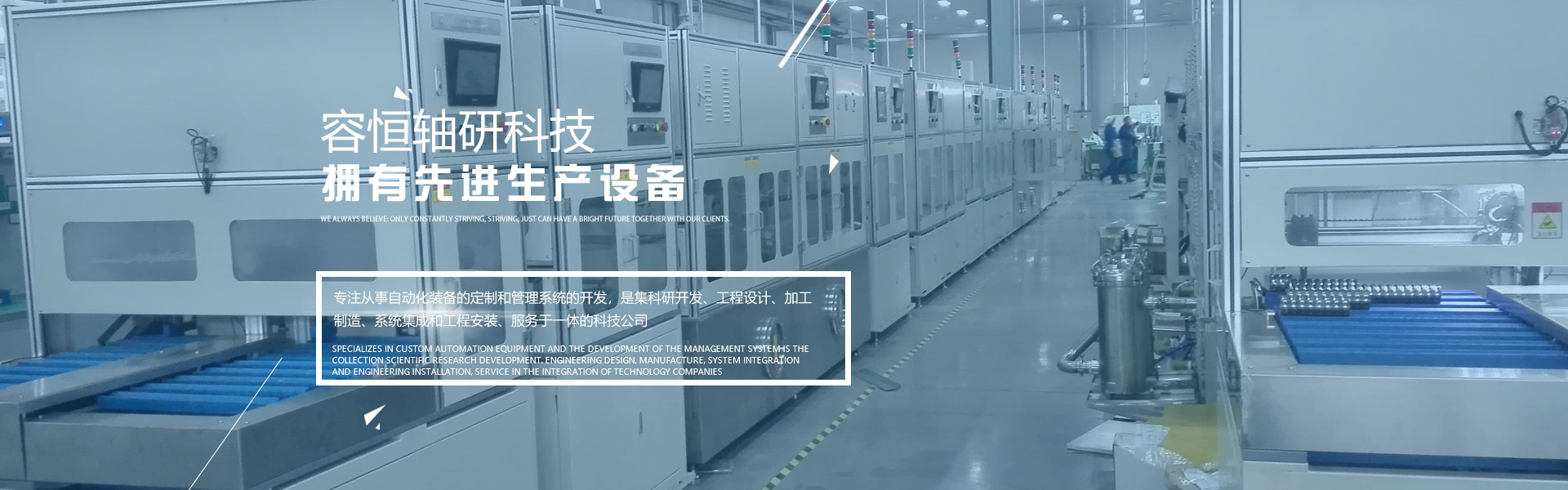
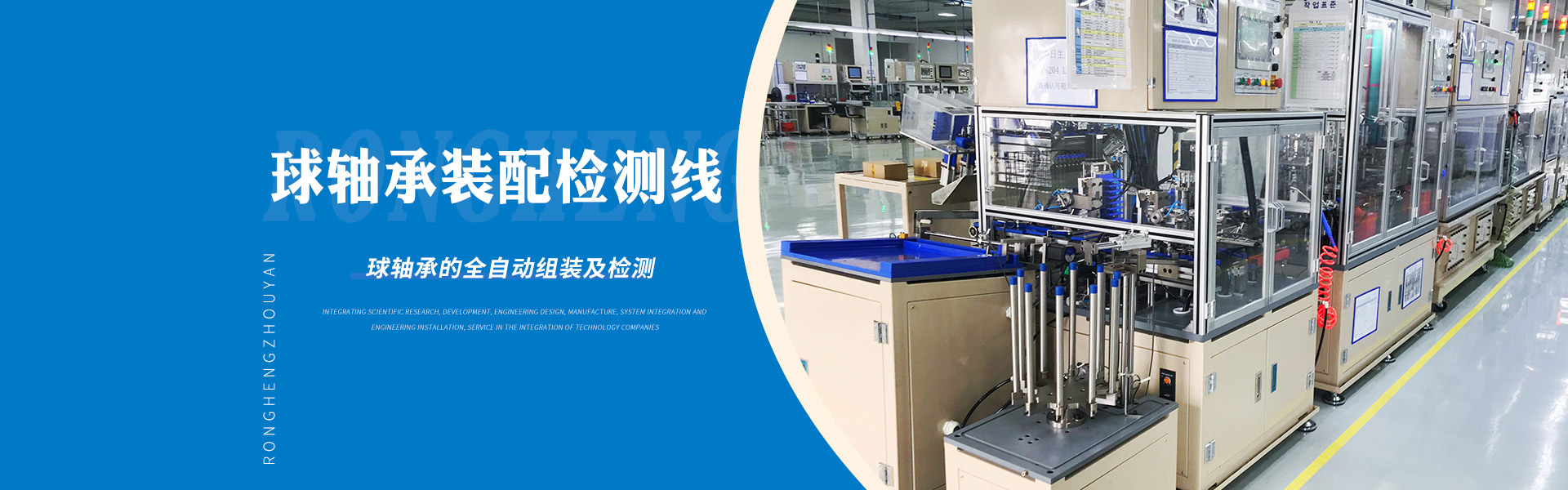
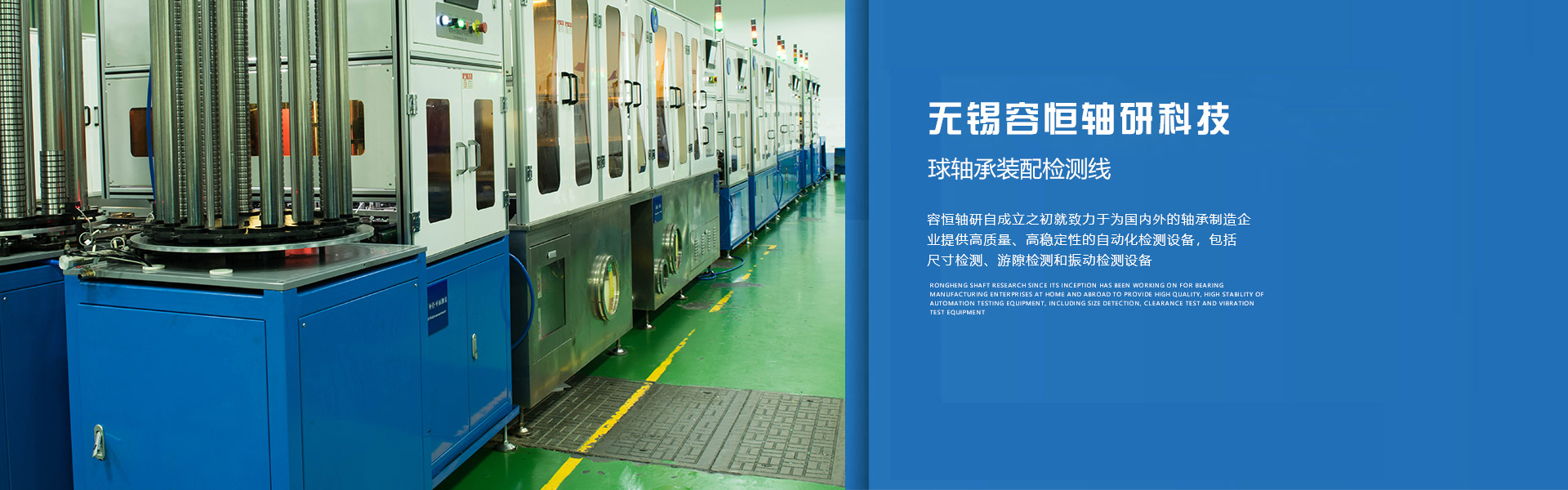

Wuxi Rongheng Axle Research Technology introduces the assembly direction of the angular contact ball bearing assembly line.
How to Distinguish Between the Front and Rear of Angular Contact Ball Bearings
The outer race of a ball bearing is typically thinner on the front side, while the back side is thicker. If the bearing features a "<" marking, the slanted angle points towards the back, and the open end faces the front.
The distinction between angular contact ball bearings in a right-hand and left-hand configuration depends on the installation method. The tightness or looseness of the mating surfaces immediately affects the bearing clearance dimensions, thereby impacting the precision of bearing operation and its lifespan.
Two: Installation Methods for Angular Contact Ball Bearings - Front and Rear
1. Positive Direction Installation (Zero/Distance Installation)
Edges are wide on the outside, ultra-narrow on the inside, another ultra-narrow inside, wide edges on the outside, meaning the narrow end faces the narrow inner hole, resulting in zero-distance contact. During installation, the bearing's contact foot lines converge towards the rotational centerline, with a smaller support angle stiffness. Because the inner hole of Harbin Bearing extends outward, and the outer rings of the two bearings are clamped together, the initial clearance of the outer rings is cleared, which can enhance the preload of the bearing.
The method's shaft system is simple in construction, easy to assemble, disassemble, and adjust. However, the shaft's thermal expansion can reduce the radial clearance of the bearing, and even cause it to bind.
Angular Contact Ball Bearing Assembly Line
2. Reverse Installation (Back-to-Back Installation)
Edges are narrow on the outside, wide on the inside, and another wide inside, ultra-narrow on the outside; the wide end matches the wide inner hole, forming a back-to-back contact. During installation, the bearing's contact foot line extends along the direction of the rotational centerline, enhancing the stiffness of its axial and radial support angles. It provides a bearing with relatively high stiffness and can withstand overturning moments. It is crucial to master the side clearance adjustment method for angular contact ball bearings during installation, as the thermal deformation of the shaft will expand the radial side clearance of the bearing. The reversed structure is more complicated, and the process of assembly, disassembly, and adjustment is麻烦.
Three: Installation Regulations for Thrust Ball Bearings - Sides
The mating of ball bearings with angular contact on both sides should be clearly defined based on the type, specification, load, rotational speed ratio, and whether the inner and outer rings are rotating for Wafangdian bearings.
2. Angular contact ball bearings are standard components, with the fit between the race and the motor shaft using a basic hole system, and the fit between the outer race and the housing bore using a basic shaft system. When the rotational speed ratio of the rotating throw race is higher, the load and vibration are greater, and there is a significant change in operating temperature, an interference fit should be chosen.
3. The inner hole of the angular contact ball bearing typically fits too tightly with the uranium neck. A press can be used to push the bearing onto the motor shaft by moving the inner ring upwards.
4. Large-sized angular contact ball bearings can be preheated for hot fitting by submerging them in oil at a temperature of 80°C to 120°C.
5. Disassembly and assembly of angular contact ball bearings require the use of specialized disassembly tools. To facilitate the disassembly of the bearings, the inner hole should be exposed with a high aspect ratio, or slots should be cut on the shaft shoulders to accommodate the hook head of the specialized disassembly tool.
Wuxi Rongheng Axis Research Technology Co., Ltd. specializes in the customization and development of automation equipment and management systems, integrating scientific research and development, engineering design, manufacturing, system integration, engineering installation, and service into a comprehensive technology company.
