



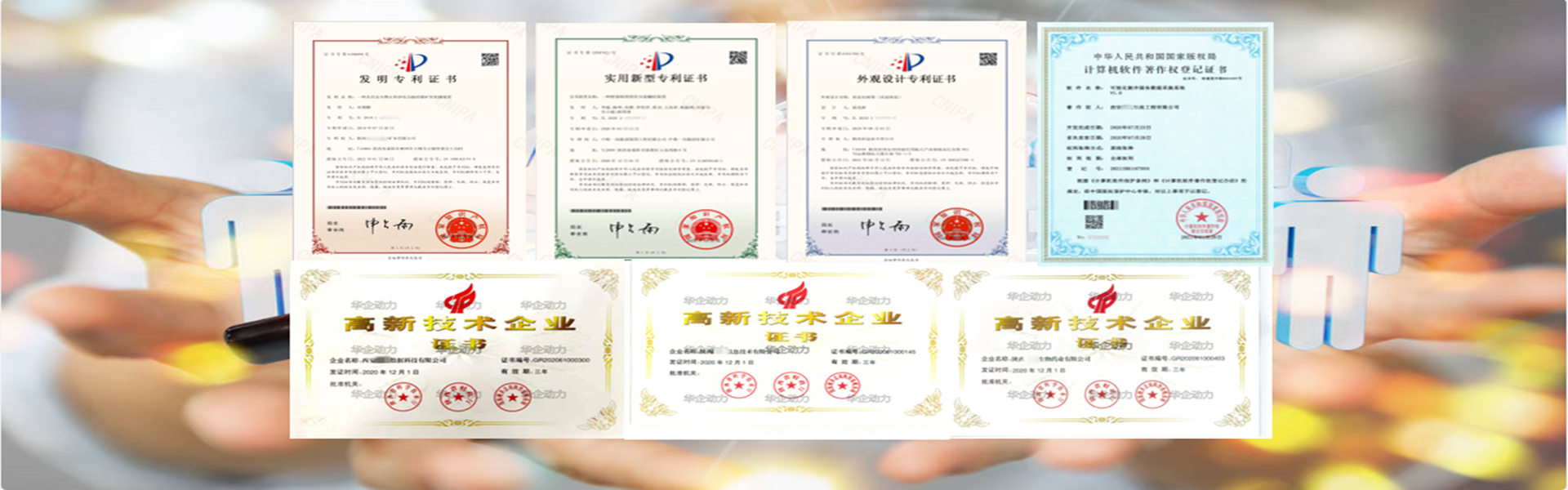


 通过中商114认证
The right to apply for a patent refers to the authority of the rights holder to decide whether or not to file a patent application and how to proceed with the application after the invention or creation is completed. For instance, the rights holder may opt not to apply for a patent and instead protect their invention or creation through technical secrets; or they may choose to file a patent application for their invention or creation, with the right to decide on the type of patent to apply for and the regions or countries to file in.
Patent application rights refer to the right of the patent applicant to decide whether to proceed with the patent application process after submitting a patent application to the Intellectual Property Office, including whether to transfer the patent application. For instance, the patent application rights holder can choose to withdraw the patent application or transfer it to another entity or individual.
Patent rights refer to the exclusive rights granted to the patent holder after an invention is patented, including the right to prohibit others from practicing the patented invention, to license others to practice it, and to transfer or pledge the patent rights to others.
The above concept illustrates that the rights to apply for a patent, patent application rights, and patent rights are interconnected yet distinctly different. They are terms used to describe the legal status of an invention at different stages. Before the invention is proposed for a patent application, it is referred to as the right to apply for a patent; before the invention is granted, it is called patent application rights; and after the invention is granted, it is known as a patent right.
Generally, the rights to apply for a patent, the right to patent application, and the patent right are all held by the same individual. However, in cases of rights transfer, the three rights holders are not the same person.
