Wastewater Recycling in Reverse Osmosis Equipment: Cleaning Management Practices
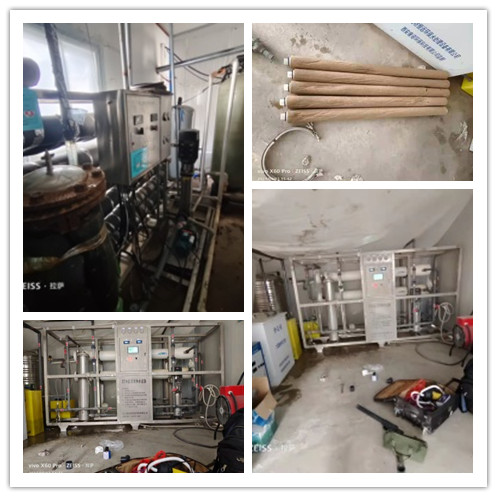
Regular low-pressure flushing of reverse osmosis equipment, as stipulated by maintenance regulations, is beneficial for removing dirt adhered to the reverse osmosis membrane, thus maintaining the stable performance of the membrane. The primary function of low-pressure flushing in reverse osmosis equipment is accomplished through the selective permeability of the reverse osmosis membrane, with the operation requiring the application of a certain pressure to filter colloids through the membrane. Below is the cleaning management method for wastewater reuse in reverse osmosis equipment.

Due to production reasons, reverse osmosis equipment often requires shutdown, which can impact the performance of the reverse osmosis membrane. In severe cases, this can lead to irreversible performance loss. During short-term shutdowns, low-pressure flushing can be used to mitigate the effects. It's important to note that the water temperature for flushing should not be too low, as this can damage the reverse osmosis membrane and cause membrane degradation. For long-term shutdowns, cleaning and protective work with a disinfectant is necessary.


通过中商114认证