


 通过中商114认证
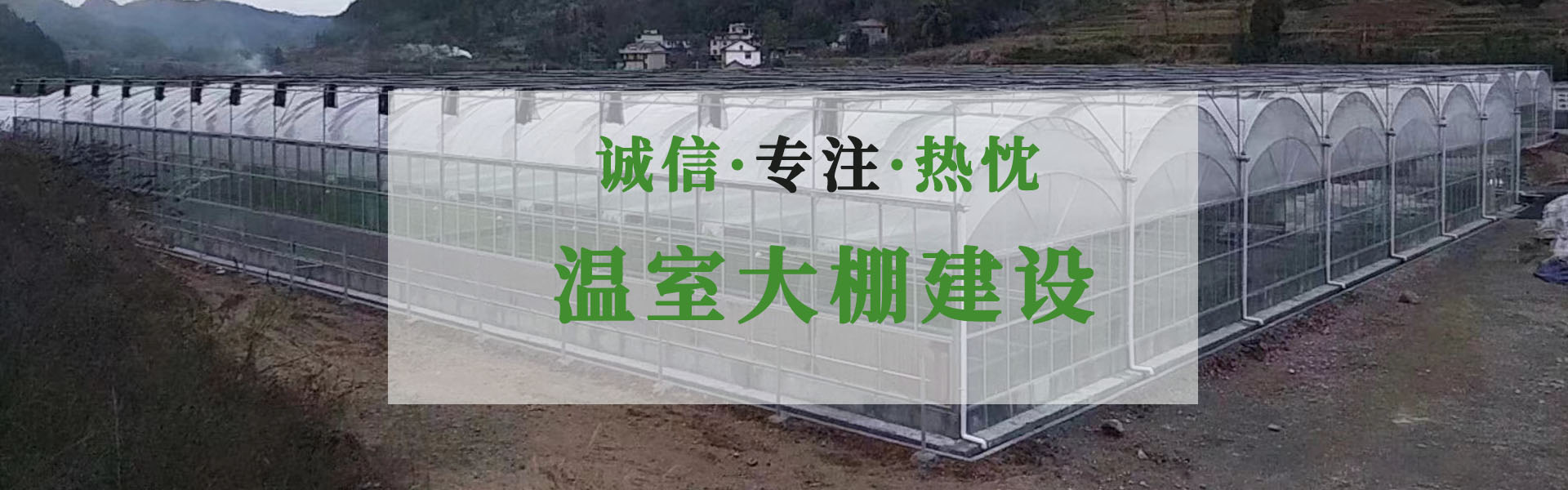
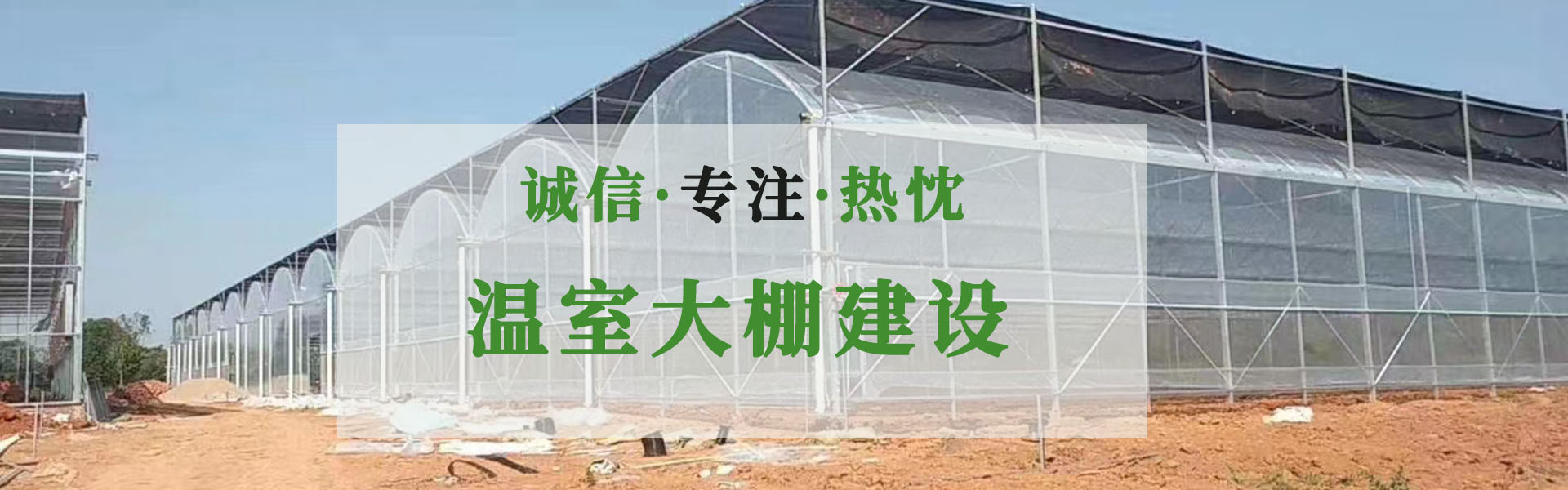
As modern agriculture continues to evolve towards a more technological direction, China's support for modern agriculture is increasing, and our country's greenhouse production technology is also improving. With the emergence of sunlit greenhouses, traditional plastic film greenhouses are gradually being phased out due to their high costs and short lifespan. What are the advantages of sunlit greenhouses?
1. Excellent light transmittance
It belongs to the lighting architecture category and must have good light transmission during greenhouse construction. Light transmission rate is a fundamental indicator for evaluating greenhouse transparency; it refers to the percentage of light entering the greenhouse compared to the outdoor light. The greenhouse light transmission rate is influenced by the transparency of the greenhouse film and the shading rate of the greenhouse structure. Additionally, the angle of light radiation varies with different seasons, causing the greenhouse light transmission rate to fluctuate continuously.
The transmittance of the greenhouse directly affects crop growth and influences the selection of crops in different regions. This greenhouse has a transmittance comparable to glass, with the transmittance even reaching over 85%.
2. Excellent thermal insulation properties
The thermal insulation performance of a solar greenhouse is crucial for enhancing production efficiency and serves as a basic indicator for evaluating its insulation capabilities. Improving the greenhouse's thermal insulation can reduce energy consumption and provide an optimal growth environment for crops. The insulation rate is the sum of the area covered by low thermal resistance transparent materials and the area covered by high thermal resistance protective structures; the lower the insulation rate, the poorer the greenhouse's thermal insulation. Due to its unique hollow structure, the greenhouse has superior thermal insulation performance, playing a significant practical role in greenhouse engineering.
3. Excellent durability
When constructing greenhouses, durability should be a top consideration. Traditional film greenhouses typically have a lifespan of about one year, but high-quality options can last up to ten years, significantly helping customers save on both time and labor costs for covering materials.
4. Anti-condensation feature
The Sunlight Greenhouse, in addition to its features like light transmission, thermal insulation, UV protection, and shock resistance, also features a condensation drip layer at the bottom. This layer provides a natural water dispersion effect, causing the surface tension of the flat and condensed water to be greater than that of the air, leading to uniform condensation of water into small droplets that slide down the slope towards the edges. It can prevent damage to plants within the greenhouse and enhance the greenhouse's light transmission rate.
