




 通过中商114认证
What types of locations require excavation barrier installations?
(1) During the phased construction of the staircase, temporary guardrails must be installed along the edges of the steps. The top stairwell should be equipped with either permanent guardrails or temporary ones as the construction progresses. Additionally, a handrail should be set on one side of the steps to serve as a temporary guardrail.
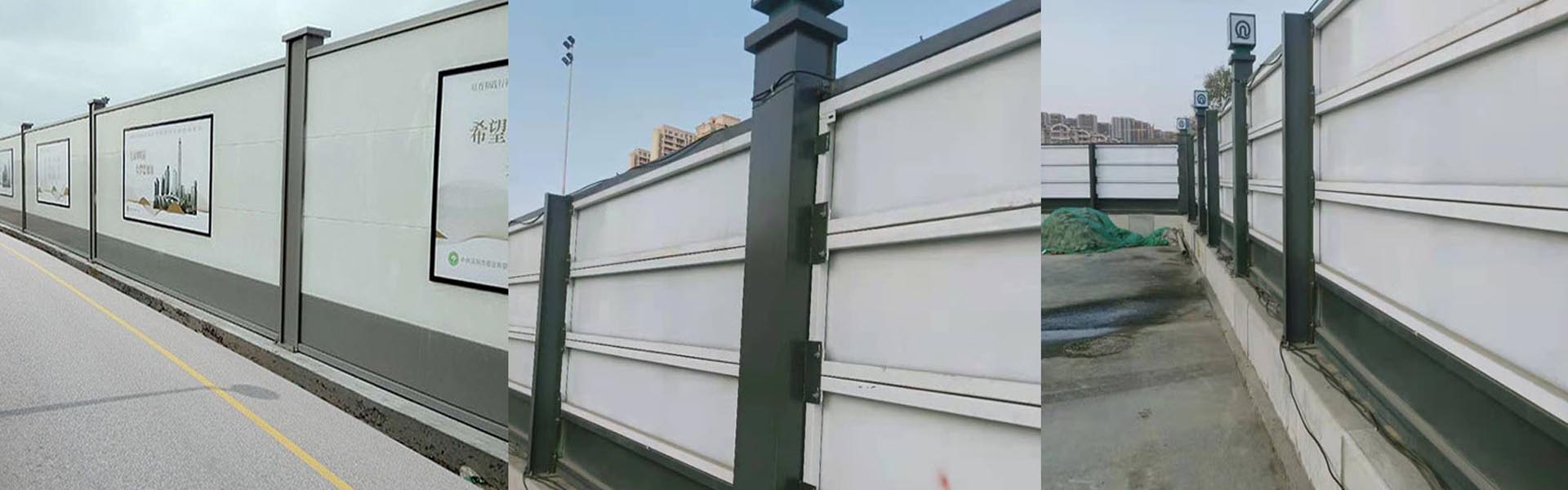
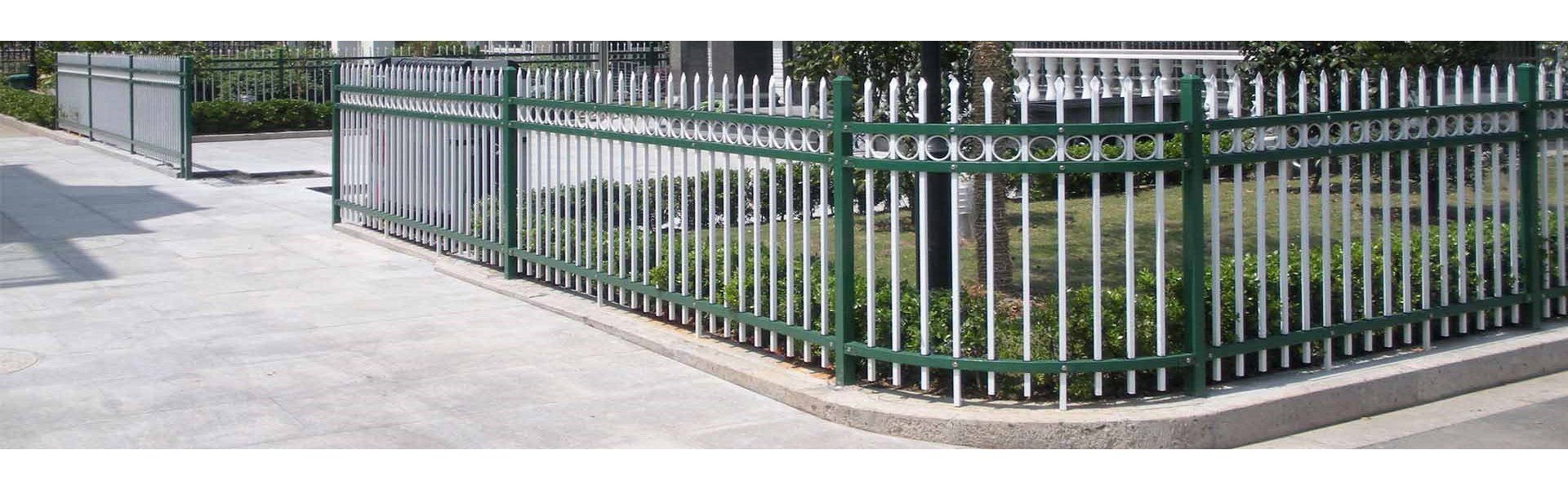
(2) Around the excavation pit, balconies without dismantled guardrails or barriers, around material platforms and various platforms, at the edges of canopies and eaves, around the roofs without central support legs, and around water tanks and water towers, protective railings must be installed. Excavation pit guardrails are commonly used on construction sites for trenching, separating the construction area from pedestrian and vehicle pathways, and serving as a safety warning. As a protection around the trench, the guardrails temporarily enclose the pit for better construction convenience. Daily, excavation pit guardrails are typically available in alternating white and black or yellow and black colors, providing clear signage and effectively serving as a barrier indicator.
(3) Vertical transportation equipment, such as derricks and construction elevators, and the sides of the passageways connecting to buildings, must also reduce the installation of guardrails. The lower part of the guardrails must also reduce the installation of toe boards or bamboo matting or metal mesh sheets. The top of the overhead passageways should have safety canopies removed. For the passageways of single-cage derricks, both left and right sections should be sealed off.
