




 通过中商114认证
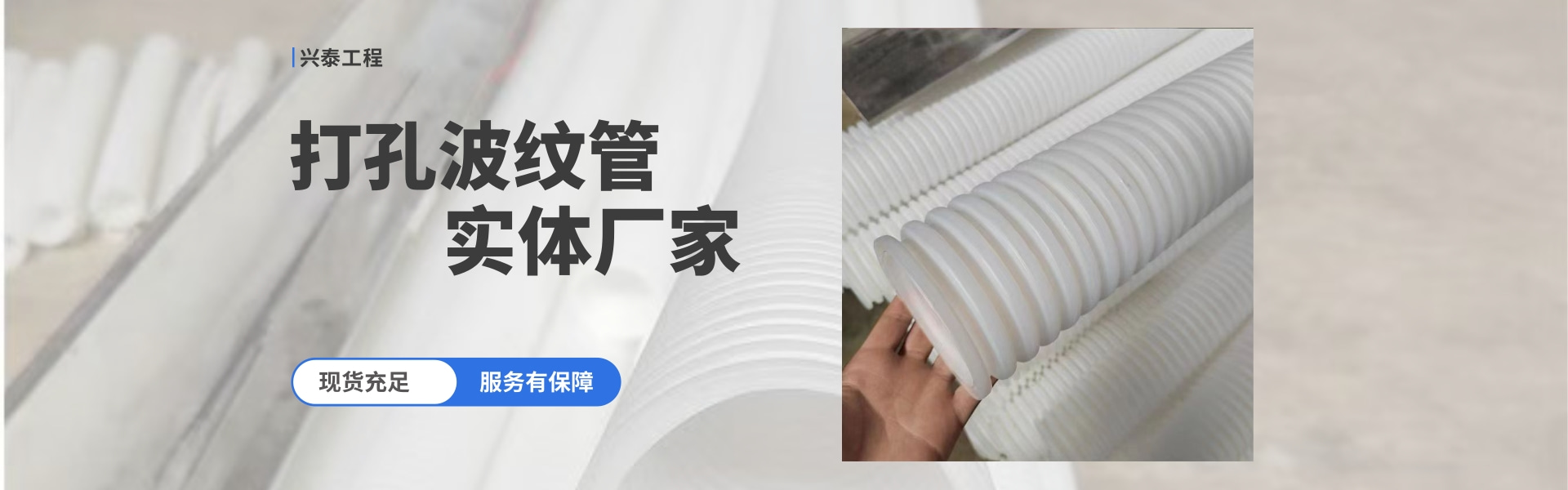
Plastic drainage blind pipes, also known as drainage culverts, plastic blind pipes, or permeable drainage blind pipes/culverts, are plastic pipes used for groundwater drainage. They are primarily made from synthetic fibers, plastics, and synthetic rubbers through various manufacturing processes. Plastic drainage blind pipes offer multiple advantages, including lightweight, easy to cut, convenient for construction and installation, high compressive strength, long service life, and effective drainage performance.
The primary function of plastic drainage blind pipes is to collect groundwater and discharge it into drainage channels or treatment systems, preventing groundwater accumulation and damage to buildings, roads, and other engineering facilities. Additionally, they can help alleviate the burden on the drainage system during heavy rains and severe weather conditions, enhancing drainage efficiency and thereby reducing the occurrence of ground flooding.
Plastic drain pipe blind sections are commonly made from materials such as polyethylene, polyvinyl chloride, or fiberglass, which offer lightweight, corrosion-resistant, easy-to-process properties, and cost-effectiveness. They also possess certain compressive and tensile strengths, meeting the requirements for groundwater drainage. Additionally, plastic drain pipe blinds typically exhibit good permeability, effectively draining groundwater and preventing soil collapse.
In summary, plastic drainage pipe covers are a crucial material in drainage engineering, widely used in road shoulders, sidewalks, and around buildings for drainage projects. When selecting and using plastic drainage pipe covers, it is essential to choose based on specific engineering requirements and pay attention to their installation and maintenance to ensure their proper operation and long-term use.
