



 通过中商114认证
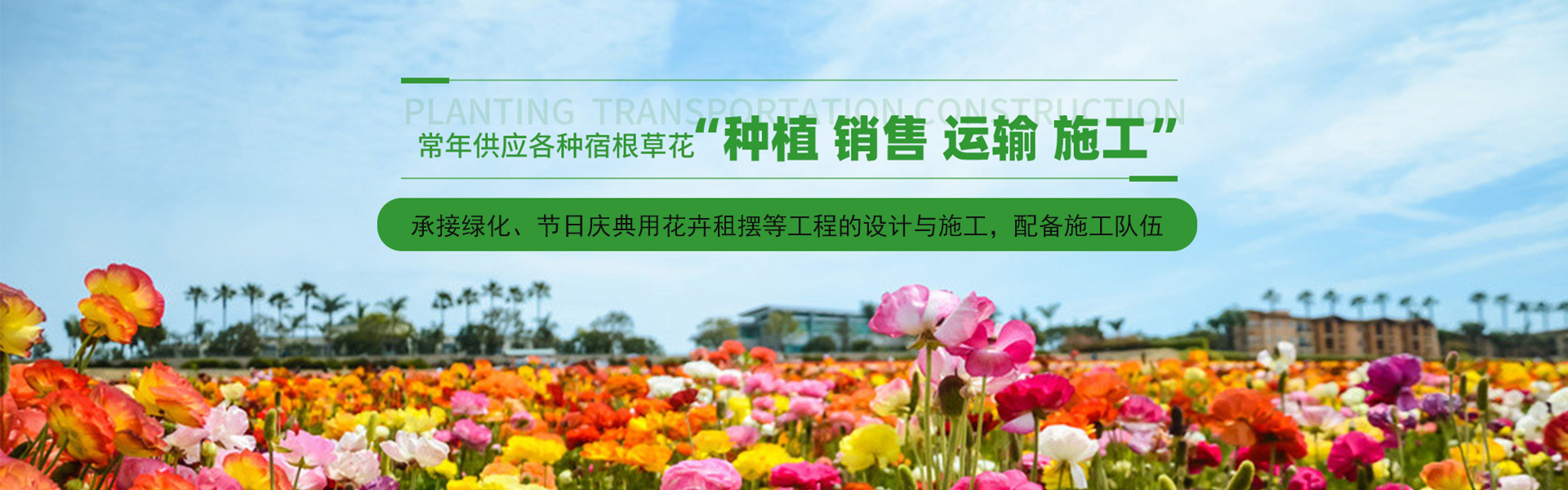
Perennials are those flowering plants whose underground parts can overwinter in the soil, regrow and bloom again on the above ground parts in spring. The advantages of perennials are their simplicity in propagation and management, as they can bloom for years after a single planting, making them highly suitable for urban greening and beautification. Their underground parts overwinter without forming large bulbs or tubers, and they can sprout and bloom again in the following spring, continuing to flower for many years. Most perennials belong to cold-region ecological types and can be divided into two main categories: those that are more cold-tolerant and those that are less cold-tolerant. The former can be planted outdoors, while the latter require greenhouse cultivation. Reproduction is mainly done by division, usually during the dormant period. Plants with fewer new buds can be propagated by cuttings or grafting, while sowing is more commonly used for breeding new varieties.
The characteristics of herbaceous perennials are:
Broadly applicable, it can be widely used in greening projects such as garden landscapes, courtyards, roadside, riverside, and slope areas.
2. One planting can be enjoyed in multiple locations, offering convenience, economy, and the ability to save a substantial amount of labor and materials.
Most varieties are not stringent in their environmental requirements and can be managed with a more relaxed approach.
4. A wide variety with diverse plant heights, flowering periods, and colors, offering a long-lasting display of rich and vibrant hues.
Many varieties possess strong capabilities for environmental purification and resistance to pollution.
6. Some varieties are excellent materials for cut flowers, potted flowers, and dried flowers.
