



 通过中商114认证

Translucent roofing is a material used for architectural lighting, sharing similarities with FRP translucent skylights. Below is a detailed introduction to translucent roofing:
I. Definition and Ingredients
Transparent tiles typically refer to building materials in the shape of tiles, made from materials such as polycarbonate (PC), PVC (polyvinyl chloride), and FRP (fibre-reinforced plastic), which offer high transparency.
Polycarbonate Transparent Sheets
The primary component is polycarbonate resin. Polycarbonate is a high-performance thermoplastic engineering plastic with excellent optical properties, high strength, and good toughness. Its light transmission rate can reach up to 88% - 90%, allowing a large amount of natural light to enter indoor spaces, and it performs outstandingly in impact resistance, up to 250 - 300 times better than ordinary glass, thus offering high safety.
PVC Transparent Roofing Sheets
The primary component is polyvinyl chloride (PVC). It is a plastic formed by the polymerization of vinyl chloride monomers, and during the manufacturing process, it typically includes additives such as stabilizers and plasticizers. PVC transparent sheets are relatively low in price, offering some flexibility and good weather resistance, with a light transmission rate generally around 75% - 85%.
FRP Transparent Roofing Sheets
As previously introduced, it is primarily composed of high-performance coating, reinforced polyester, and glass fiber. It boasts good light transmission, strength, and weather resistance.
II. Features
Optical Properties
Transparent roofing features excellent light transmission, providing ample natural lighting for building interiors, reducing reliance on artificial lighting during the day and thus saving energy. The light transmission rates of transparent roofing vary depending on the material, but overall, they all meet the lighting requirements. For instance, in greenhouses, the sunlight can pass through the tiles evenly onto the plants, benefiting their photosynthesis.
Mechanical Properties
In terms of strength: Polycarbonate transparent sheets have high strength and can withstand certain loads, such as snow and wind pressure. PVC transparent sheets offer good flexibility, which can somewhat cushion external impacts, but their strength is relatively lower than that of polycarbonate transparent sheets. FRP transparent sheets, on the other hand, combine the reinforcing effects of glass fibers, providing good resistance to bending and stretching.
Impact Resistance: The polycarbonate transparent sheet boasts exceptional impact resistance, making it unlikely to crack upon falling objects or unexpected collisions, thereby ensuring the safety of the building's interior. This characteristic has made it widely applicable in high-security-demand environments such as the lighting zones of industrial factories and school canopies.
Corrosion resistance
These transparent panels generally exhibit excellent weather resistance. They can adapt to various climatic conditions such as high temperatures, low temperatures, humidity, and ultraviolet radiation. For instance, FRP and polycarbonate transparent panels can be used outdoors for long periods without easily fading, aging, or becoming brittle. PVC transparent panels, when added with appropriate stabilizers and UV inhibitors, can also resist the effects of climate to some extent.
III. Application Scenarios
Industrial Construction
Roof skylights and wall glazing for industrial buildings. In large factories, transparent panels effectively bring natural light indoors, enhancing the lighting conditions of the work environment while reducing lighting costs. Moreover, their excellent mechanical properties can withstand the loads such as wind and snow on the building's roof.
Agricultural Facilities
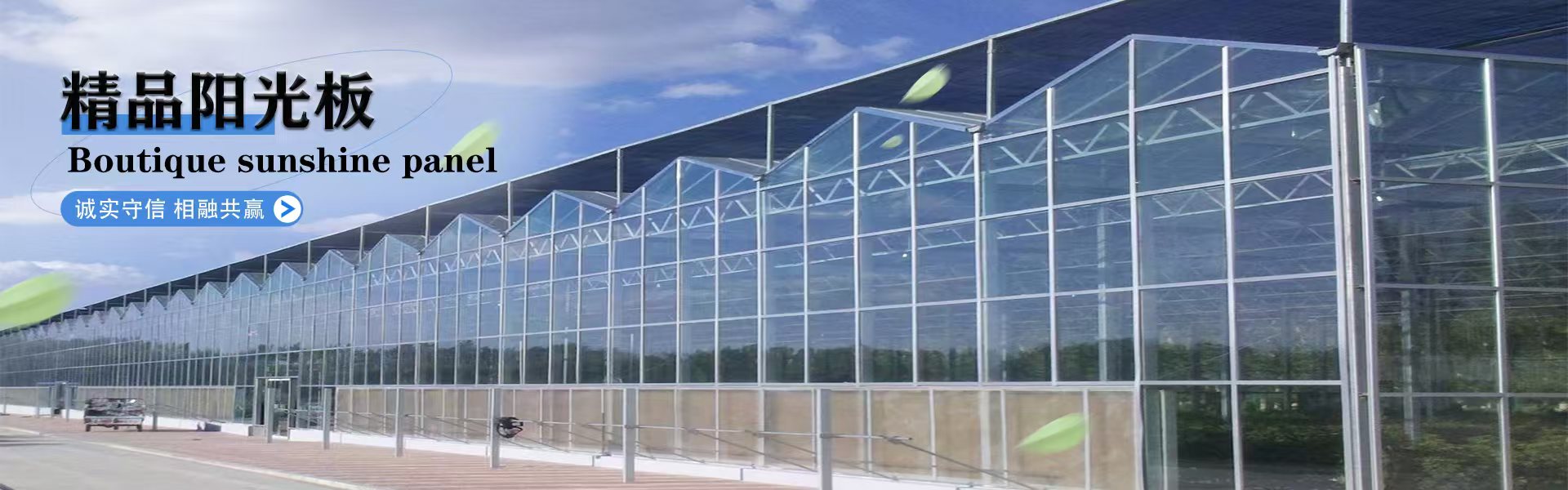
It is an ideal material for greenhouse construction. Transparent panels provide ample light for plants and can adjust the intensity of light and temperature as needed. For instance, in flower cultivation greenhouses, the transparent panels can create a suitable light environment for flower growth, promoting their growth and blooming.
Civilian Construction
Transparent roofing sheets are applied to awnings, carports, sunrooms, etc. In residential awnings and carports, these sheets offer both rain protection and light transmission. Additionally, due to their excellent impact resistance, they ensure the safety of people and vehicles below. Sunrooms can utilize these sheets to allow natural light, creating bright and comfortable spaces for residents.
Section 4: Installation Key Points
Support Structure
Before installing the transparent panels, a stable support structure, such as a steel or wooden frame, must be constructed. The spacing of the frame should be determined based on the specifications and load-bearing capacity of the transparent panels. Generally, for larger-sized transparent panels, the spacing of the support structure should be appropriately reduced to ensure sufficient support for the panels, thereby preventing deformation or damage during use.
Installation Method
There are various installation methods for transparent tiles, with common ones being overlap installation and clip installation. During overlap installation, pay attention to the overlap length and sealing treatment; typically, the longitudinal overlap should be no less than 150-200mm, and sealing glue or sealing tape should be used to seal the overlap to prevent water leakage. Clip installation requires clip accessories, inserting the transparent tiles into the clips. This method offers a more secure and aesthetically pleasing installation.
Fixed Methods
When securing fixed transparent panels, it is essential to use appropriate fasteners, such as self-tapping screws and plastic clips. When using self-tapping screws, add a rubber or plastic washer at the screw location to distribute pressure and prevent damage to the transparent panels. The spacing between screws should also be reasonable, generally no more than 300-500mm, and fasten them at the wave peaks or reinforced ribs of the transparent panels to enhance the fixing effect.
Maintain and Service
Cleaning Method
Regularly clean transparent panels to maintain their excellent light transmission. Use mild cleaners and soft cloths for cleaning, avoiding those containing strong acids, alkalis, or organic solvents, as these substances may corrode or damage the surface of the transparent panels. For stubborn stains, gently wipe with a small amount of alcohol or plastic cleaner.
Inspection and Repair
Regularly inspect the surface of the transparent sheet for any damage, such as cracks, perforations, or signs of aging and discoloration. In case of minor cracks or perforations, use sealant or plastic repair materials to make repairs. For severely damaged transparent sheets, such as extensive aging or cracking, it is advisable to replace them promptly to ensure the building's lighting and waterproofing performance.

