



 通过中商114认证

Definition and Ingredients
Polycarbonate Hollow Plates, also known as sunshine panels, are made from high-performance engineering plastic polycarbonate (PC) resin. They feature high transparency, lightweight, impact resistance, sound insulation, heat insulation, flame retardancy, and resistance to aging. These are a high-tech, energy-saving, and environmentally friendly plastic panels.
Product Features
Polycarbonate sheets typically feature a UV protective coating that effectively shields the material from UV damage, while also reducing UV harm to indoor items. For instance, using polycarbonate sheets in the skylights of a museum can prevent UV damage to artifacts.
Qualified polycarbonate sheets possess certain flame-retardant properties, meeting relevant fire safety standards. For instance, in buildings with high fire safety requirements, such as shopping malls and exhibition halls, the use of polycarbonate sheets can enhance the fire resistance of the structure.
Polycarbonate sheets effectively reduce noise, offering superior sound insulation compared to glass and other traditional materials. For instance, in building facades near major traffic routes, the use of polycarbonate sheets can minimize the interference of traffic noise.
The hollow structure of the polycarbonate sheet effectively blocks the conduction of heat. Its thermal conductivity is much lower than that of glass, for example, during summer, it can effectively block outdoor heat from entering the indoors; in winter, it can reduce the loss of indoor heat, providing excellent insulation.
Corrugated polycarbonate sheets weigh about half as much as glass, making them easier to install and requiring less structural support. For instance, using these sheets for large skylights can reduce the weight load on the roof structure.
Its impact resistance is 250 to 300 times that of ordinary glass and 30 times that of acrylic sheets. This means it is less prone to shattering when facing severe weather conditions like hailstorms, strong winds, or accidental collisions. For instance, in regions prone to hailstorms, the use of polycarbonate panels for greenhouses can effectively prevent damage caused by hail impacts.
Polycarbonate panels offer a light transmission rate of up to 89%, comparable to glass. This makes them highly effective in structures requiring ample natural light, such as greenhouses and skylights. For instance, using polycarbonate panels in agricultural greenhouses allows for sufficient sunlight to penetrate, ensuring optimal photosynthesis for plants.
Application Fields
Manufacturing various outdoor billboards, light boxes, and more. Known for their excellent light transmission and strong impact resistance, we are able to produce high-quality advertising display facilities.
Utilized in lighting strips and ventilation windows of industrial factories, this can reduce lighting costs within the factory while improving the working environment.
Skylights, canopies, curtain walls, and more for buildings. For instance, in the skylights of large shopping malls, stations, stadiums, and other structures, the polycarbonate sheets offer natural lighting while also meeting aesthetic and functional needs of the buildings.
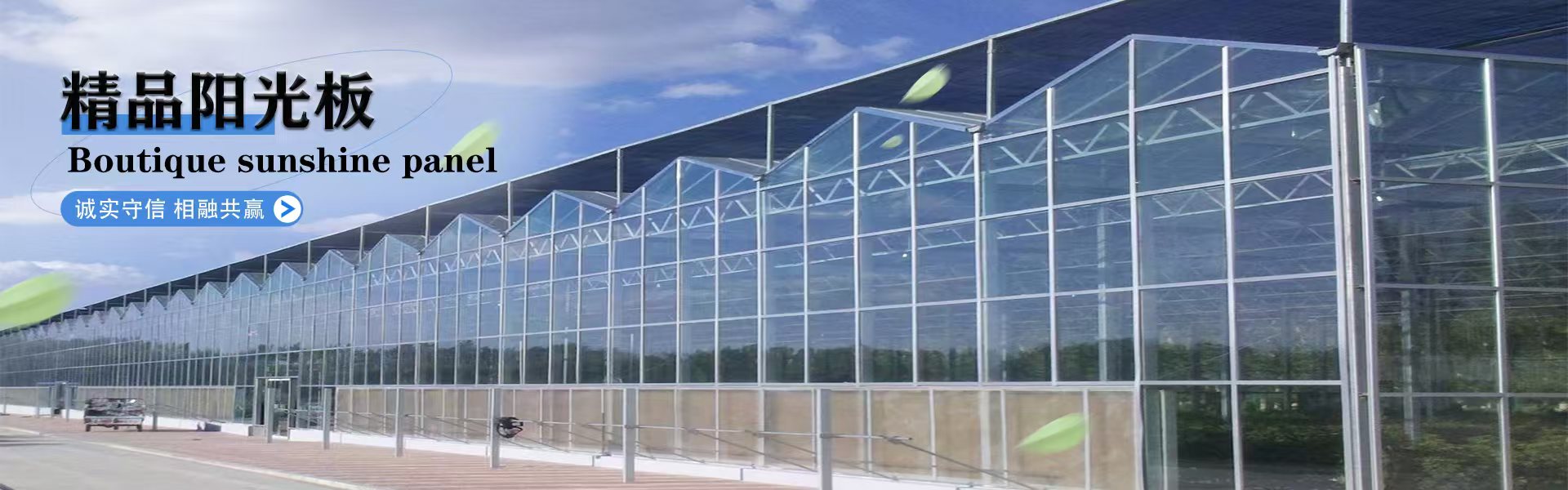
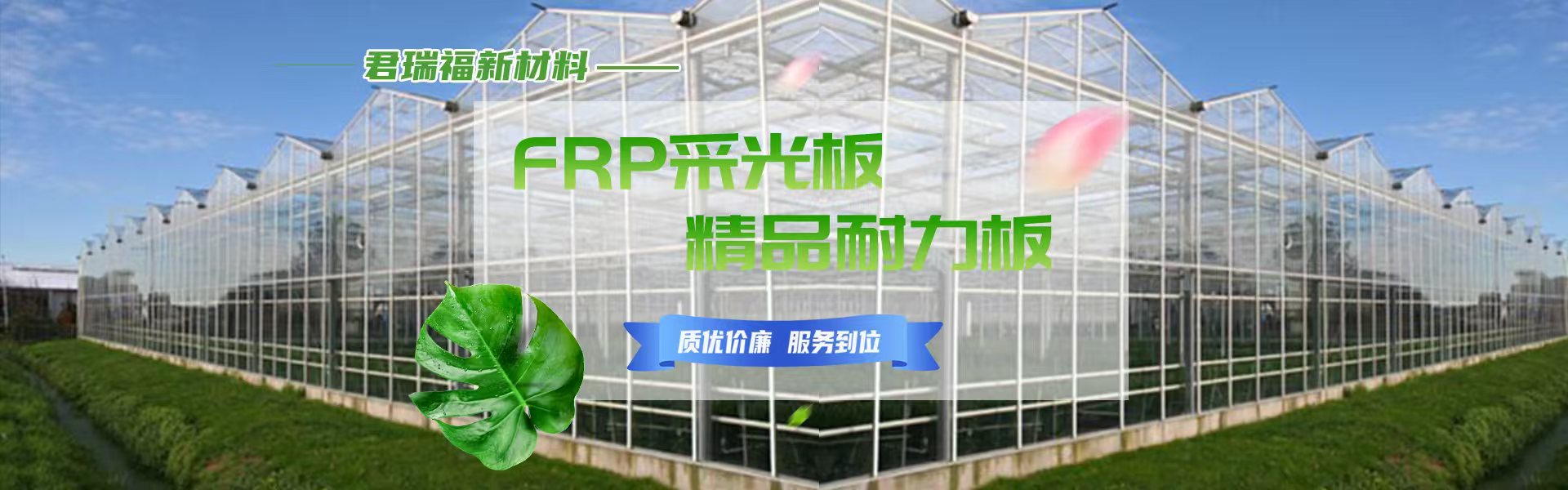
Widely applied in greenhouses, including vegetable, flower, and breeding greenhouses, it provides optimal lighting and insulation for plants and animals, enhancing agricultural productivity.
Product Specifications and Categories
Available in a variety of colors including transparent, lake blue, grass green, and milk white. The transparent polycarbonate sheet offers excellent light transmission, while sheets in other colors can serve both decorative and shading purposes according to the architectural design or usage scenario.
Standard thicknesses include 4mm, 6mm, 8mm, 10mm, etc. Different thicknesses are suitable for various application scenarios, generally speaking, the thicker the material, the higher the strength.
We offer double-layer, triple-layer, and quadruple-layer polycarbonate panels. The more layers, the better the thermal insulation and soundproofing properties, although the price is also relatively higher.
Installation and Maintenance
Regularly clean the surface of the polycarbonate panels using gentle cleaners and soft cloths, avoiding those with organic solvents to prevent surface damage. Inspect the sealant for integrity and repair any damage promptly to prevent water leakage and dust entry. Also, pay attention to the appearance of the polycarbonate panels, and take action immediately if cracks or discoloration are noticed.
When installing polycarbonate sheets, it is important to leave expansion space as the sheets expand and contract with temperature changes. Generally, a gap of 3 to 5 mm per meter should be预留. Additionally, appropriate sealing materials such as neutral silicone sealant should be used during installation to ensure effective sealing.

