
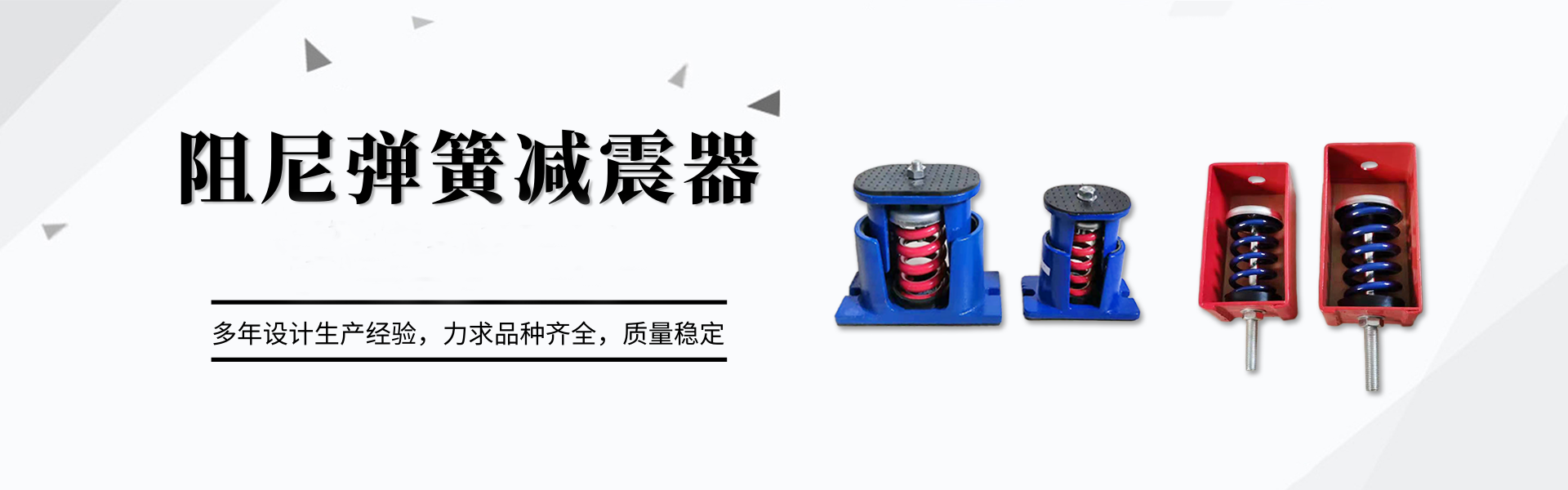
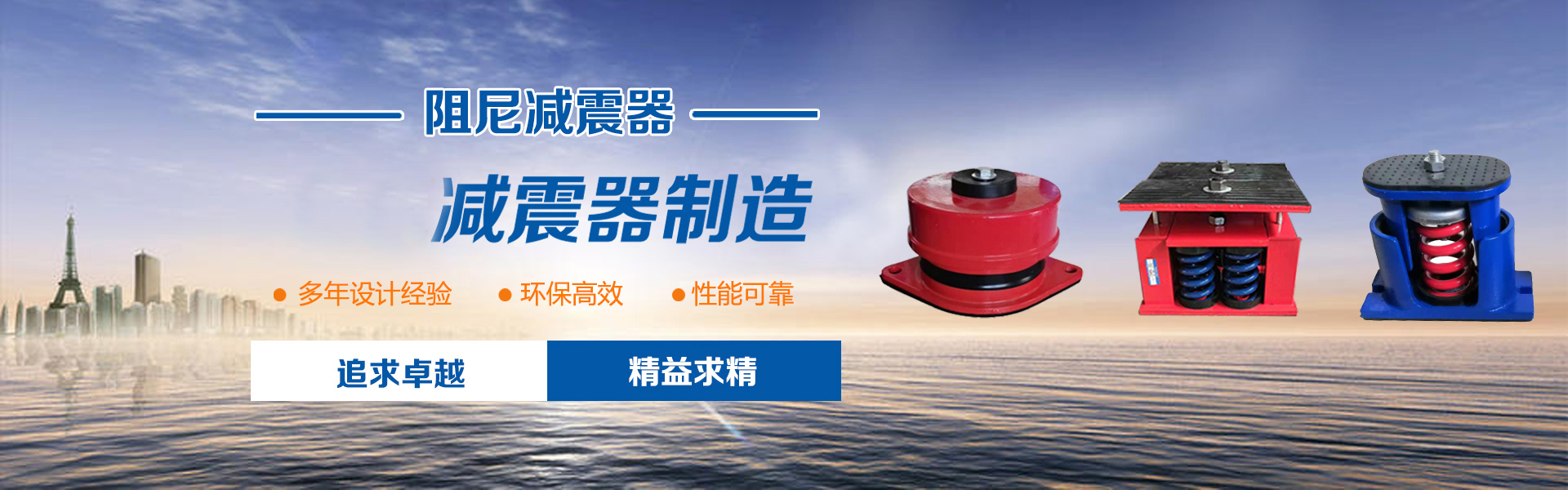


The current market research clearly indicates that shock absorber mounts are primarily used for water pumps. While other equipment such as fans and air conditioners also have some applications, they are relatively rare. Market feedback shows that 90% of customers opt for shock absorber mounts during water pump installation, demonstrating a high level of market recognition for these mounts.
Since vibration dampers are to be installed, there is an issue of selection. The correctness of the selection will affect the following issues:
1. Can the installation proceed smoothly?
Can the vibration reduction efficiency of the pump meet the standard requirements?
Is it both aesthetically pleasing and practical?
So, the selection of the shock absorber base is quite important. Summarizing the key points of selection:
1. Selection of Pump Base Types
Vibration isolation platforms are generally categorized into two types: side-supported and embedded. The choice depends on the site conditions; without special requirements, the embedded type is usually selected as it is more cost-effective than the side-supported type. If there are height restrictions on site, the side-supported type is typically chosen to address the height limitation issue. However, from a technical perspective such as vibration reduction efficiency, the difference between the two types is minimal.
2. Large-size shock-absorbing pedestal
If you opt for an integrated shock-absorbing base, the base size can be smaller or equal to the equipment foundation size. For a side-supported shock-absorbing base, the base size includes the base body and side support legs, with a total size smaller or equal to the equipment foundation size.
3. Standard dimensions for pump vibration isolation platforms
The vibration isolation platform for the pump should be larger in size than the pump base, with each side's dimension increased by 150mm.
4. Vibration pad (inertial quick) weight ratio to pump
Regarding the weight of the pump vibration isolation platform, the technical specifications in the regulations and consultant's technical specification sheets have clear provisions.
The CECS59 84 Vibration Isolation Technical Code stipulates: The weight of the inertial fast should not be less than the total weight of the pump unit, generally preferred to be 1.0~1.5 times the total weight of the pump unit.
Pump Installation Standard 16K702: The weight of the concrete vibration isolation platform should not be less than twice the weight of the equipment.
Subject to the new standards specified or to meet the technical requirements of the consultants.
General technical specifications for electromechanical advisory services are as follows:
Concrete Inertia Base
The concrete inertia base must be poured within a steel frame made from steel beams or steel channels to enhance the rigidity of the base, thereby preventing deformation, alignment errors of the driven and driving equipment, or transmission of external stresses to the equipment. The base must include height-reducing brackets, concrete reinforcement facilities, and fixed bolts for equipment installation.
b. The thickness of concrete inertia bases should be provided according to the recommendations and requirements of the equipment supplier, but it must not be less than 150mm or 1/12 of the base's length dimension. Generally, the thickness will not exceed 300mm, except in special cases.
c. Basic reinforcement requirements for concrete inertia bases must include the installation of 13mm steel reinforcing bars or angle steel strips at a height of 40mm above the base bottom, with intersections in both directions at 150mm intervals, or additional reinforcement should be added according to the actual structural conditions.
d. Unless otherwise specified, the entire weight of the concrete inertia base must be 2 to 3 times the total weight of the equipment it supports.
5. Concrete Foundation Size Definition
The size of the pump concrete foundation should be larger than the pump platform, with each side's size increment not less than 150mm; the height of the concrete foundation above the finished surface of the building should not be less than 100mm.
6. Limiter Selector
The installation of the limiter is primarily to restrict the horizontal displacement caused by the pump's vibration, but this displacement is minimal, and whether to install it largely depends on the specific requirements of the customer.
7. Calculation of parameters such as shock absorption efficiency and vibration transmission rate
By calculating these parameters, we select the shock absorber and verify if the vibration reaches resonance? Does the shock absorption efficiency meet the requirements?
8. Dynamic Return Force Calculation
The calculation of this force value primarily concerns the selection of matching vibration dampers. The correctness of the damper selection directly impacts whether the parameters such as the vibration damping efficiency of the pump meet the standards. The calculation of dynamic reaction force is relatively complex and requires parameters such as the pump's head, flow rate, and outlet value.
With the mastery of the above key points, the issue of shock-absorbing pedestal selection has been resolved.
Vibration isolation platforms at the site are typically custom-made by the construction company or fabricated on-site based on technical specifications.


