
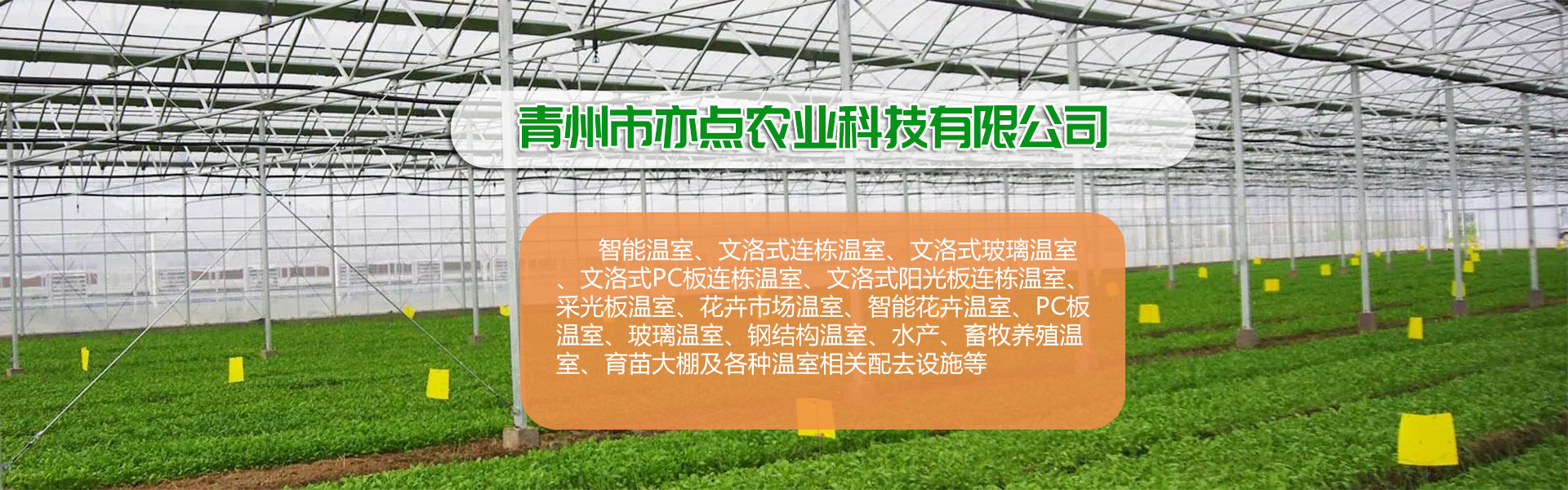

With the development of greenhouse plastic film in agriculture, it is widely used in agricultural planting. The greenhouse film, with high light transmittance, good insulation properties, and strong temperature resistance, is crucial for improving the benefits and income of crops. The characteristic of the intelligent greenhouse construction is to lower the indoor space at the top, utilizing the total land area and spacious internal structure to provide convenience for users, thereby enhancing industrial production; however, in winter, the greenhouse with its insulating and shock-resistant capabilities plays a vital role.
Let's talk about what a film greenhouse is.
The advantages of film greenhouses typically include uniform distribution of light within the room: a triangular roof with a steep pitch (i.e., spans with only a triangular roof). The high slope of the back lighting creates larger shadows within the greenhouse, which results in weaker growth of green plants in that area. A small triangular roof with a slight slope can ensure even light distribution.
Steel-framed multi-span film greenhouse construction
Under normal construction and operation conditions for steel-framed interconnected film greenhouses, the structure should be able to withstand all types of loads and deformations without being damaged; and in the event of an accident, the structure should maintain its integrity and reliability. For example, when the steel frame structure of the greenhouse is subjected to its own weight, combined loads from wind and snow, it should be sturdy and undamaged. In the event of accidents such as earthquakes or explosions, partial damage may be permissible, but the overall structural integrity must be maintained.
With the rapid development of modern agriculture, various greenhouse structures are predominantly made of steel frames, necessitating durable components. To meet the demand for longevity, during the design and production of greenhouse frames, it is crucial to ensure the thickness of the construction steel and the material's anti-corrosion effectiveness. In recent years, some small-scale greenhouse companies have offered low-priced steel frame production for greenhouses, but by using cold-sprayed zinc materials, the thickness does not meet the application standards, leading to the easy damage of load-bearing beams under snow accumulation. Bending under pressure is extremely dangerous. Therefore, when selecting steel frame structures, it is essential to ensure the cross-sectional dimensions and wall thickness of the construction steel, as well as the requirement for hot-dip galvanizing.
There's a significant difference between designing and constructing greenhouses and steel frame structures. When planning and constructing steel frame structures, their primary use is often for production workshops or warehouses, which generally meet human needs. However, designing and constructing greenhouses is a different matter. When meeting the public's expectations, it's crucial to also meet the normal requirements of green plants. If the design and construction of the greenhouse cannot meet the specified requirements of sunlight exposure, environmental temperature, humidity, and carbon dioxide concentration for green plants, then the design is considered unsuccessful.
Therefore, when planning film greenhouses, it is necessary to design a scientifically and reasonably constructed system for window ventilation, shading, and insulation to meet applicable scope regulations. In planning the roof ventilation windows, the direction and area of the windows are key design points, not to be arbitrarily designed. Additionally, considerations must be given to cooling systems after summer's high temperatures and other factors, all of which are essential during the planning process. For instance, when designing an ecological garden restaurant greenhouse, if using a polycarbonate sheet on the top, the sheet's waterproofing performance and aging resistance should be taken into account.
