


What's the difference between ordinary paper and coated paper? Qingzhou Yilin Packaging Materials Co., Ltd., a manufacturer of coated paper, invites you to take a look together:
Papers, thin sheets made from plant fibers, are used for writing, printing books and newspapers, and packaging, among other applications. Unlike paper, paper is made from animal fibers known as "cotton waste." These can be folded into sheets for writing. Paper serves as a medium for writing and printing, and can also be used for packaging, hygiene, and other purposes, such as printer paper, carbon paper, toilet paper, and napkins, etc. The invention and popularization of paper have enabled humans to no longer rely on materials like clay, stone, wood, pottery, and metal to record text or images, and have also facilitated the dissemination and preservation of a vast amount of ancient information.
The paper is generally divided into two types: flat and roll. Flat paper is mainly used for single-sheet applications, such as for printing and writing, as well as for drawing and painting. Roll paper is primarily used for continuous processing machinery, such as for rotary printing, continuous bag-making machines, and cigarette rolling machines.
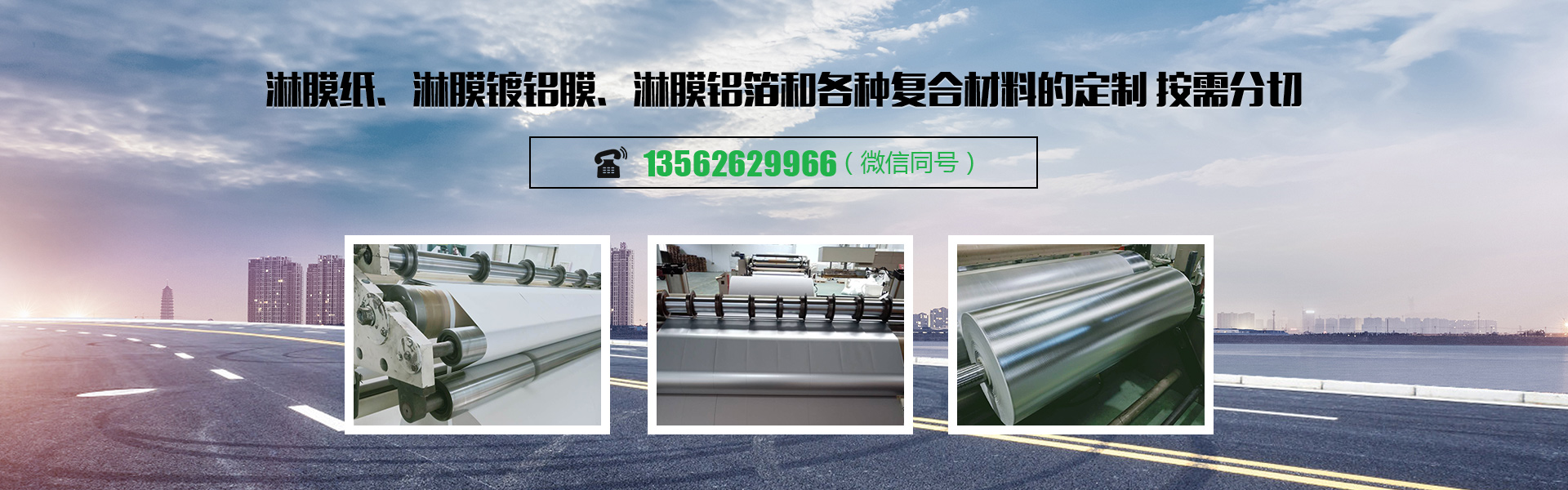
Coated paper is a composite material that involves applying plastic particles to the paper surface through a cast film machine. Its main features are that this composite material is oil and water-resistant (relative), and can be heat-sealed. Different applications utilize different characteristics: when used for hamburger packaging, it utilizes its oil-resistant properties. McDonald's has a 10-minute oil-tightness with 80-degree edible vegetable oil. When used for offset paper packaging, it takes advantage of its water-resistant properties. When used for packaging machines, it utilizes its heat-sealable properties.
