

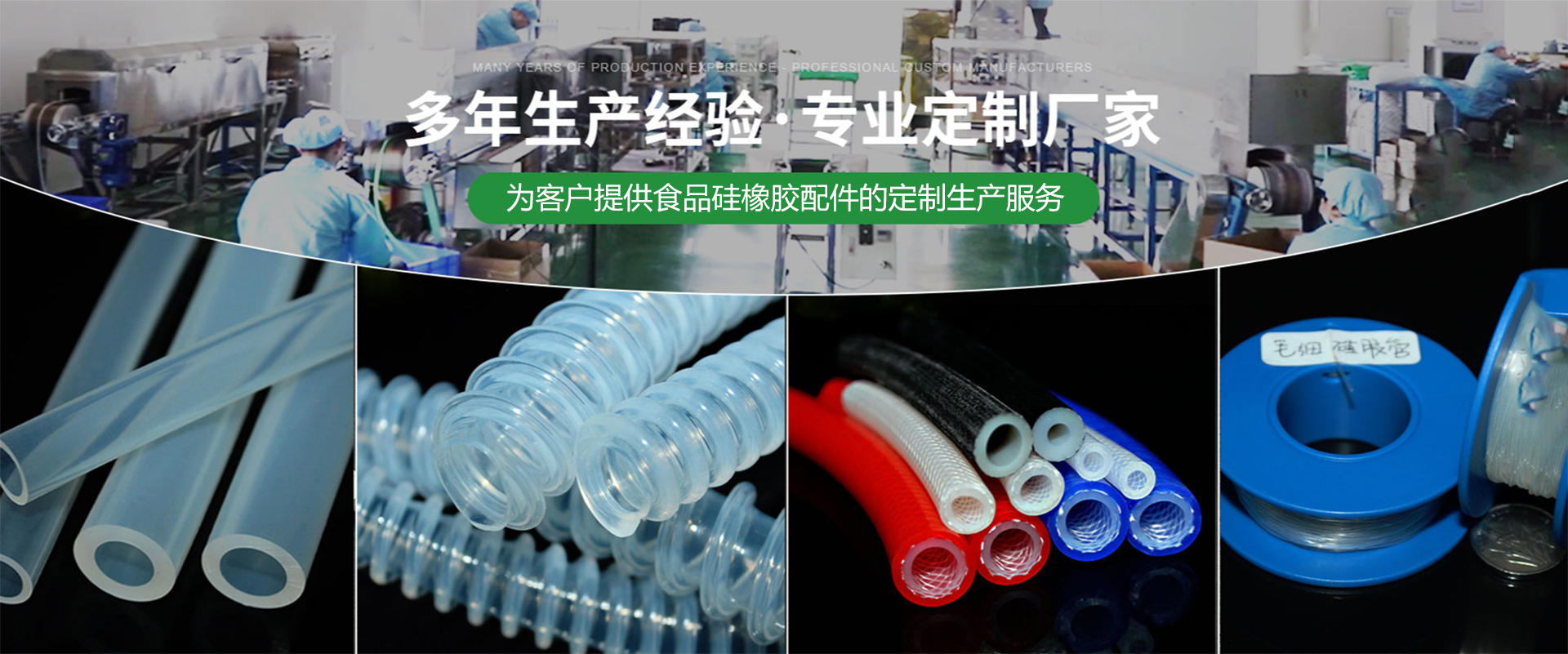
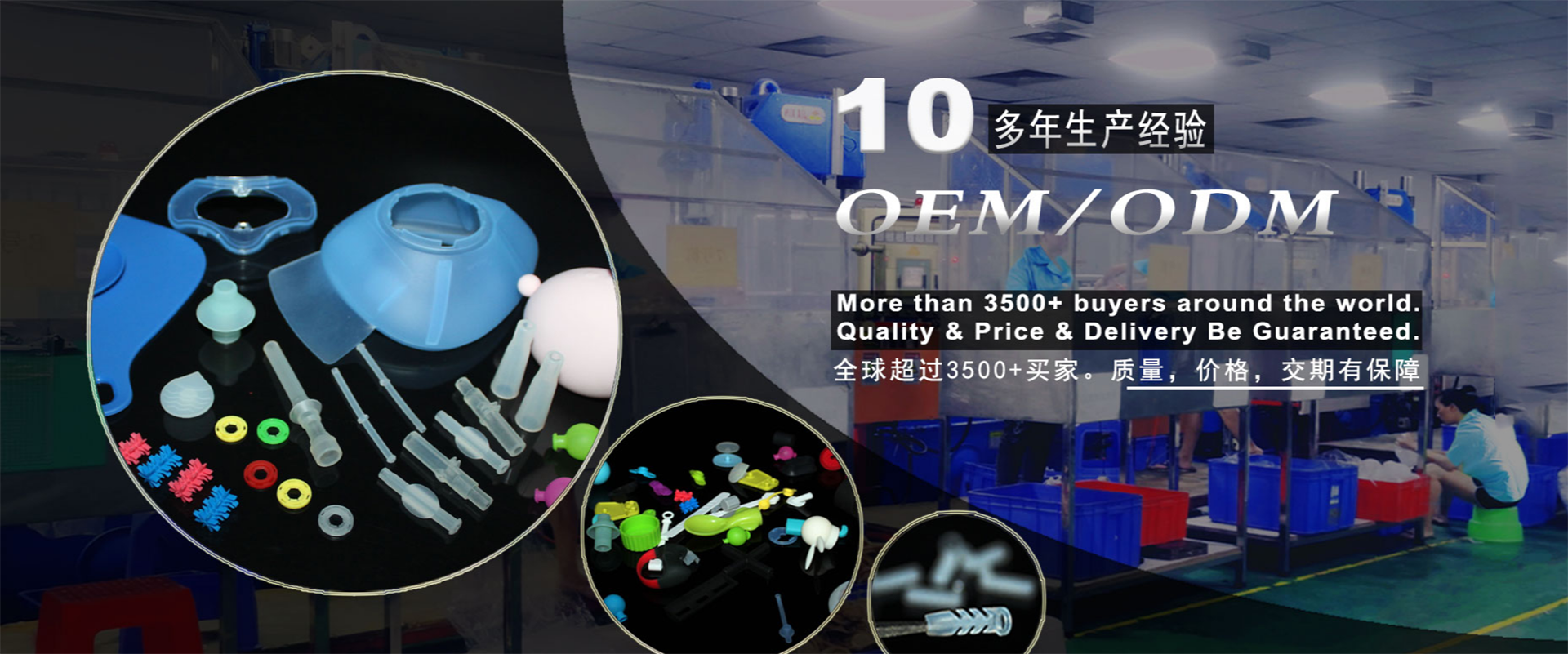
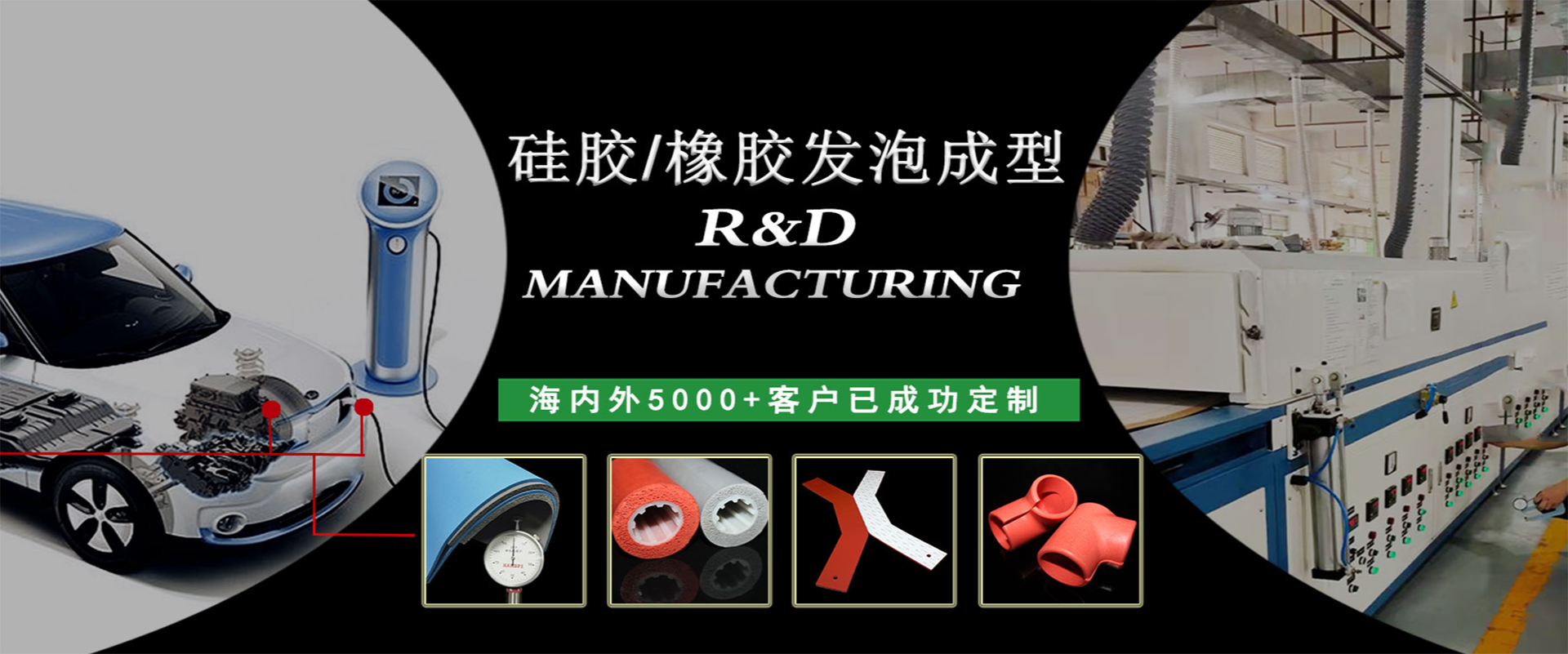


Silicone is a type of rubber. After vulcanization, silicone rubber exhibits excellent heat resistance, cold resistance, ozone resistance, atmospheric aging resistance, and good electrical insulation properties.
Silicone rubber's drawbacks include lower tensile strength and elongation at break, as well as significant compression deformation.
Parts suitable for use in high and low-temperature, sunlight, atmospheric, and ozone environments, as well as electrical insulation components.
Dimensional accuracy and recommended tolerance markings
The material of the track is an elastomer, which, compared to plastic materials, has more and more complex direct influencing factors for shrinkage, making it more difficult to achieve precision than plastic parts. This should be fully considered in the specific design, and there should be no areas requiring high precision.
If the basic size is too large and cannot meet the required precision for the design, the method of using positioning pillars and wafer deformation can be employed. In areas where size precision is required, design should allow for easy mold modification.
Etched Text and Patterns
Trademark patterns and text can be designed on silicone substrates and formed simultaneously during the molding process. The designs on the product, both in the form of characters and symbols, come in two types: convex and concave. For ease of mold processing, they are generally designed as convex.
For ease of changing labels or models, during mold design, the labeled areas can be designed as inserts. When the product model changes, simply replacing the insert in the mold cavity's labeled area can meet the label replacement requirement. As for the design of such product components, it should allow for the presence of burr remnants at the edges of the insert pieces in the labeled area.
For conductive rubber, the stroke is generally recommended to be between 0.8 to 1.5mm; the exhaust slots (also known as air pits) are designed to prevent adhesion between the button action and the PCB board.
For the touch switch, the stroke depends on the switch's own stroke (and the stroke for preventing accidental operations), as detailed later. If the substrate does not adhere to the PCB board, the air slot structure element can be omitted.
The key design has a tactile issue; different curve graphs correspond to different tactile experiences. According to experience, the tactile feel is better when (FP-FC)/FP is between 40% and 60%.
