


Someone inquired about why their productionO-ringThe product snapped when pulled, and the vulcanization time and temperature were the same as before, except for the rubber, which was purchased on an ad-hoc basis. This was the only batch of products that did not meet quality standards. Therefore, it remains unclear what the exact cause was.
After consulting with various sources, here are a few points to consider in analyzing where the issue might have originated. Since the rubber material was purchased on a temporary basis, it is highly likely that the problem is related to the rubber material itself.

1. The rubber material quality has deteriorated: It's possible that the manufacturer is using substandard rubber or material with low rubber content, resulting in poor physical properties.
2. Curing of rubber compound: Either curing too quickly, with high molding temperatures, excessive venting, or a combination of these factors, leading to premature curing in localized areas and resulting in streaks at the bonding points.
3. Wax-Containing Formula: After the rubber material is stored for one to two days, wax is released to the surface, forming a barrier at the junction, which prevents proper bonding after vulcanization.
4. Whether it's a silicone or rubber seal, different products require different levels of tensile strength, so the type of rubber material could be the reason.
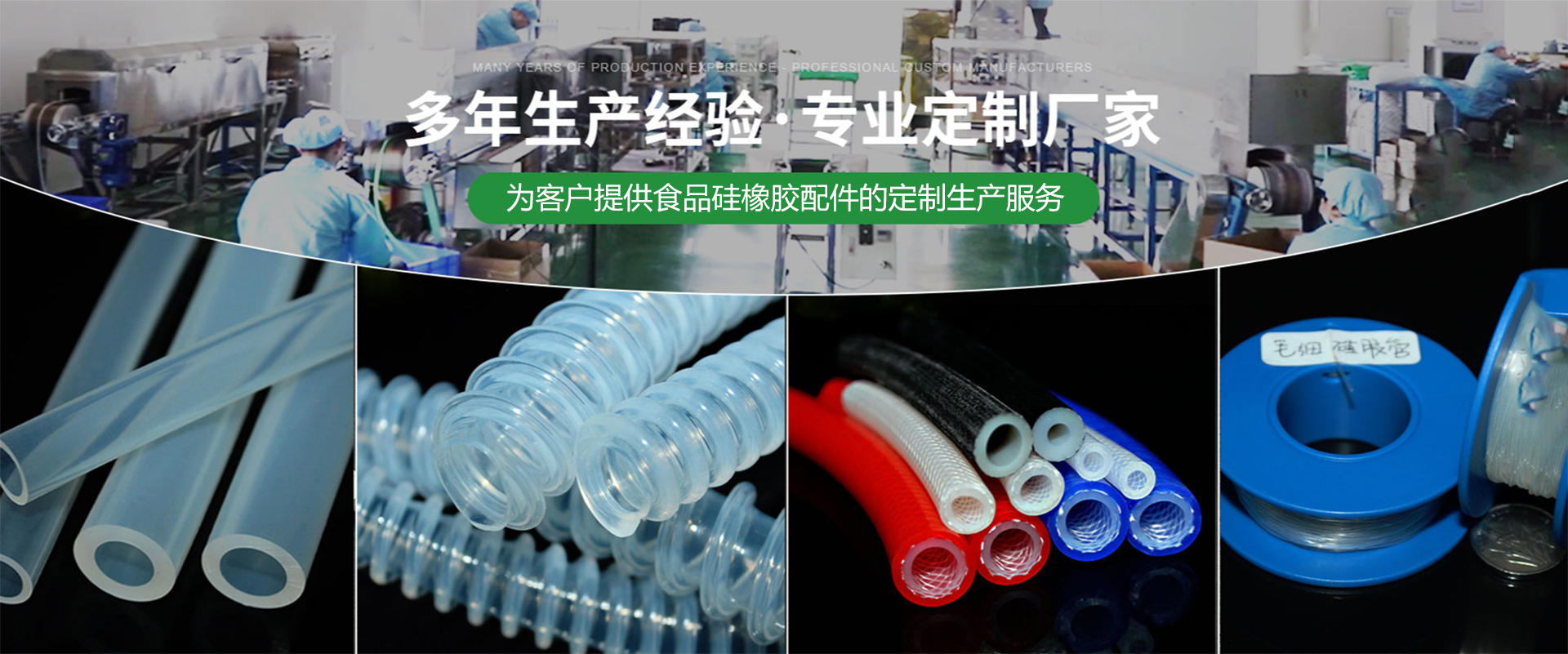
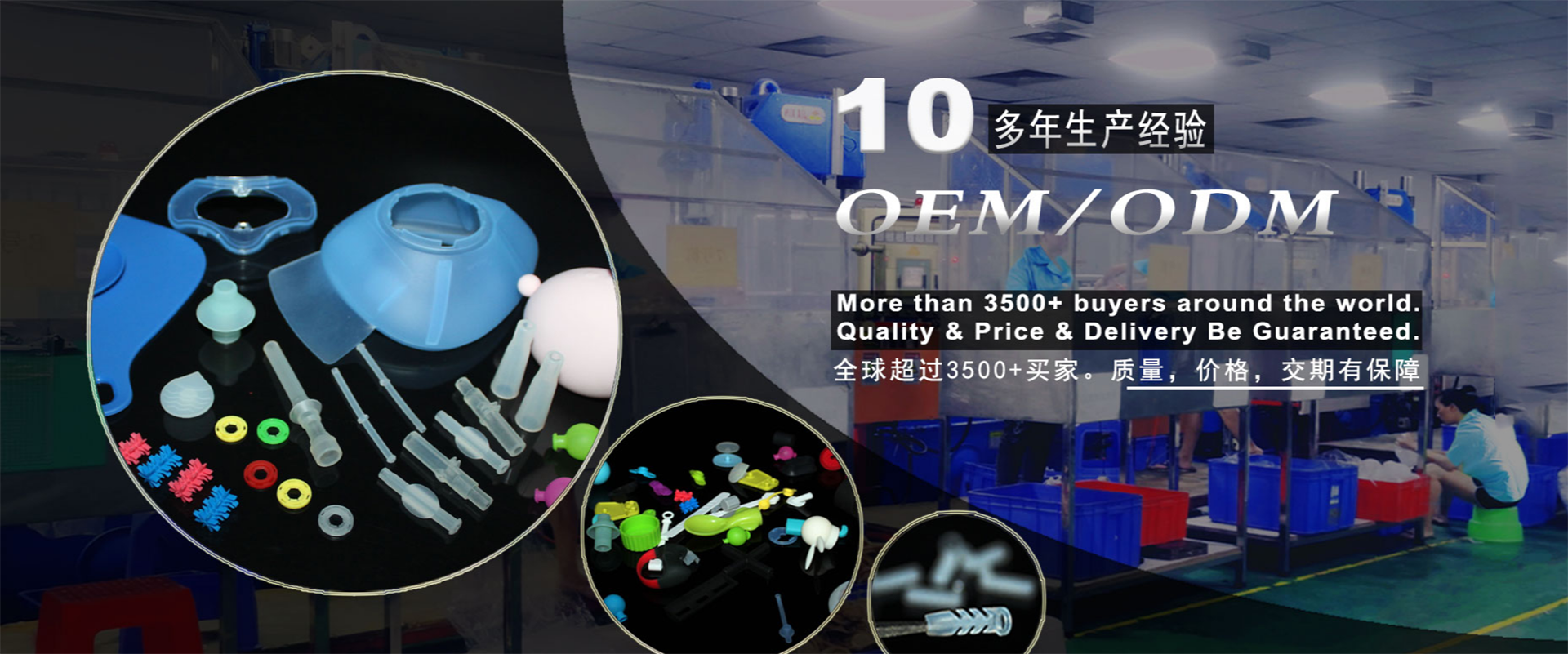
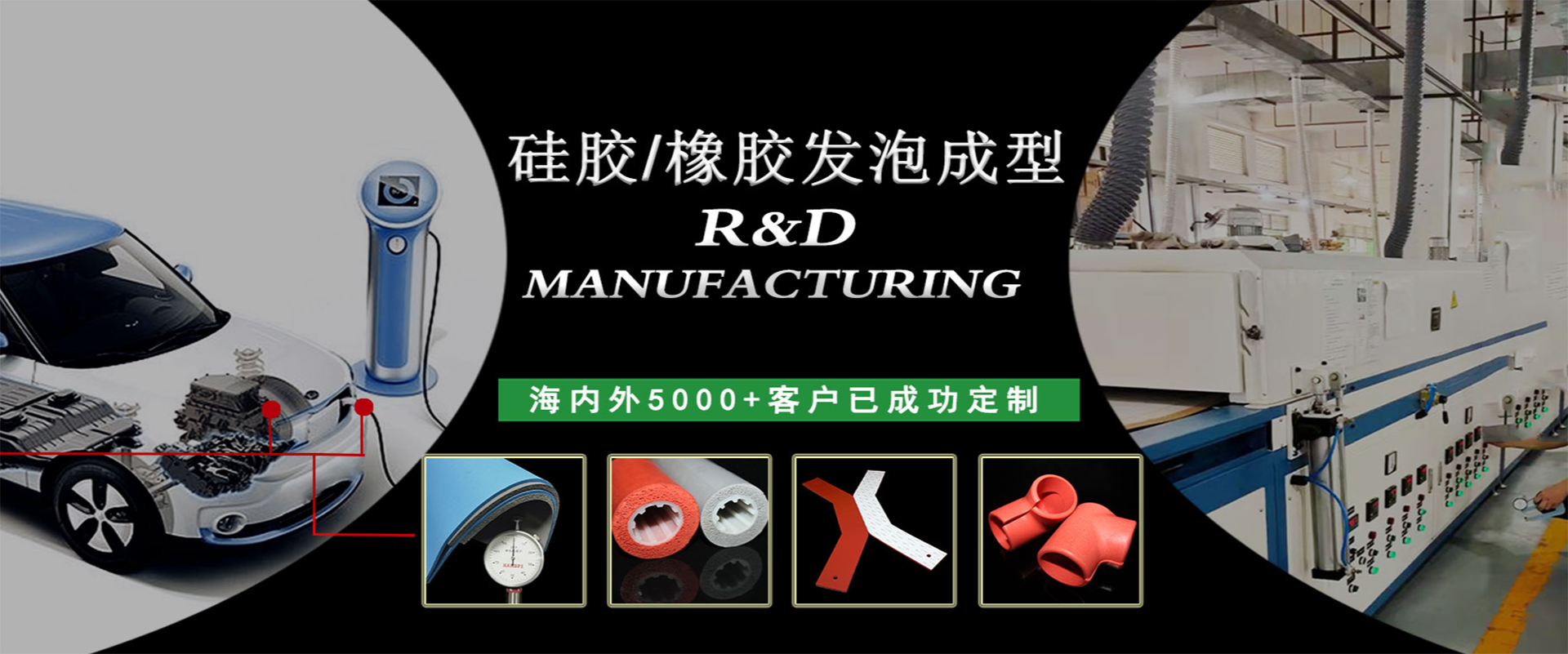
Yongle Rubber and PlasticWe have successfully passed the ISO9001 certification. Our main products include platinum silicone tubes, peristaltic pump silicone tubes, food-grade silicone molding parts, and silicone, as well as customized production of sealing components for plastic products. With a competitive strategy centered around "making better products, providing better services, and creating a better image," we continuously drive transformation and management innovation to enhance our comprehensive corporate competitiveness.
