


 通过中商114认证

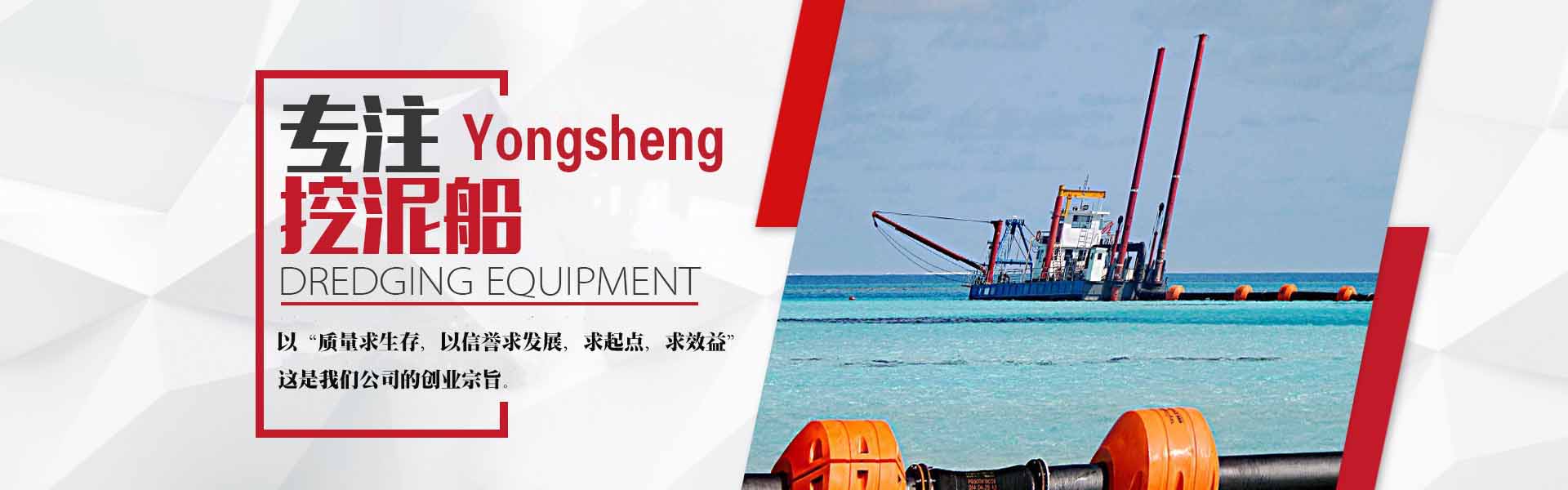
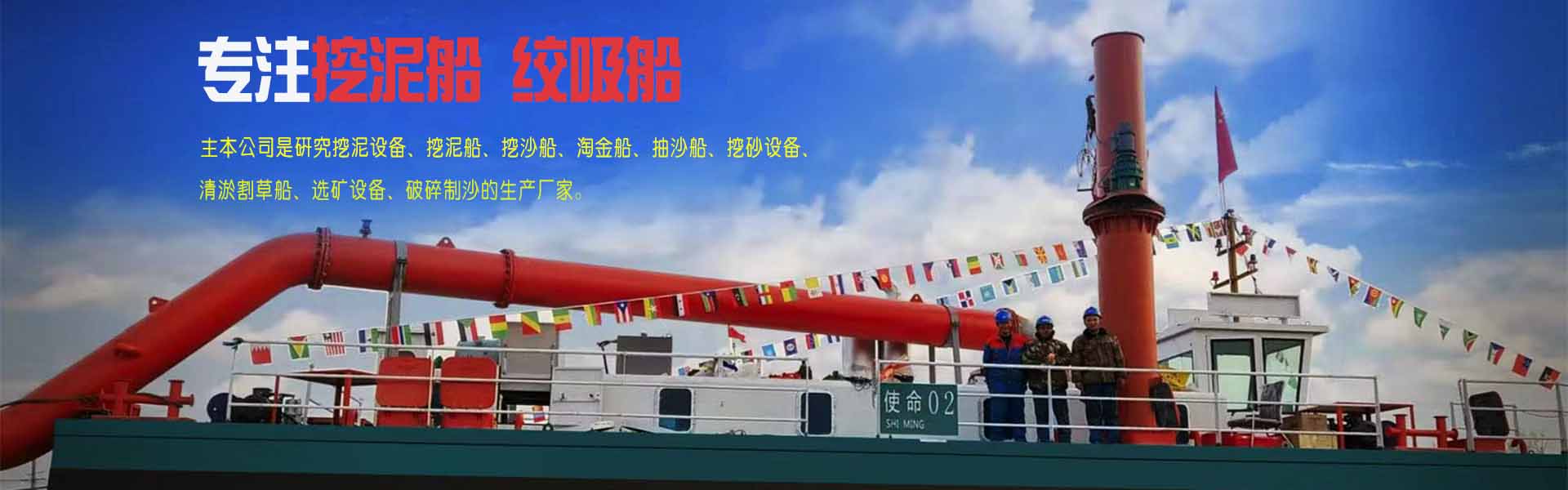
Dredging vessels are specialized engineering ships designed for the removal of silt and debris from the bottom of bodies of water, widely used in the management and maintenance of water environments such as rivers, ports, and reservoirs. Maintaining the vessel's balance during dredging operations is crucial, as it not only affects work efficiency but also directly impacts safety.
The hull design and construction of a dredger are fundamental to achieving hull balance. During the design phase, engineers must consider factors such as operational requirements, waterway conditions, and vessel performance, to comprehensively determine the hull's shape, dimensions, structure, and weight distribution.
The ballast water system is a crucial piece of equipment on dredging vessels for adjusting the vessel's stability. It typically consists of ballast tanks, pumps, and control systems. By injecting or discharging water into the ballast tanks, the weight distribution of the vessel can be altered, thereby adjusting the vessel's buoyancy and trim.
During dredging operations, the uneven distribution of silt and dynamic changes during excavation may affect the vessel's balance. The ballast system can automatically adjust the water volume in the ballast tanks based on real-time monitoring of the vessel's attitude and water flow conditions, achieving dynamic balance of the vessel.
