
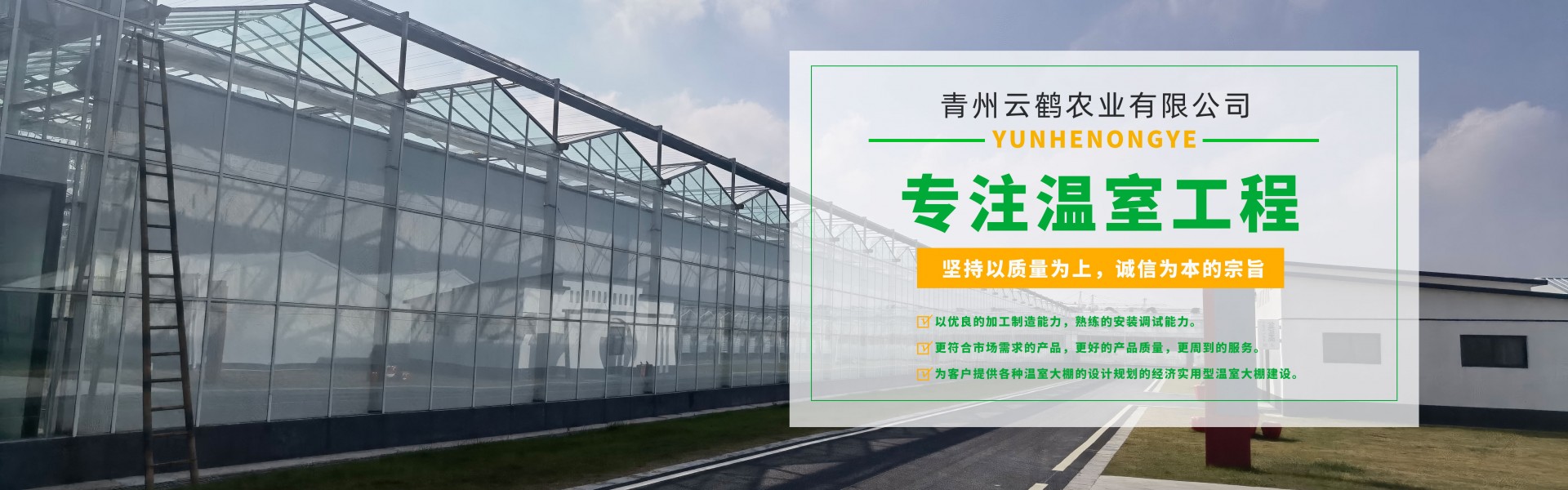
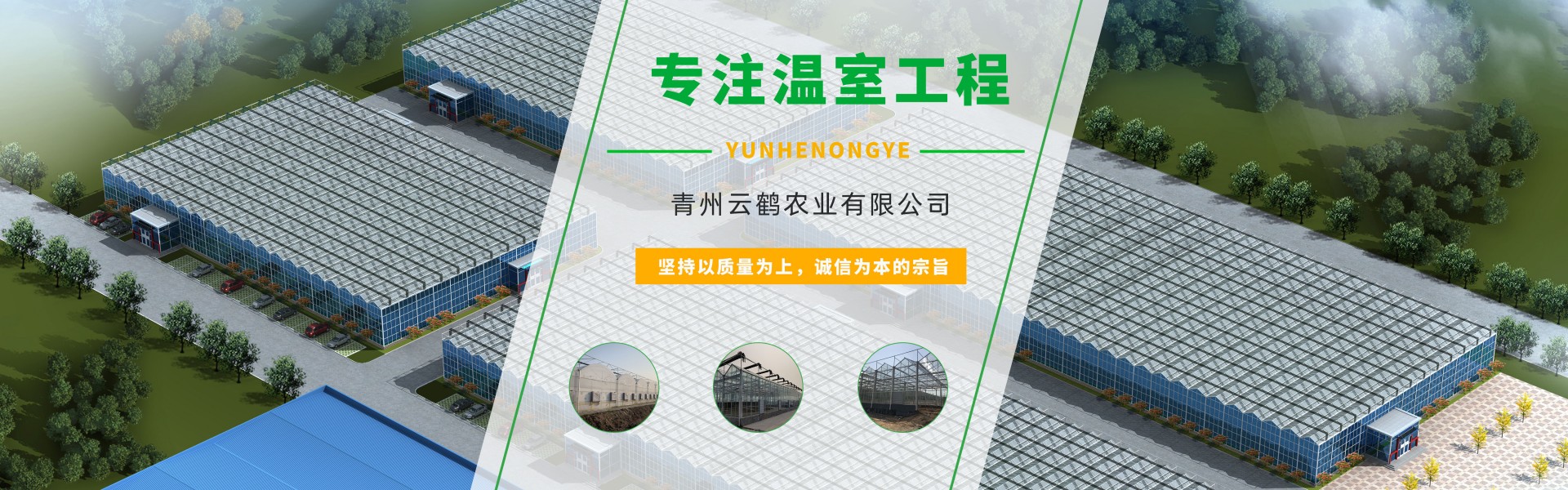

Glass greenhouses are structures primarily using glass as the main lighting material. The primary purpose of ventilation in glass greenhouses is to eliminate moisture and excess heat inside, as well as harmful gases to humans, to better regulate the air composition within the greenhouse, making the air and humidity more suitable for plant growth.
Ventilation Methods for Glass Greenhouse Structures
Glass greenhouses are structures primarily utilizing glass for light transmission. The primary purpose of ventilation in glass greenhouses is to dissipate moisture and excess heat within the structure, eliminate harmful gases to humans, and better regulate the air composition inside. This ensures that the air and humidity inside the greenhouse are more suitable for plant growth.
Glass Greenhouse Structures
Ventilation Methods for Glass Greenhouse Structures
Ventilation in glass greenhouse tunnels typically takes on two forms:
1. Natural Ventilation in Glass Greenhouses: Glass greenhouses mostly rely on natural ventilation to regulate the indoor environment. The structural form of large-scale production greenhouses is typically the double-slope glass greenhouse, with ventilation provided by windows on the side walls and roof. The total ventilation area should not be less than 15% of the greenhouse area, and preferably greater than 30%. When the roof vents are opened, the window sashes can incline upwards beyond the horizontal plane, forming a 100-degree angle when fully open, ensuring excellent ventilation. The ventilation efficiency of natural ventilation is influenced by wind speed and direction, the position of the ventilation windows, the size of the windows, and the temperature difference between the inside and outside of the greenhouse.
2. Forced Ventilation: While glass greenhouse structures rely mostly on natural ventilation to regulate the environment, during the summer months, especially on hot days when outdoor temperatures exceed 33 degrees Celsius, natural ventilation alone is often insufficient to meet the cooling requirements of the greenhouse. Employing forced ventilation in conjunction with other cooling measures is a common practice in production. Forced ventilation utilizes fans to convert electrical or mechanical energy into wind energy, forcing air movement for greenhouse ventilation, thereby achieving cooling effects.
How to Cool Down a Glass Greenhouse in Summer
Due to the large area of glass greenhouse greenhouses, an internal microclimate is formed, making it difficult to expel the indoor hot air and necessitating timely cooling. Here is an introduction to the cooling measures for glass greenhouse greenhouses during the summer season.
Natural Ventilation System for Glass Greenhouse Structures
Utilizing a unique skylight design, the natural ventilation cools down the space by allowing hot air to escape from the top.
2. Sunshade Systems
The purpose of shading systems is to cool down during summer. External shading systems primarily refer to shading nets covering the greenhouse exterior, directly blocking external solar radiation and effectively reducing the temperature inside the greenhouse. Internal shading systems are installed within the greenhouse and on the crop canopy. Combined with relatively lightweight shading nets, they can effectively prevent direct sunlight from reaching the crops and burning them. Typically, internal shading systems are used in conjunction with external shading systems. Another method of light control involves painting the exterior walls of glass greenhouses. The glass is smooth, and the paint is easily washed off after the hot season. In areas with strong sunlight during summer, combining all three methods can enhance the shading and cooling effect.
3. Glass Greenhouse Wet curtain Fan Cooling System
The system consists of a wet-baffle box, a recirculating water system, an axial-flow fan, and a control system. The wet-baffle fan forced-cooling system achieves cooling by utilizing the principle of water evaporation. The core of the cooling system is the wet baffle that can evaporate water.
Central Air Conditioning
This cooling method requires significant investment and is typically used in the greenhouses of eco-restaurants, as they cater not only to the needs of plant growth but also to the comfort of dining.
