
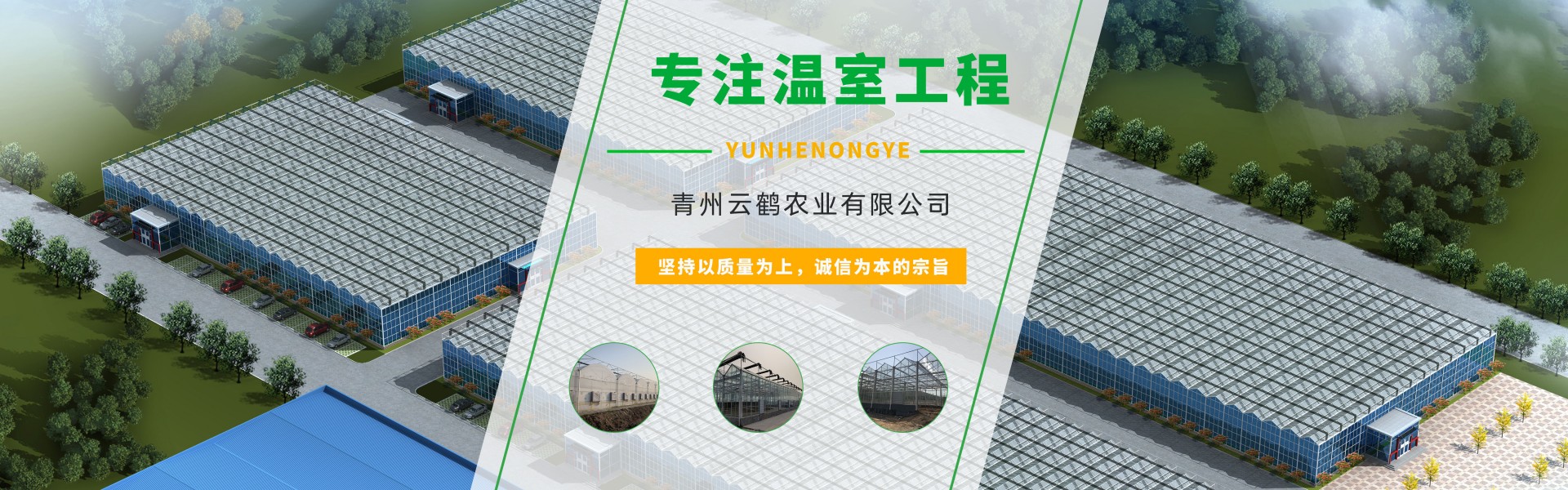

In general, one should choose a location that is easily accessible, with flat and open terrain, good drainage, abundant water bodies like ponds, rivers, or groundwater, dry ground elevation, and sheltered from winds and sunny exposure. The groundwater level should be below 0.5 meters, and the soil should be deep and fertile. Additionally, the orientation of the greenhouse is also crucial. Typically, a north-south or slightly southwest orientation is preferred. In this case, the length of the greenhouse is in the north-south direction, and the width in the east-west direction. The distance between the two east-west sides should be 0.8 to 2 meters, with a small drainage沟 of over 30 cm in width in the center. The distance between the two north-south sides should be approximately 2 to 3 meters, which is used for digging drainage沟, installing water supply pipelines, and constructing pathways. The narrower the distance between the greenhouses while still allowing normal production, the better, as this maximizes land use efficiency. Whether to construct a steel structure or a bamboo and wood structure depends on one's own conditions.
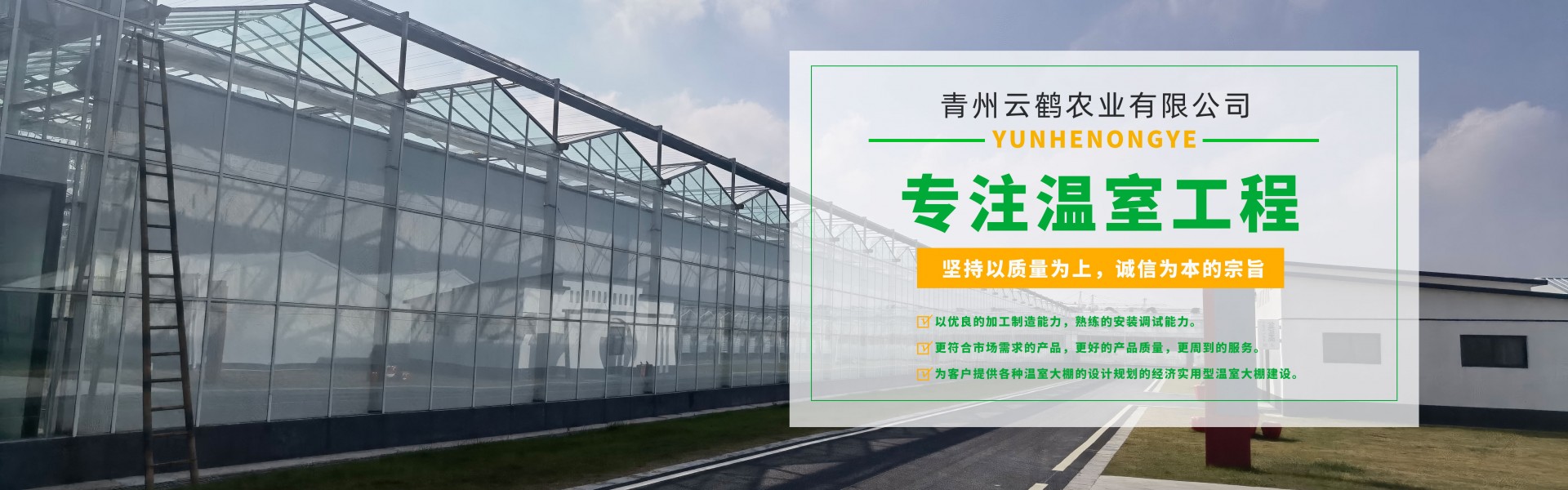
The glass greenhouse has excellent light transmission, making it suitable for regions in our country with poor lighting conditions. It does not affect the photosynthesis and normal growth and development of the internal crops due to light exposure. However, the glass greenhouse has poor thermal insulation and a high thermal conductivity coefficient, resulting in poor energy-saving effects. In winter, especially in severely cold areas with high heating loads, the operation costs are relatively high.
