
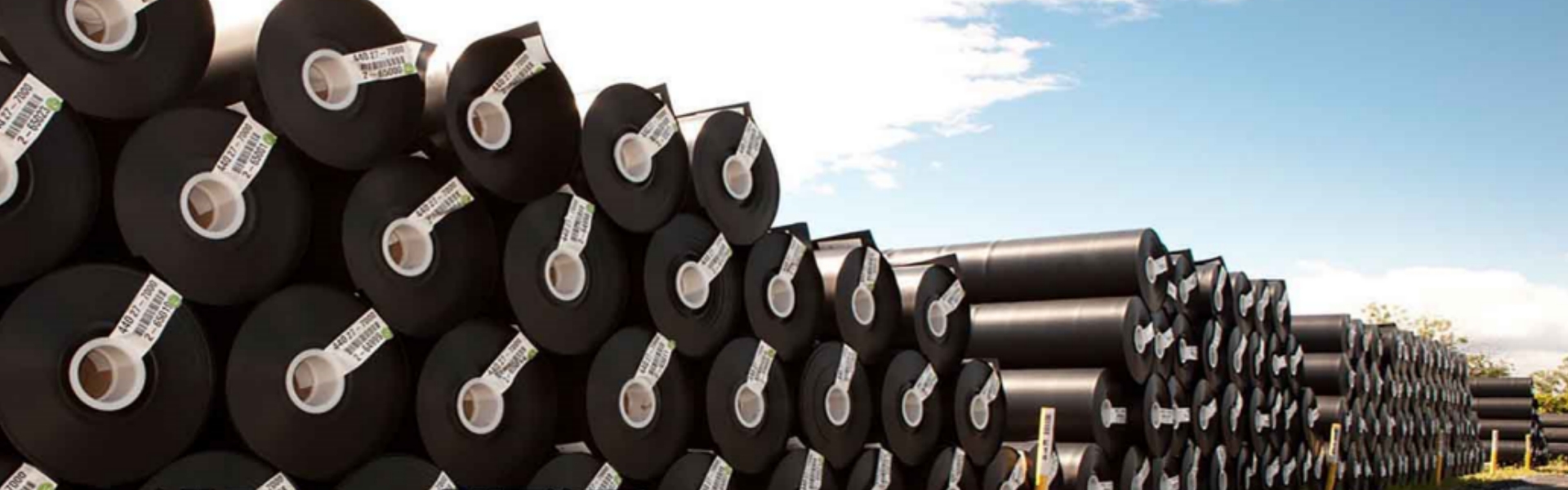
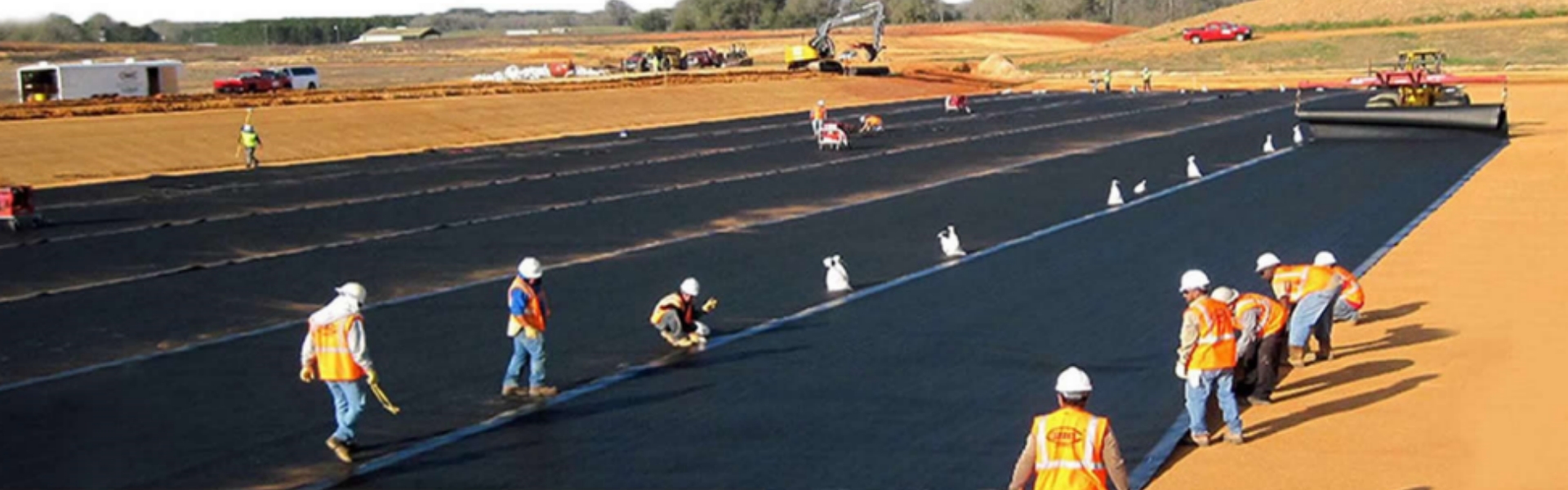

A waterproofing geomembrane is a membrane material used to prevent water seepage, effectively safeguarding buildings, dams, and other structures from water erosion. Made from water-resistant materials such as PE, PP, PVC, or EVA, these materials ensure excellent durability and effectively block water from damaging buildings or other structures.
Geosynthetic clay liners are primarily used in roads, dams, tunnels, reservoirs, and various sizes of hydraulic projects. They effectively protect road surfaces from the impact of snow and ice, and can reduce mud loss caused by rainy and snowy weather. This helps maintain the smoothness of the road surface; additionally, they can minimize internal erosion of tunnel linings caused by lower fissures.
Additionally, the waterproof geomembrane boasts excellent mechanical properties. As a result, it is often used in underground structures as a protective "shell" to shield against external damage. Moreover, this material is frequently employed on ships as a protective device to ensure the hull remains unaffected by waves, preventing cracks or leaks.
In summary, the waterproof geomembrane is a crucial engineering material that can effectively be used in the reinforcement and repair of vertical linings in various water conservancy projects. It enhances the uplift resistance of the vertical linings and improves the structural integrity of the shell, resulting in excellent durability. This not only reduces weathering damage to the surrounding area but also minimizes internal erosion caused by internal cracks, significantly reducing personnel casualties.
