




 通过中商114认证
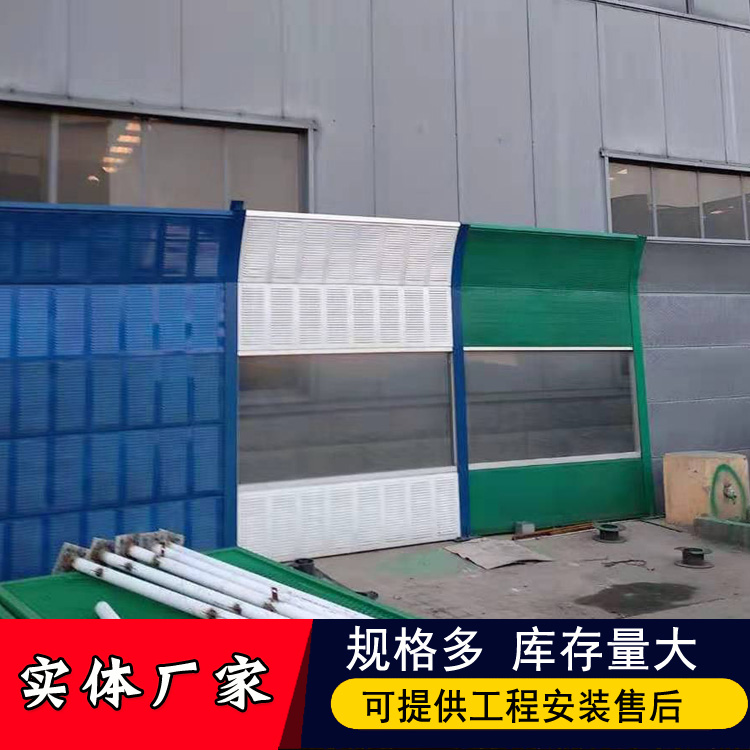
Utilizing Soundproof Barriers: When sound waves emitted from a noise source encounter a sound barrier, they propagate through three paths; a portion of the barrier's top diffracts to the sound point; a part of the permeable sound barrier reaches the sound point; the insertion loss of the sound barrier primarily depends on the energy distribution of the sound waves emitted by the source along these three paths.
The Noise Information Barrier is primarily composed of structural steel columns and acoustic panels, with the columns being the main driving component of the noise barrier system. It consists of a fixed bolted or welded steel plate embedded against a wall on Chinese roads or along the side of urban railings; the acoustic panels are secured in H-shaped column grooves using high-strength work springs, forming the primary acoustic components of the noise barrier. Outdoors, soundproofing barrier technology typically involves constructing walls with bricks, soil, concrete, steel plates, or plastic boards. Some buildings or fences on the streets also serve as barriers to the houses behind them. Indoors, soundproofing barriers can be made from steel, wood, glass, or plastic packaging films, with the surface treatment of the barriers covered by an acoustic layer. If economically and socially feasible, using barriers with acoustic surfaces can achieve both noise absorption and soundproofing effects. On the sound source side of outdoor soundproofing barriers, we may also add acoustic materials and consider the service life of the soundproofing barriers.
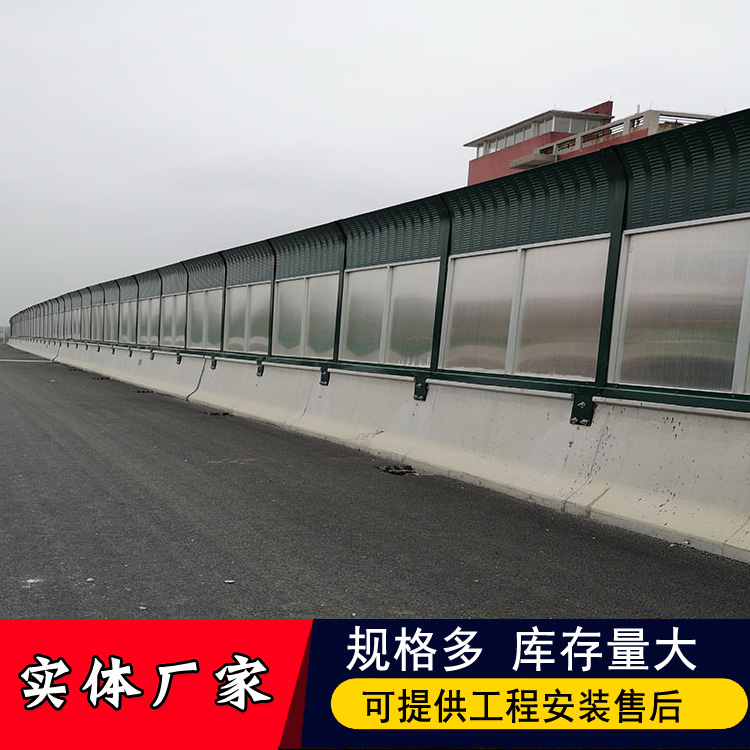
The elevated bridge utilizes an acoustic barrier eco-engineering solution, featuring an overhead vertical ZHB foam aluminum acoustic barrier, lower transparent acoustic screen, collision walls on both sides, aluminum alloy back panel, and a full metal structure with electrostatic spraying corrosion treatment. The structural performance meets the requirements for wind pressure load resistance at wind speeds of up to 31.3 m/s.
Data shows that after the noise barrier environmental protection project was installed, although the traffic volume increased by nearly 1.5 times, the noise reduction was reduced by 1.1 decibels. The noise barrier's impact is significant; when traffic volume returns to normal, the noise screen will certainly greatly reduce the noise level.
The foundation of the noise barrier should be constructed in synchronization with the roadbed. Damage to the roadbed is prohibited during construction to ensure its stability and safety. The foundation work for the noise barrier should be carried out before the formation of the foundation, before the track laying, and before the cable trench construction. Prior to construction, the positions of various pipelines on the roadbed should be checked. The foundation should be cut according to the dimensions of the noise barrier's base and its orientation at the roadside, ensuring that no damage is done to the pipelines during the cutting and trenching process.
The foundation for the sound barrier should be constructed according to the planned orientation, shape proportions, and depth, without damaging the surface of the subgrade. The materials and construction methods used for the anchor rods and grouting in the anchor holes at the bottom of the sound barrier must comply with the planning requirements and should not affect the safety and stability of the subgrade.
