



 通过中商114认证
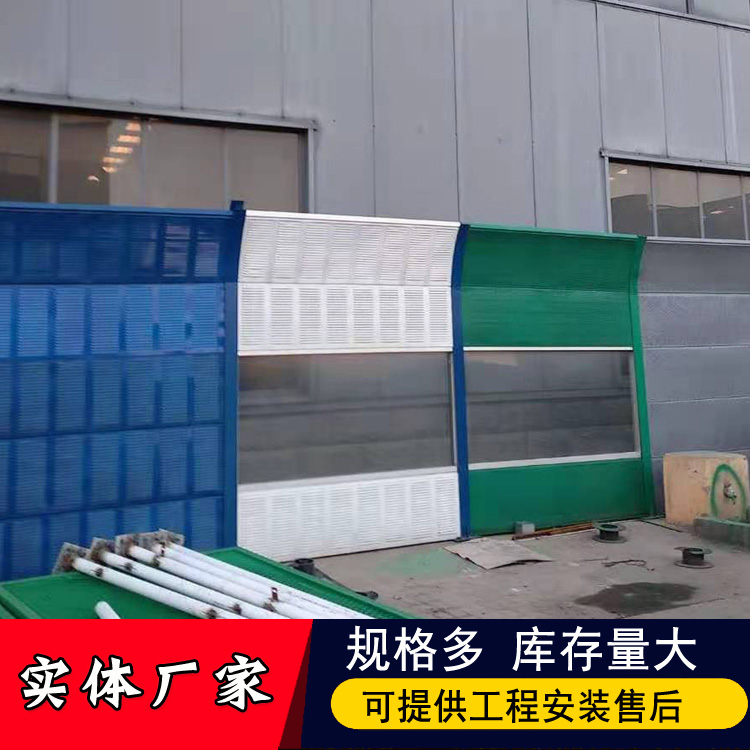
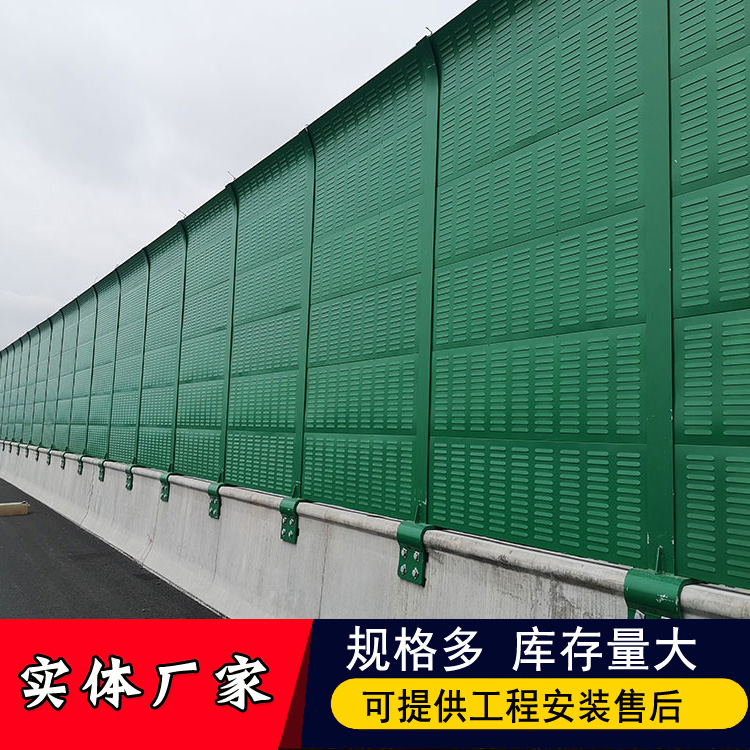
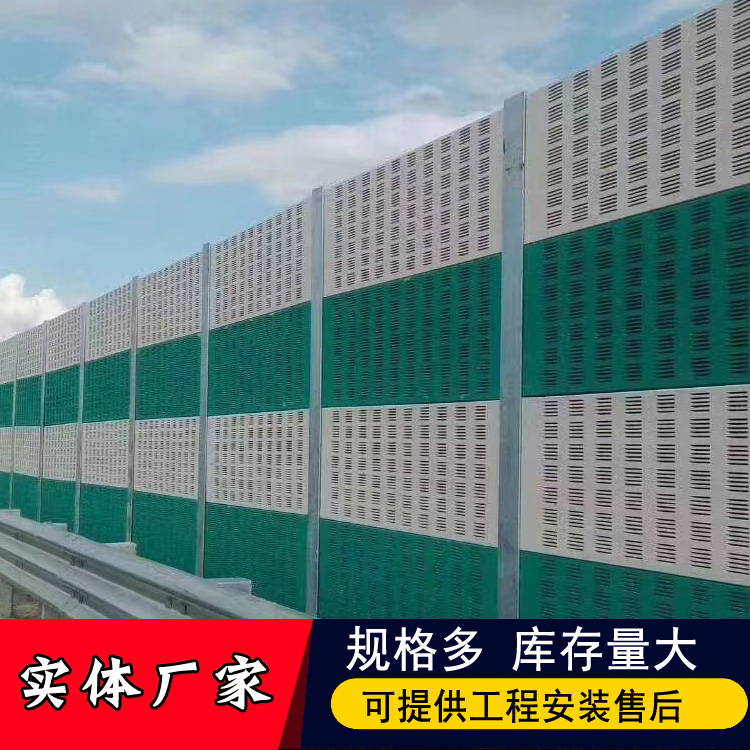
Metal sound barriers are widely known for their tendency to oxidize, corrode, and rust. So, how can metal sound barriers be prevented from these issues? Generally, metal sound barriers should be organized during installation to maintain a dry appearance. After the installation of the metal sound barrier is complete, the outer surface should be cleaned regularly. After cleaning, use a dry cloth or other tools to dry the outer surface. Especially in areas with severe pollution or intense corrosion contrast, the metal soundproofing panels must be frequently protected to extend their service life.
Regular installation of noise barriers is the protective method for transparent noise barriers. On one hand, the usage scope of the isolation walls will be expanded. On the other hand, the overall effectiveness and transparency of the barriers may be affected when dust settles. Therefore, more attention should be paid to cleaning areas for transparent noise barriers.
Due to the micro-perforated sound barrier being primarily made of micro-perforated sound-absorbing material, it is necessary to clean the soil after rain or snow. Failure to do so will reduce the sound-absorbing effectiveness of the micro-perforated sound barrier. During special weather conditions such as acid rain, hail, strong winds, and other severe weather, it is essential to promptly send personnel to clean, correct, and repaint to ensure the effectiveness of the soundproof barrier. This can also effectively extend the service life of the soundproof barrier. After the spring in the extremely cold northern regions, it is imperative to inspect the condition of the soundproof barrier itself and promptly clean and整顿 the barrier to effectively enhance its strength.
Soundproof walls are wall structures installed alongside railways and highways to mitigate the impact of traffic noise on nearby urban residents. They are also known as noise barriers. This is a common practice, especially in our society today, where many enterprises require noise management solutions. The primary approach involves acoustic treatment on walls and ceilings, enclosing noise sources with soundproofing structures, etc. These specific measures are suitable for simple single-source noise reduction, but for the majority of industrial production sites with complex noise sources and sound fields, noise reduction designs and scientific calculations are necessary to continuously achieve optimal results.
