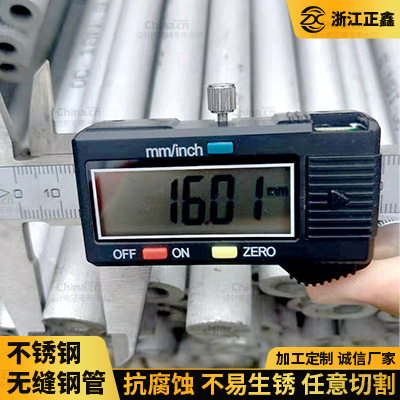

Hardness testing involves slowly pressing a hard tensile force into the surface of a sample using a hardness gauge according to specified standards, followed by testing the indentation depth or dimension. This clearly defines the hardness dimensions of the material. Hardness testing is a simple, quick, and easy-to-perform method in material mechanical property testing. It is non-destructive, and there is a similar calculation correlation between material hardness values and compressive strength values. The material hardness values can also be converted to compressive strength values, which has significant practical significance.
Due to the不利 nature of tensile tests and the ease of transitioning from hardness to strength calculations, we are increasingly focusing solely on testing material hardness rather than compressive strength. This is especially true as hardness measurement technology continues to advance and innovate, making it possible to test the hardness of materials that were previously not immediately assessable, such as 304 stainless steel plate seamless steel pipes, 304 stainless steel sheets, and 304 stainless steel strips. As a result, there is a growing trend of hardness tests gradually replacing tensile tests.
Tensile testing involves creating specimens from seamless 304 stainless steel pipes, which are then stretched to failure in a tensile testing machine. Subsequently, one or more mechanical properties are measured, typically including compressive strength, yield strength, elongation at break, and reduction in area. Tensile testing is the primary method for evaluating the mechanical properties of metallic materials, and it is required for virtually any metallic material where mechanical properties are specified. Especially for materials that are not conducive to hardness testing, tensile testing becomes the **primary** method for mechanical property evaluation.