Smart Glass Greenhouses (Dutch-style greenhouses, Latticework greenhouses), Polycarbonate Intelligent Greenhouses, Film Multi-span Greenhouses, Energy-saving Solar Greenhouses
13791891937
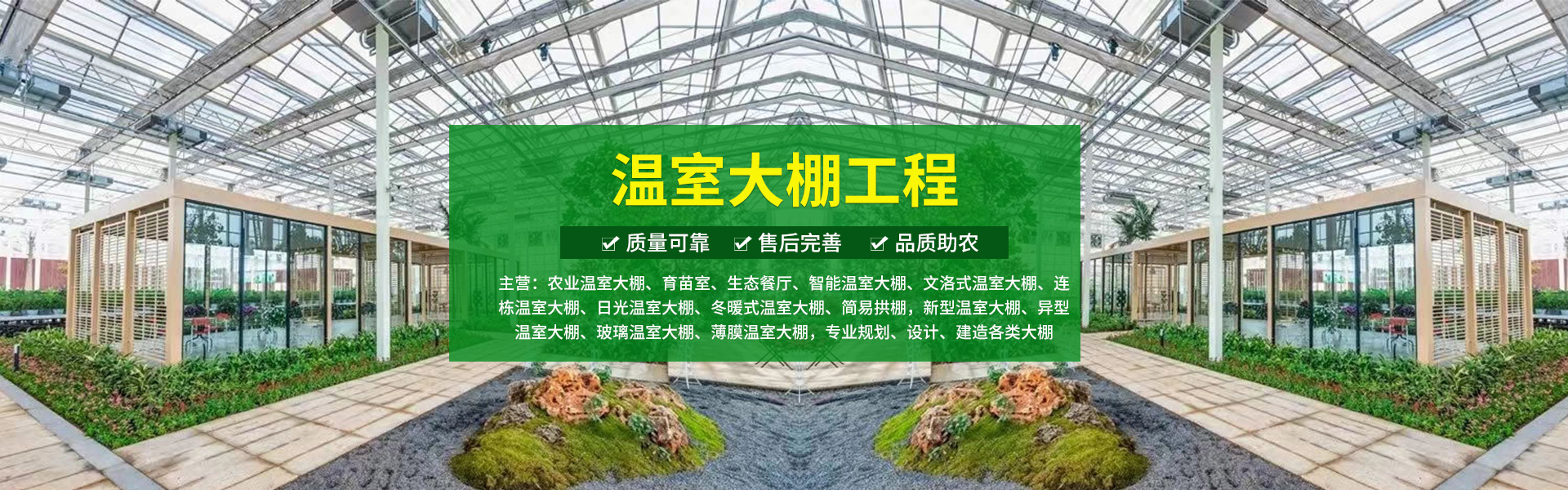
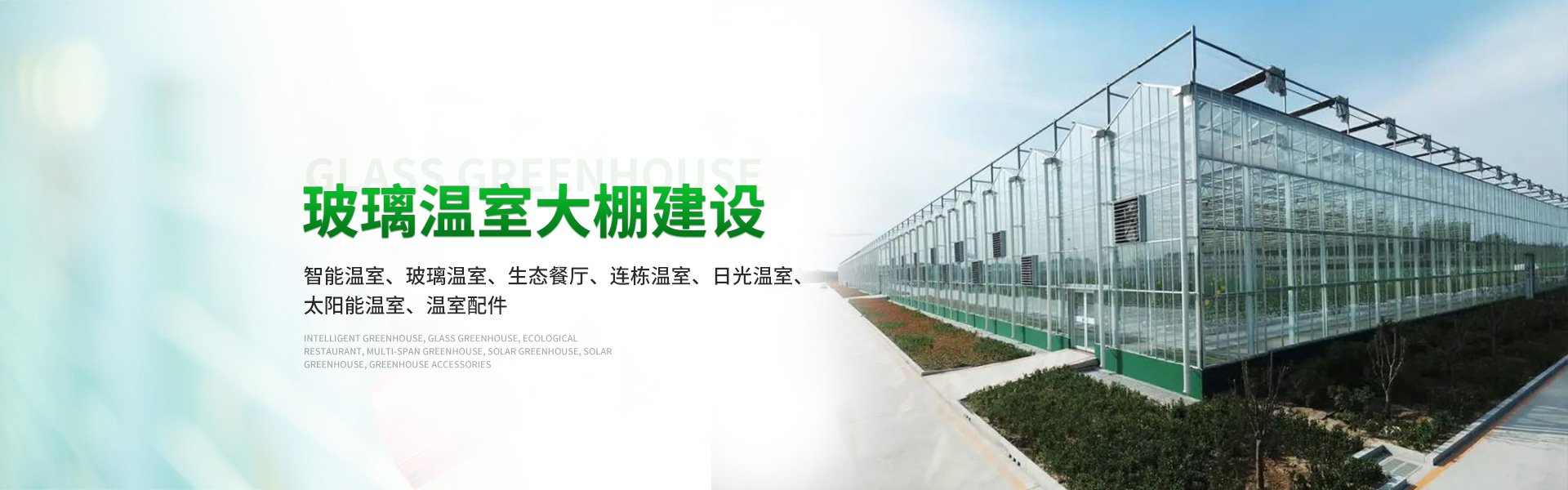
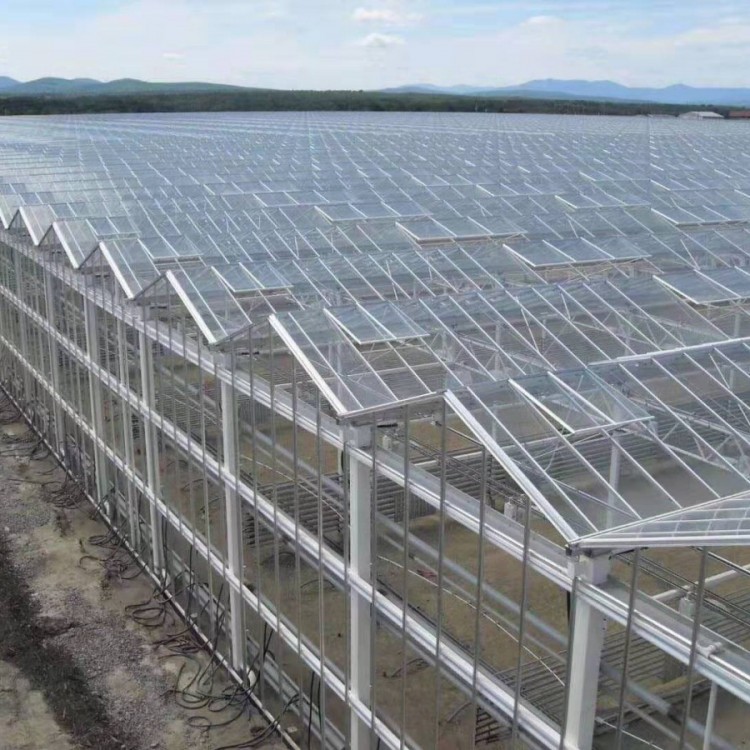
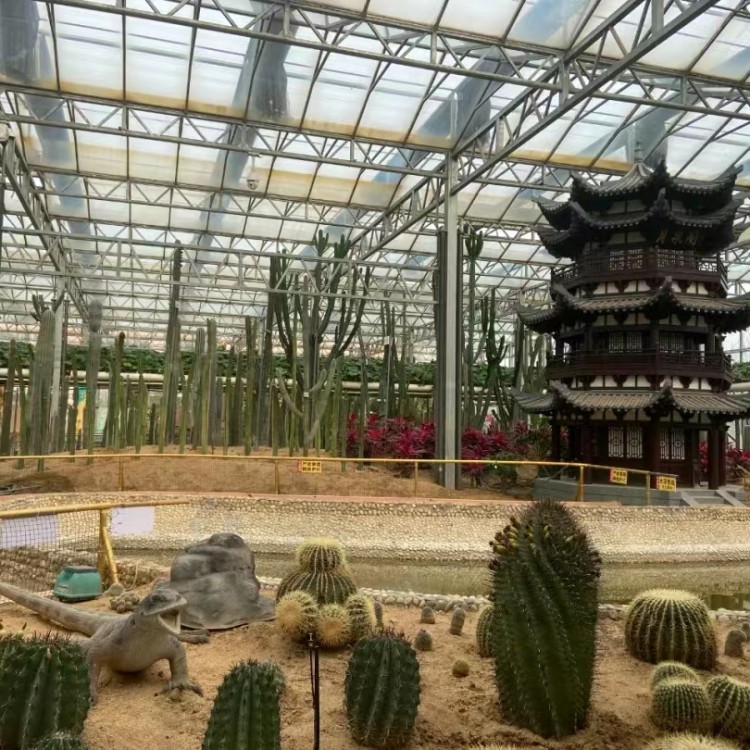
Prior to embarking on this project with glass greenhouses, we must first consider our regional location, the local environmental climate characteristics, and the usage of the glass greenhouse. This is something we discuss with the greenhouse designers and builders. For instance, in the north, I aim to construct glass greenhouses for planting and seedlings. A crucial factor I consider is maximizing the greenhouse's insulation capabilities, such as adding an internal thermal insulation system and using double-glazed thick glass for the surrounding walls. Taking into account the characteristics of the north, such as strong summer colors, intense sunlight, and water scarcity, it would be ideal to design a rainwater collection system and an external shading system in the northwest region. Additionally, the distinction between planting greenhouses, ecological dining restaurants, and recreational观光 agriculture lies in the internal space height design. Planting greenhouses can be designed from 4 to 4.5 meters in height, while the shoulder height of recreational观光 greenhouses is generally around 5 to 6 meters.
Key Considerations When Constructing Greenhouses
One, excellent light transmission effect.
Firstly, it's important to understand that greenhouses are lighting buildings, thus requiring good light transmission conditions. The light transmission rate is a fundamental indicator of a greenhouse's light transmission performance. The light transmission rate refers to the percentage of light entering the greenhouse compared to that outside. This rate is influenced by the light transmission rate of the greenhouse covering material and the shading rate of the greenhouse structure. Furthermore, as the angle of solar radiation varies with different seasons, the light transmission rate of the greenhouse changes accordingly. Therefore, the light transmission rate becomes a direct factor affecting crop growth and the selection of plant species.
Secondly, consider the greenhouse's thermal insulation performance.
Furthermore, attention should be given to the thermal insulation properties of greenhouses. Enhancing the thermal insulation of greenhouses is a direct approach to increasing production efficiency, as it reduces energy consumption. The thermal insulation ratio is a key indicator of greenhouse insulation performance. The thermal insulation ratio refers to the area of low thermal resistance greenhouse transparent materials compared to the area of high thermal resistance greenhouse structural covers. A higher thermal insulation ratio indicates better thermal insulation performance in the greenhouse.
Thirdly, our greenhouses must be durable.
Durability must be considered after the construction of greenhouses, focusing on the longevity and resistance to aging of greenhouse materials. The longevity of translucent materials is not only characterized by the continuous decrease in light transmission rate over time, but the degree of attenuation in light transmission is a decisive factor affecting the service life of translucent materials. Due to the long-term exposure of greenhouses to high temperatures and humidity, surface corrosion resistance is one of the key factors influencing the lifespan of greenhouses.
Contact us

Service Hotline
13791891937
Company Telephone
13791891937

Address
Room 611, Rose Garden Apartment, Shengcheng Street, Shouguang City
www.114global.com © Zhongshang 114 Hebei Network Technology Co., Ltd.Address: Room 6009, Oriental New World Center, No.118 East Zhongshan Road, Qiaoxi District, Shijiazhuang City, Hebei ProvincePlatform Service Hotline: 4006299930



![Tibet Glass Smart Greenhouse Vegetable Greenhouse Construction [Zhu'an Jin]](https://img.file.zhongshang114.com/file/upload/202211/23/12255133111424.png.thumb.png)
![Xining Glass Intelligent Greenhouse Vegetable Greenhouse Construction [Zhu'an Jin]](https://img.file.zhongshang114.com/file/upload/202211/23/12321455111424.jpg.thumb.jpg)