
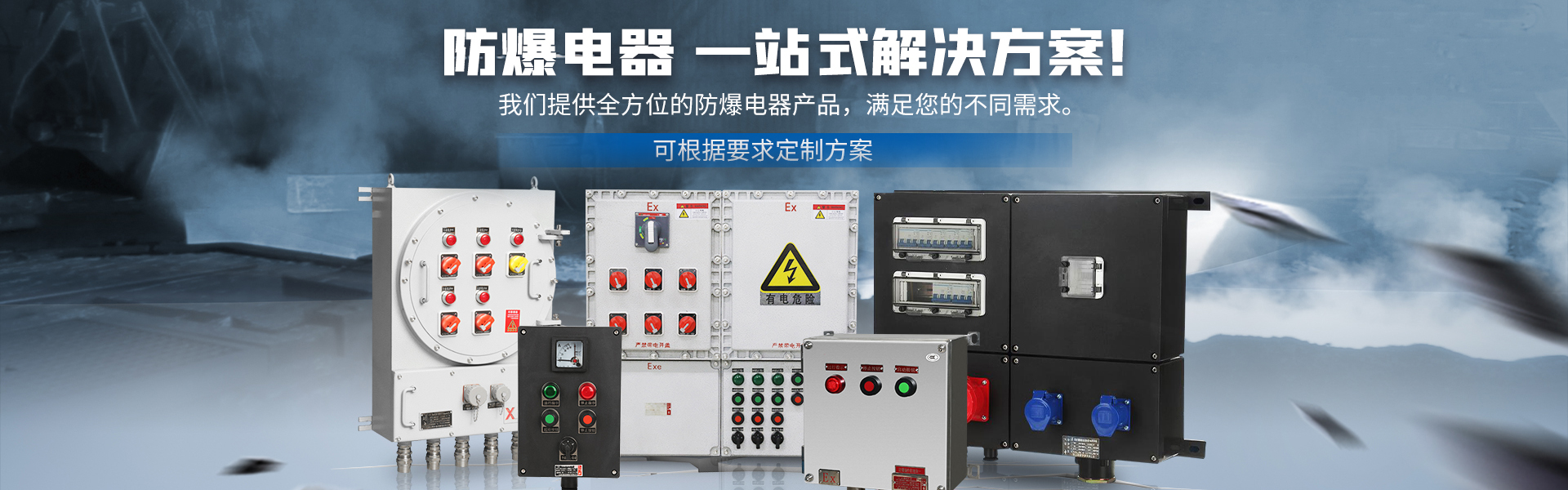
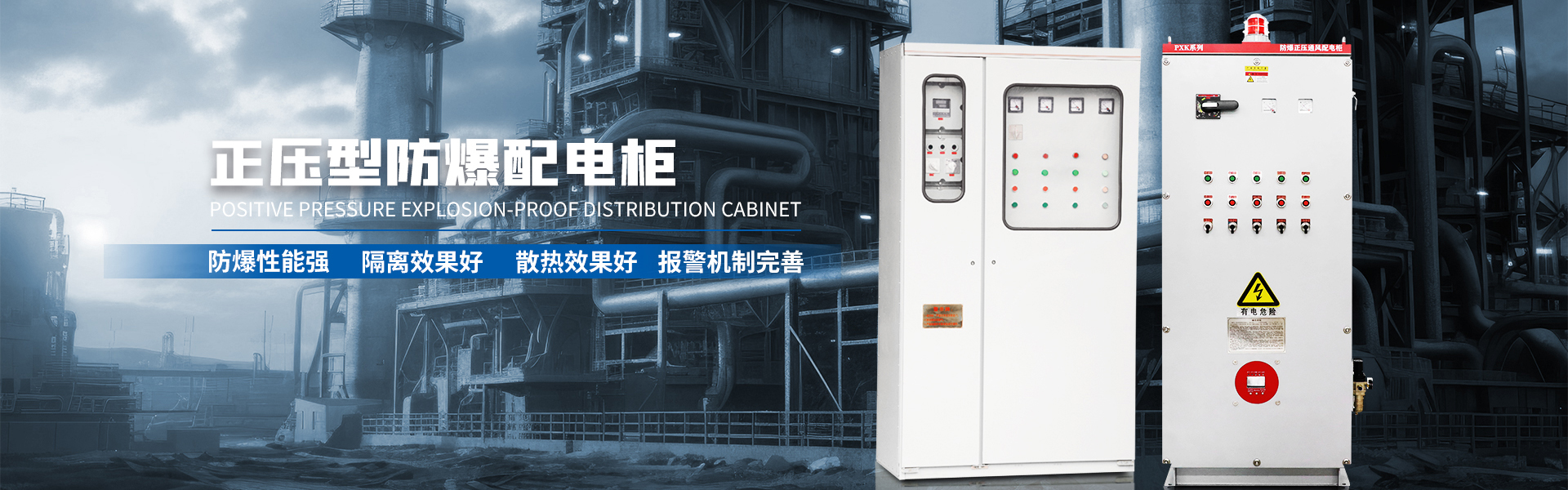



Ensuring the seal between the box body and lid is crucial; it's one of the most concerning issues. This is because chemical and other facilities often contain explosive gases, necessitating the prevention of gas leakage. Various measures can be taken to ensure this, such as structural design of the joint surfaces, which can effectively achieve a seal. However, for explosion-proof boxes, relying solely on the joint surface for sealing is insufficient.
This can be driven by a hydraulic cylinder through the body sealing fixing mechanism, utilizing the thrust of the hydraulic cylinder to rotate the swivel hook around a hinge axis, thereby securing the swivel hook onto the clamping block, ensuring more effective sealing performance of the explosion-proof box.
The sealing is particularly suitable for explosion-proof boxes. This mechanism amplifies the force of the hydraulic cylinder, increasing the pressure on the box lid, which effectively ensures the seal integrity of the joint surface. Furthermore, all components of this fixing mechanism are explosion-proof, making it especially suitable for the explosion-proof field. This is due to the inherent explosion-proof nature of the mechanism, as well as its strong sealing performance and the high pressure exerted between the box body and lid.
