


Intelligent office furniture has a more complex structure compared to conventional office furniture, and the installation of the smart control system must consider its processability. Therefore, during the design phase, it's essential to comprehensively consider the difficulty levels from processing, assembly, decoration, packaging, and transportation, aiming to simplify the manufacturing process. Intelligent furniture is a high-tech product, and manufacturers need to break away from traditional furniture design and production management models, increase economic investment, and focus on attracting high-quality talents, especially those in cutting-edge fields like product design, mechanical and electronic engineering, automatic control, and artificial intelligence, as well as experienced craftsmen. Establishing a strong R&D department is crucial, and simultaneously, collaborating with high-tech companies for cross-domain optimization, integration, and reorganization is vital to create an intelligent furniture brand.
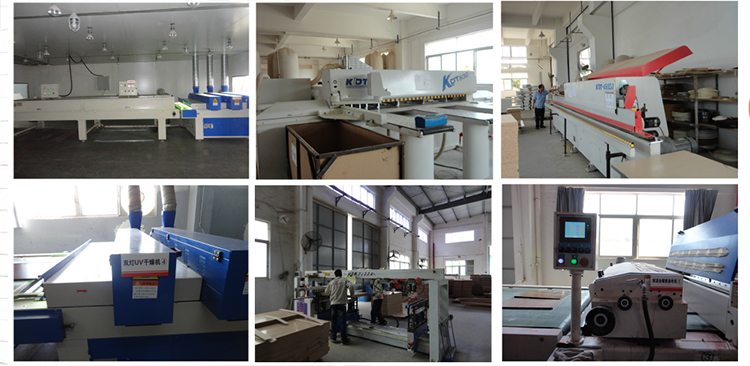
Generally, the realization of smart office furniture functions does not significantly affect the furniture's structure and processing techniques. It merely involves installing some detection, control, and execution components on the furniture's body structure according to specific usage requirements. This means adding two processes—electrical installation and tuning—to the existing furniture processing techniques. Therefore, the manufacturing of smart office furniture does not excessively impact the furniture's inherent structure, allowing the use of existing processing techniques and compatibility with industrial mass production requirements.
Additionally, due to the extensive use of precision components, electrical circuits, and mechanical motion mechanisms in smart furniture, safety considerations must be thoroughly integrated into the development and design process. Wiring should be within the rated voltage range, with excellent insulation capabilities, and must include cooling and leakage protection features. Furthermore, it is crucial to ensure that the furniture's movement functions do not disrupt the normal operation of the smart system, and that there is compatibility and coordination between the two.
