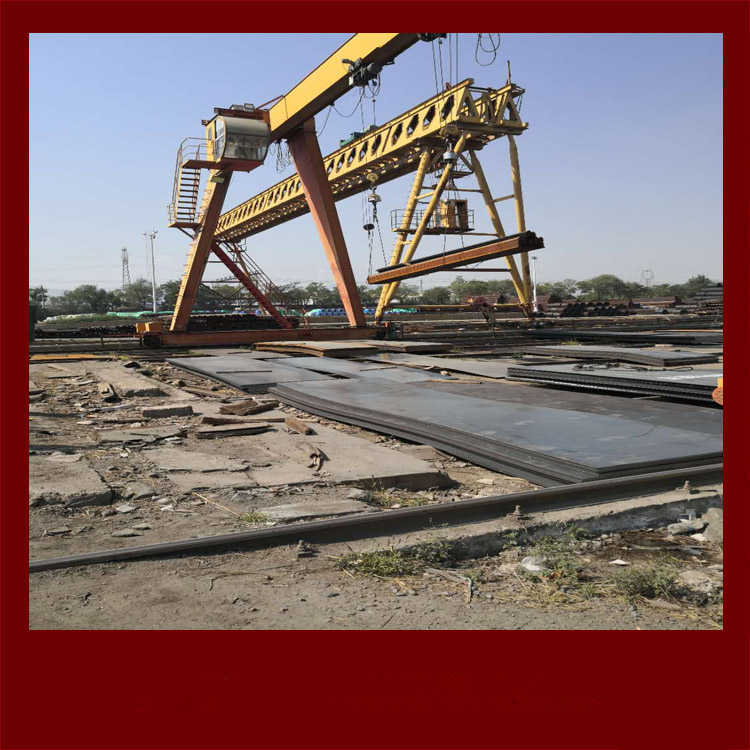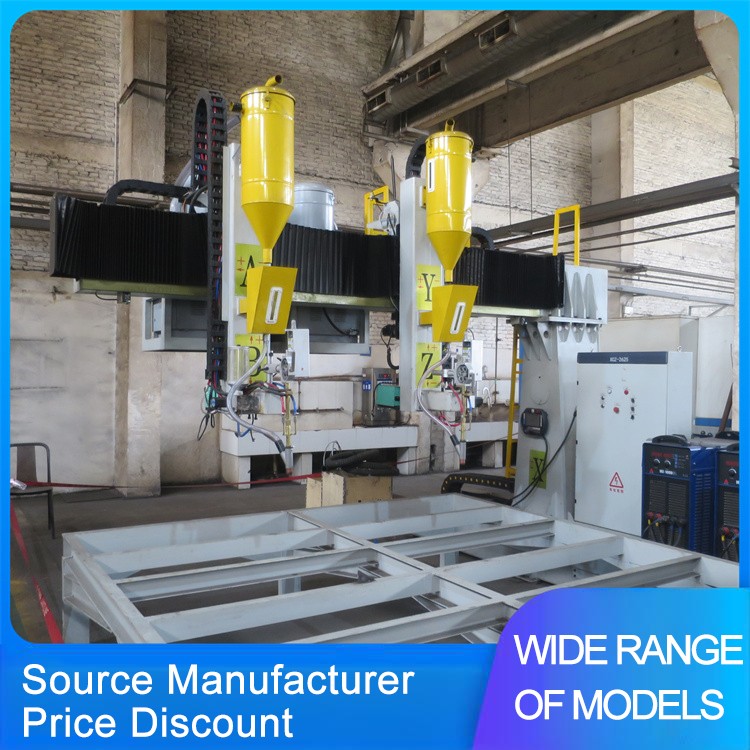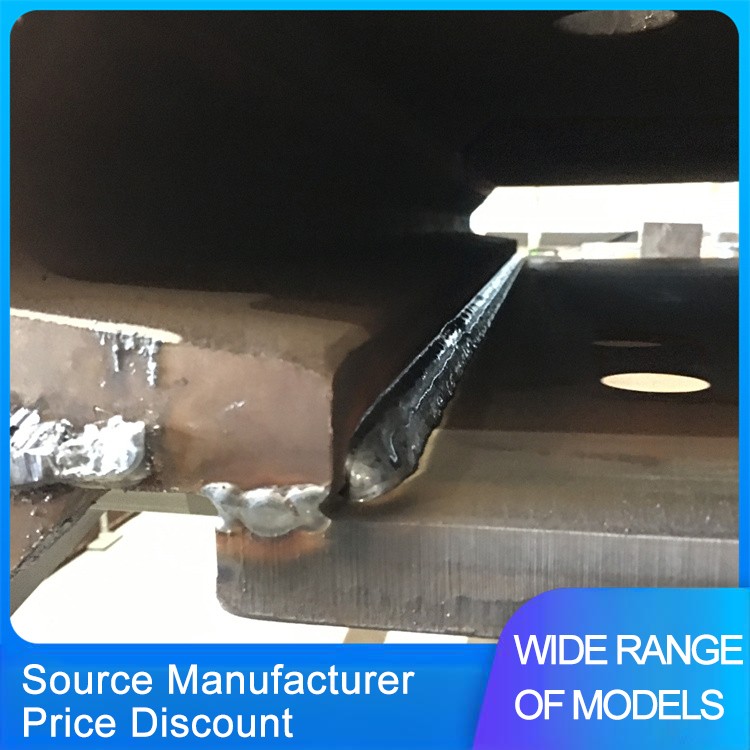







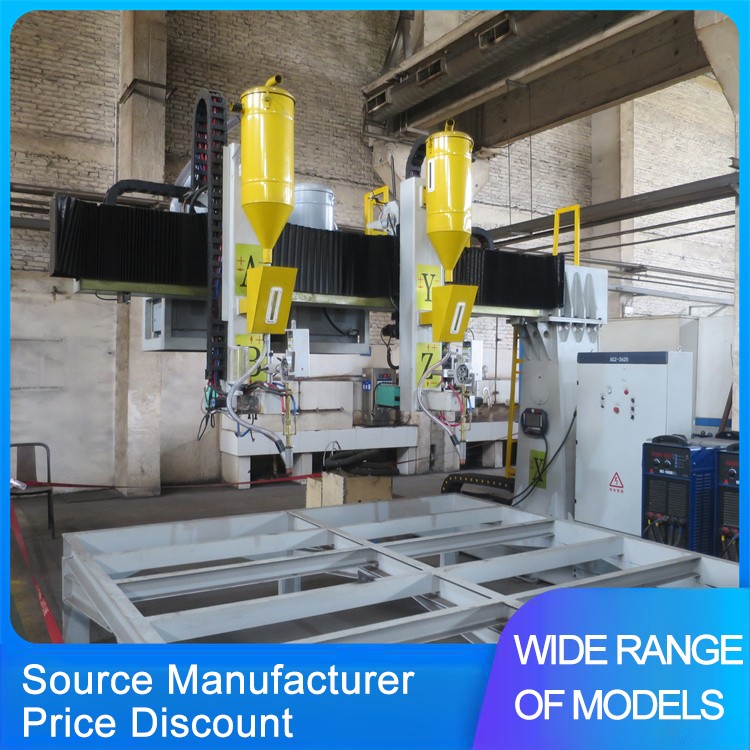
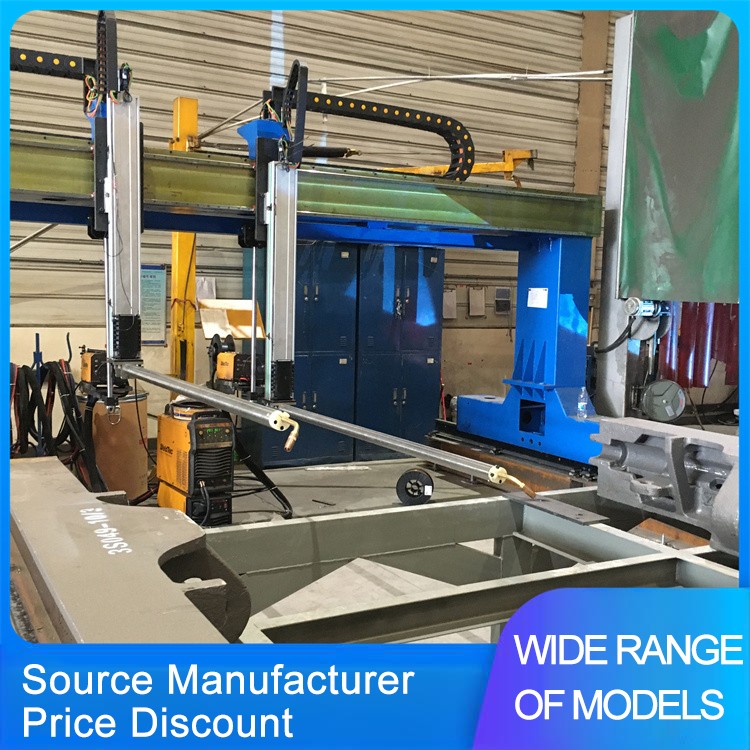
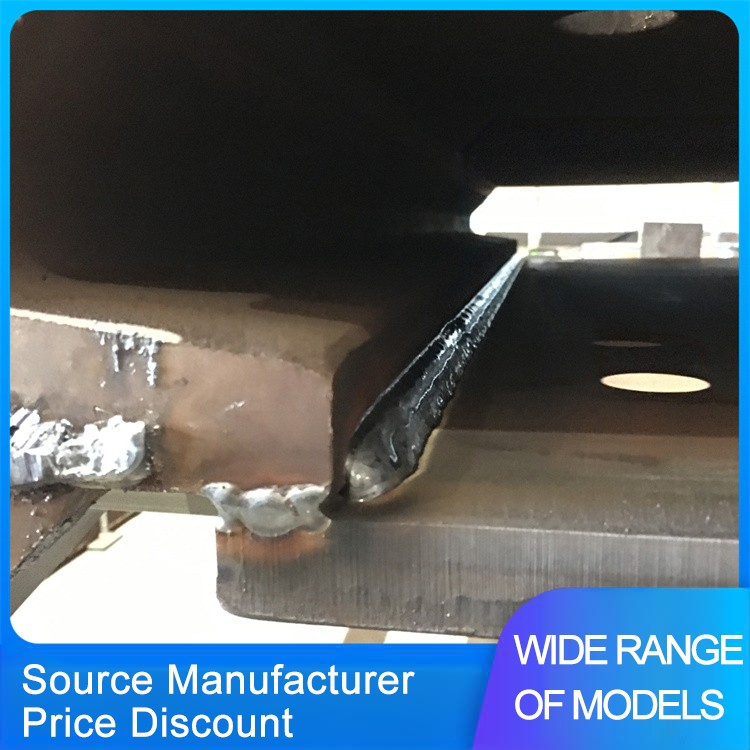






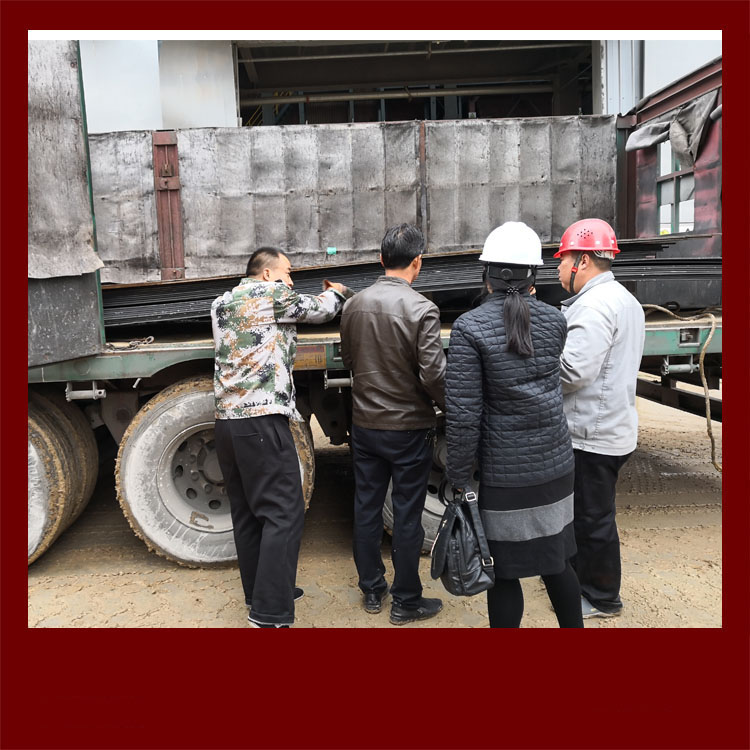


Steel plates have great coverage and tolerance capabilities, and can be used as roof panels, tarpaulin materials, as well as manufacturing containers, oil storage tanks, packaging boxes, train carriages, car shells, industrial furnace shells, etc. They can be cut and combined according to usage requirements to make various structural and mechanical parts, and can also be made into welded steel sections, further expanding the scope of steel plate use; It can be bent and stamped to produce boilers, containers, stamped car shells, civilian vessels, appliances, and can also be used as a blank for welding steel pipes and cold-formed steel. Due to the above characteristics, the production of steel plates accounts for more than 50% of the total steel production.
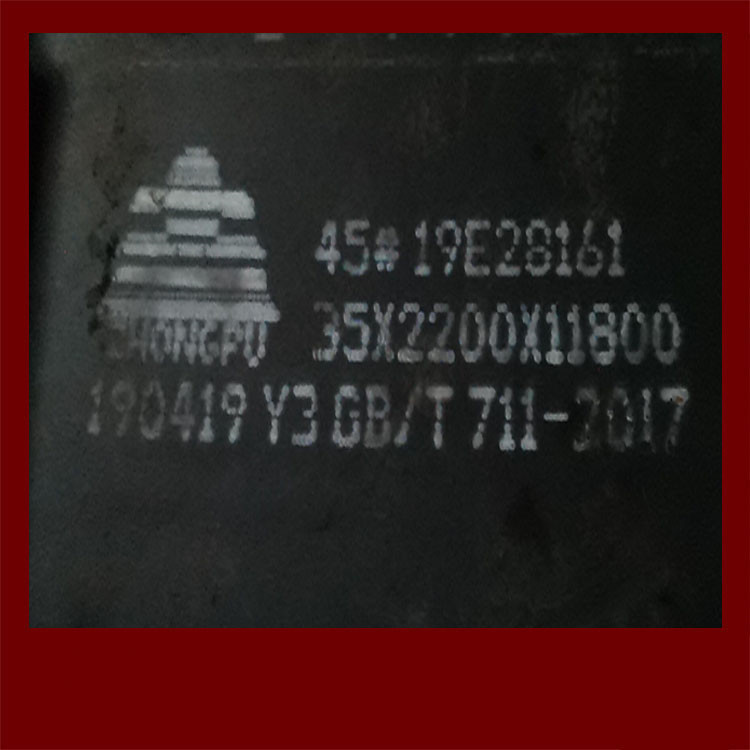
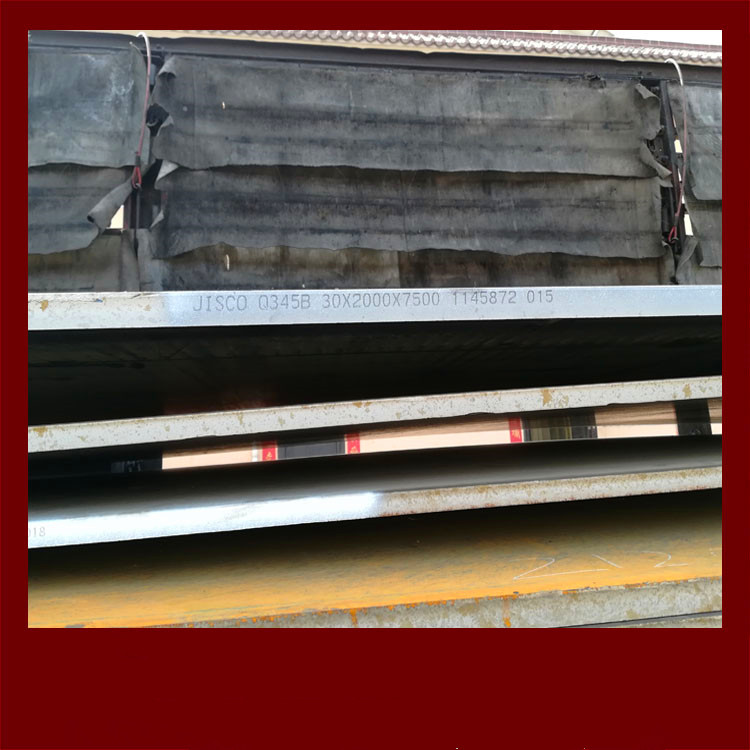
In order to meet the needs of large-scale infrastructure construction, China's demand for steel plates has increased sharply. In order to meet the needs of the new situation, China's steel plate production has also made great progress in recent years, and a number of advanced steel plate production backbone enterprises have been established. Steel plates are supplied in sheets or rolls. The specifications of a steel plate are expressed in millimeters as thickness * width * length. Familiarity with the specifications of sheet metal and strip steel, making full use of their width and length, is of great significance for improving material utilization, reducing inappropriate corner scraps, lowering labor hours and product costs. When selecting plates and strips, it is advisable to choose specifications that are multiples of the product blank. If it is a standardized product, when selecting plates or strips that are close to the fixed length, reasonable materials of fixed length or multiple length can be ordered, and the cutting method of nesting can be implemented to significantly improve the utilization rate of plates and strips. The repeated utilization of leftover materials between enterprises and industries is also an effective method proven by practice to improve material utilization and save materials.
Production process flow
Oversized slab storage → slab cutting → fixed length slab storage → slab feeding → slab entering the furnace → slab heating → slab exiting the furnace → slab rough descaling → rolling fine descaling → steel plate cooling (ADCO) → hot sectioning and cutting → steel plate straightening → cold bed air cooling → steel plate upper and lower surface inspection and grinding → steel plate edge cutting → steel plate cutting head and tail, fixed length, sampling → steel plate marking → finished product collection → finished product storage → flaw detection → storage.