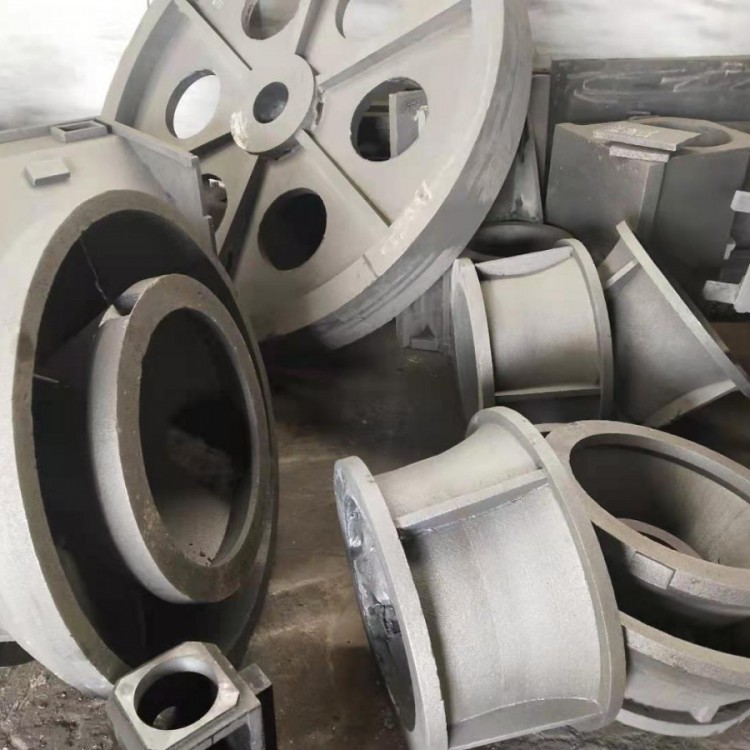
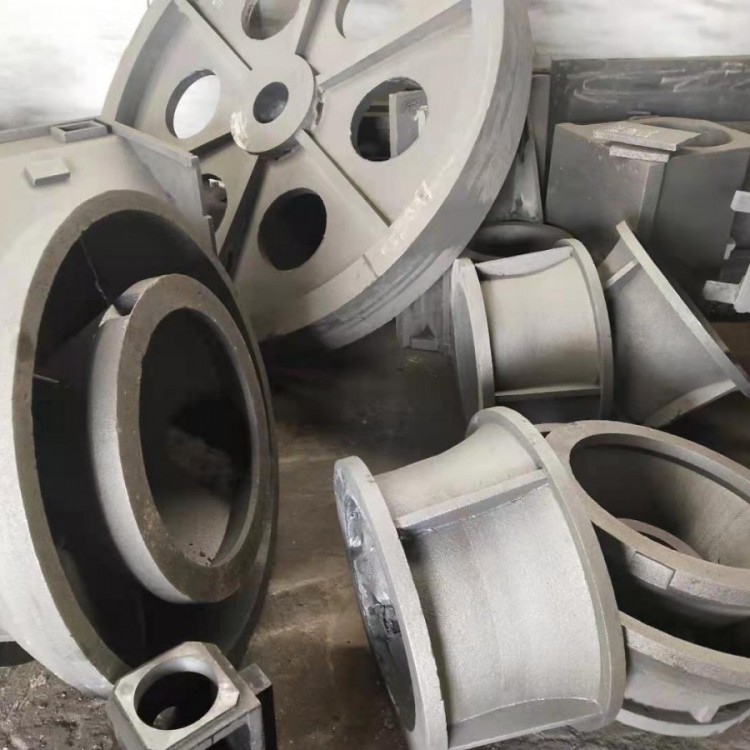








The basic characteristics of high-density molding sand for gray iron castings are high clay content, low moisture content, and low coal powder addition. Therefore, the following points should be taken into account when preparing sand.
① Clay content and mud content. The strength of sand with high clay content increases with the increase of specific pressure, usually controlled at 7% to 10% for bentonite. The sum of clay and dead clay in molding sand is equivalent to the mud content, which is generally controlled between 12% and 16%. Excessive or insufficient clay content can affect the various performance indicators of the molding sand.
② Moisture. The moisture content in the molding sand used in the production of lost foam castings is the main factor determining the plasticity and bonding strength of clay. When the moisture content is too high, it can easily cause the deterioration of clay adhesion, decrease the flowability of molding sand, and result in uneven mold density. When the moisture content is too low, the molding sand is difficult to mix evenly, the strength of the molding sand is low, the brittleness is high, the demolding performance is poor, and it is easy to cause sand sticking defects in castings. The general moisture content should be controlled to be 10% to 20% higher than the moisture content at which the peak wet compressive strength is obtained.
③ Original sand particle size. When molding with high density, the sand mold has a high density and expands greatly during pouring. Therefore, the original sand particle size should not be overly concentrated. The original sand particles are circular or polygonal, and generally three or four screen sand is selected.