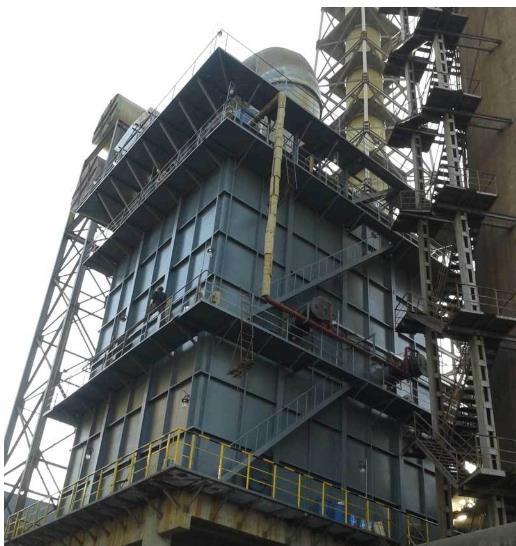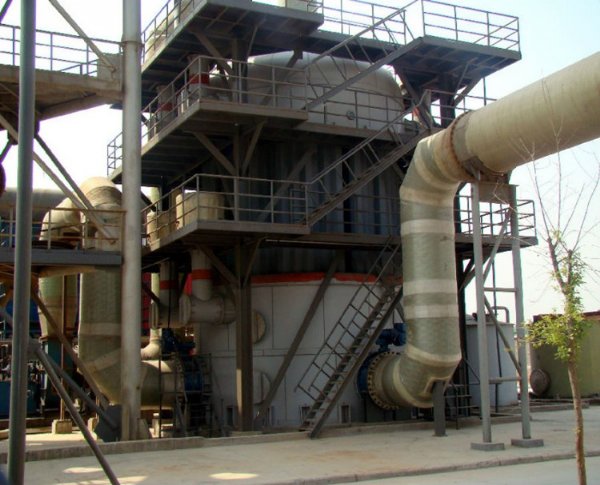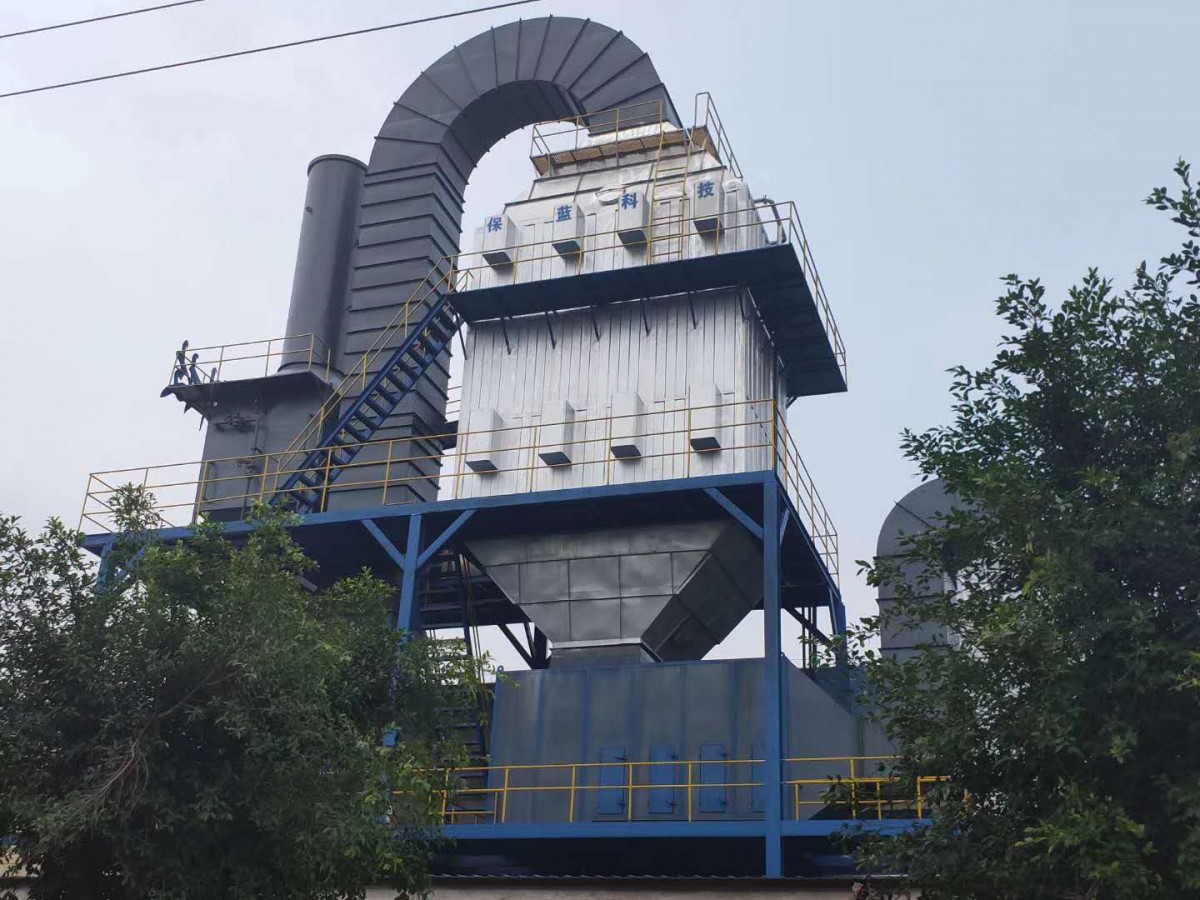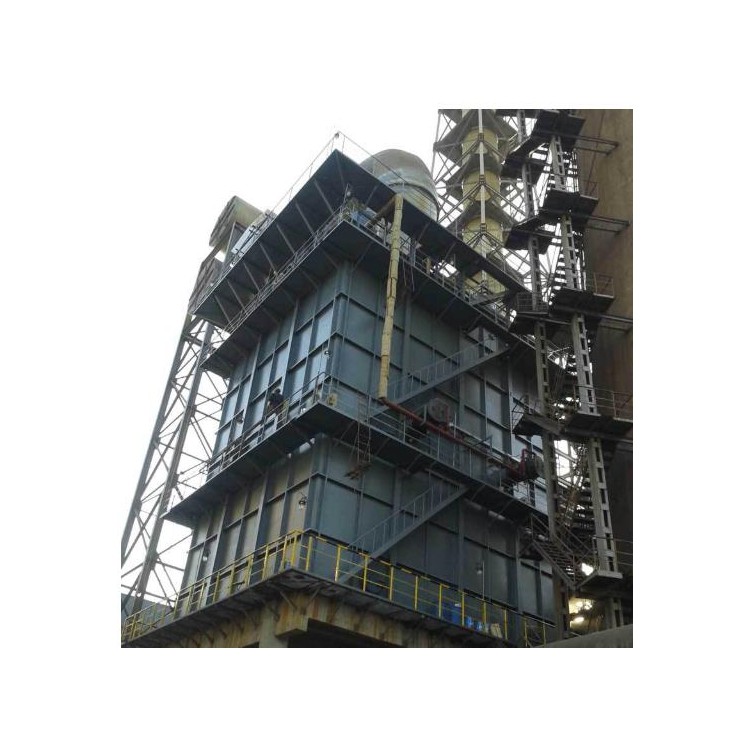


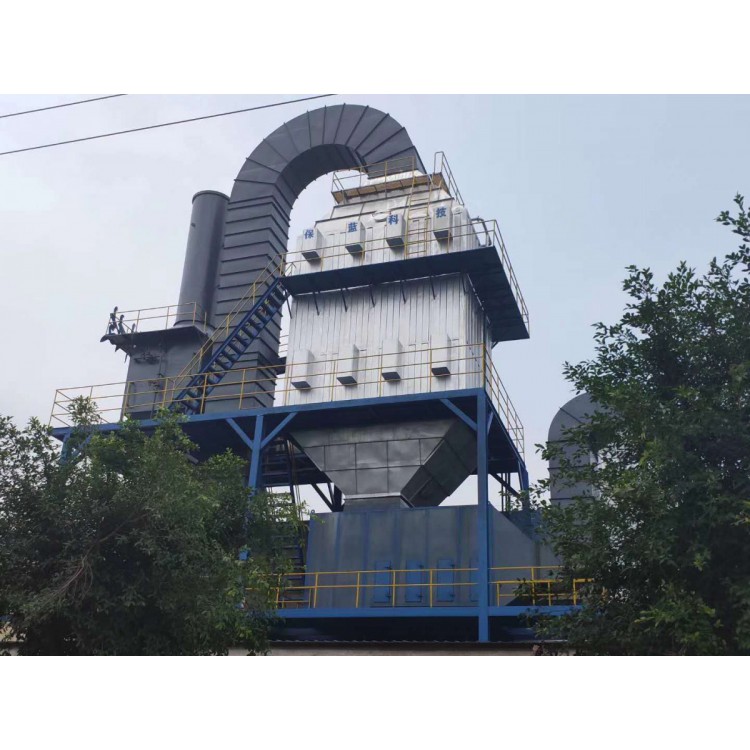















Principle and structure diagram of wet electrostatic precipitator manufacturer introduction:
At present, there are many structural forms of wet electrostatic precipitators, but they can be divided into vertical type and horizontal type from the structure, but continuous spray and intermittent spray can be divided from the water spray mode. The main feature of wet electrostatic precipitator is that the dust is collected at the dust electrode and discharged by water flow without the need for vibration equipment, thus eliminating secondary dust and achieving high dust removal efficiency. This is because there is a thin layer of water film on the surface of the electrode plate to prevent back corona, which reduces the influence of dust resistance.

Principle structure diagram and characteristics of wet electrostatic precipitator:
The design structure of wet electrostatic precipitator mainly consists of the main body, grey water circulation system, drainage system, control system, electrical system, etc. The front anode plate is continuously sprayed with circulating water, while the rear anode plate is continuously sprayed with comprehensive water; The front anode plate adopts grey water separation and neutralized circulating water spray to form a uniform water film and prevent corrosion of the electrode plate due to acid accumulation. The final anode plate adopts comprehensive water continuous spray to avoid the influence of salt and suspended solids in the circulating water on the dust content at the WESP outlet, further improving the dust removal efficiency. The cathode wire adopts a regular flushing method to avoid corrosion caused by long-term accumulation of acid solution. The washed wastewater enters the drainage tank and is pumped to the desulfurization absorption tower by the drainage pump.The wet electrostatic precipitator water system consists of a comprehensive water system, cathode line flushing water system, circulating water system, drainage system, alkali storage tank, and alkali addition system.
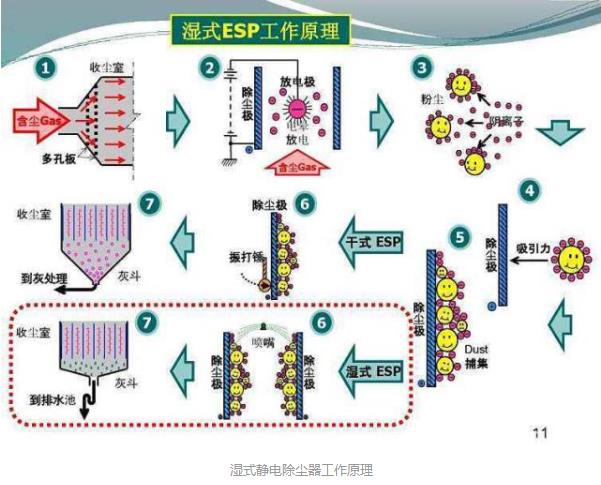
In order to fully utilize the characteristics of both dry and wet electrostatic precipitators, they can be mixed and connected in series within a single casing. The dust in the flue gas is first removed by 80-90% in a dry electrostatic precipitator, while the rest is removed in a wet electrostatic precipitator. In this way, the overall efficiency of the precipitator can be very high, and the discharge concentration can be lower than 0.05 grams per cubic meter. The volume and cost of the dust collector can be reduced, and most of the recovered dust is dry ash with less sludge and sewage. For more information on wet electrostatic precipitators, please follow our company website http://www.btshhb.com